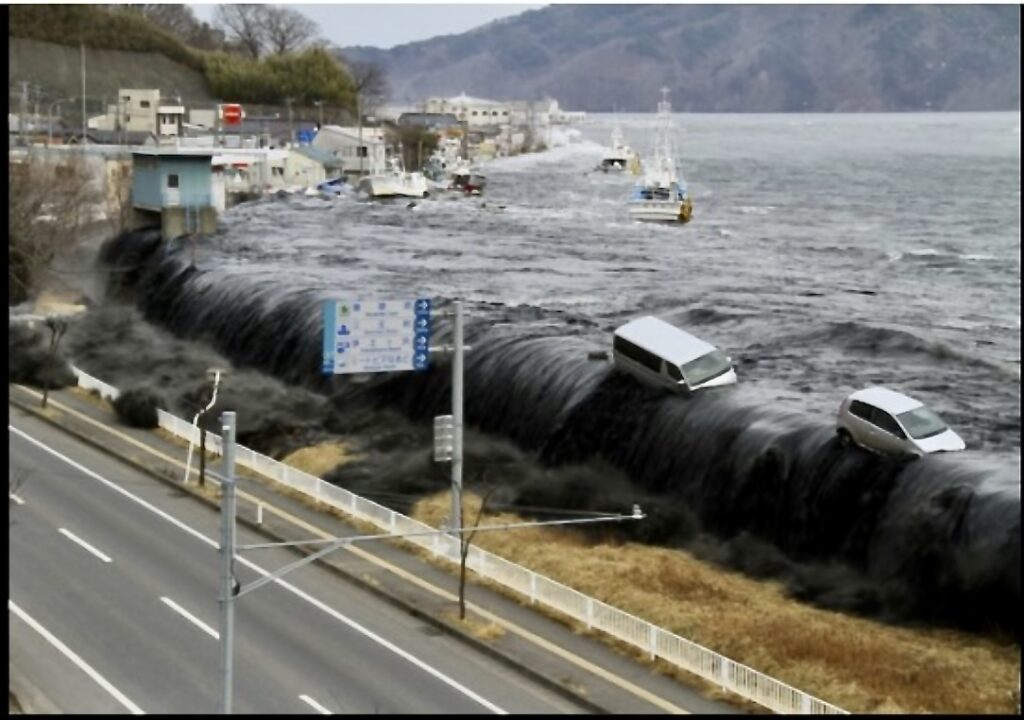
Miyako City and the nearby coastal towns were completely raved by the tsunami generated by the great earthquake in March of 2011. I have had a life-long infatuation with tsunamis. Consequently, I had to see first hand what I had only witnessed through watching hours upon hours of Youtube videos at that time. I encourage you after viewing this post to watch some of these for yourself. There are at least one-hundred or more. I hired a local tour guide to explain it all. He was a resident and was here on March 11, 2011 to witness the event.
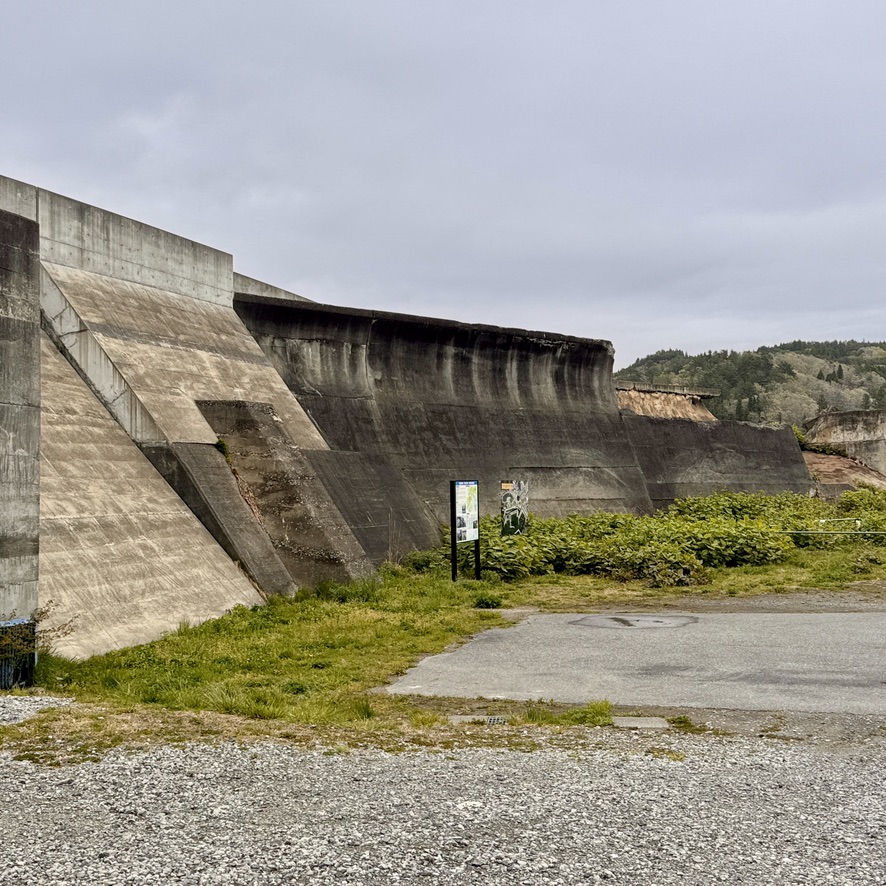
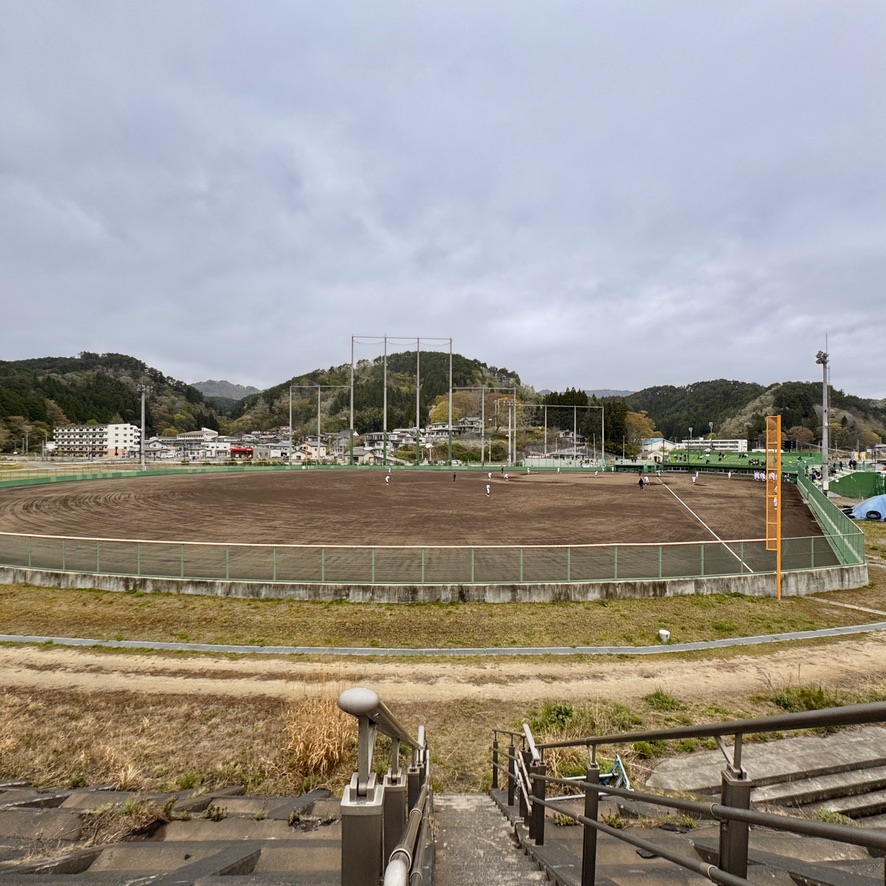
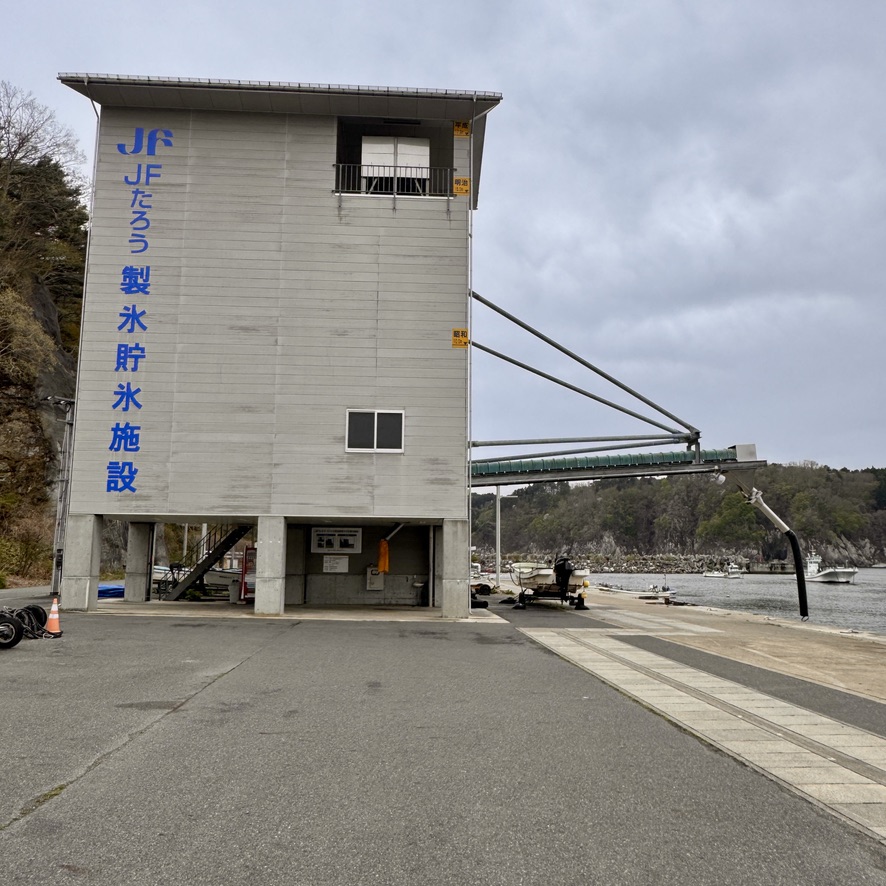
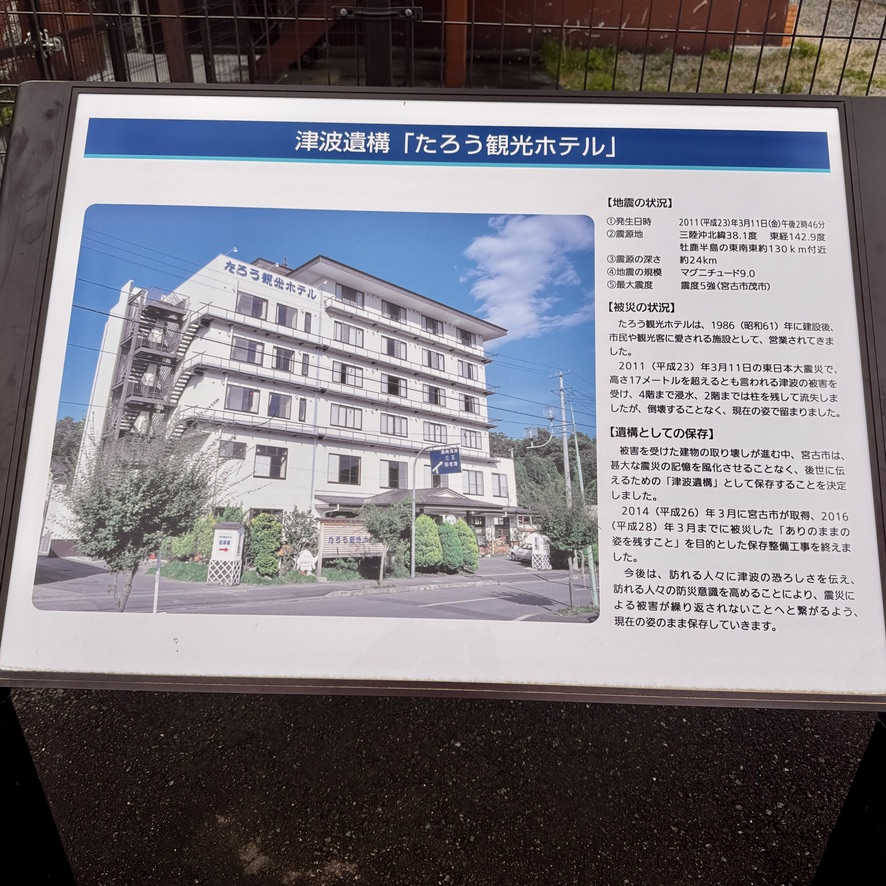
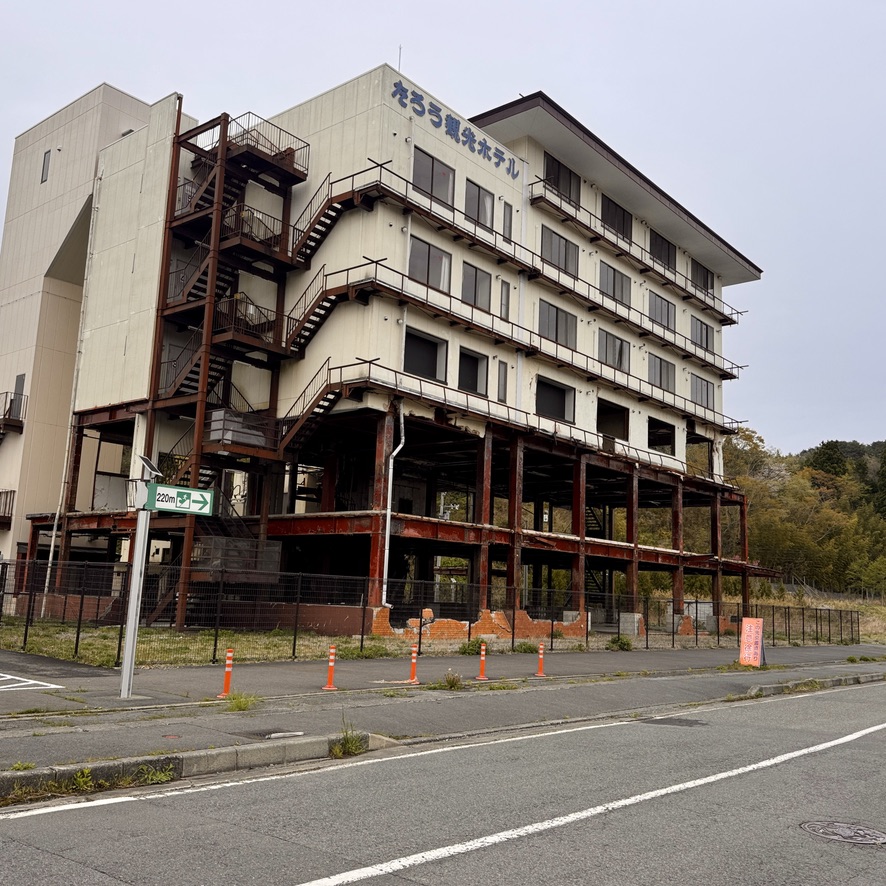
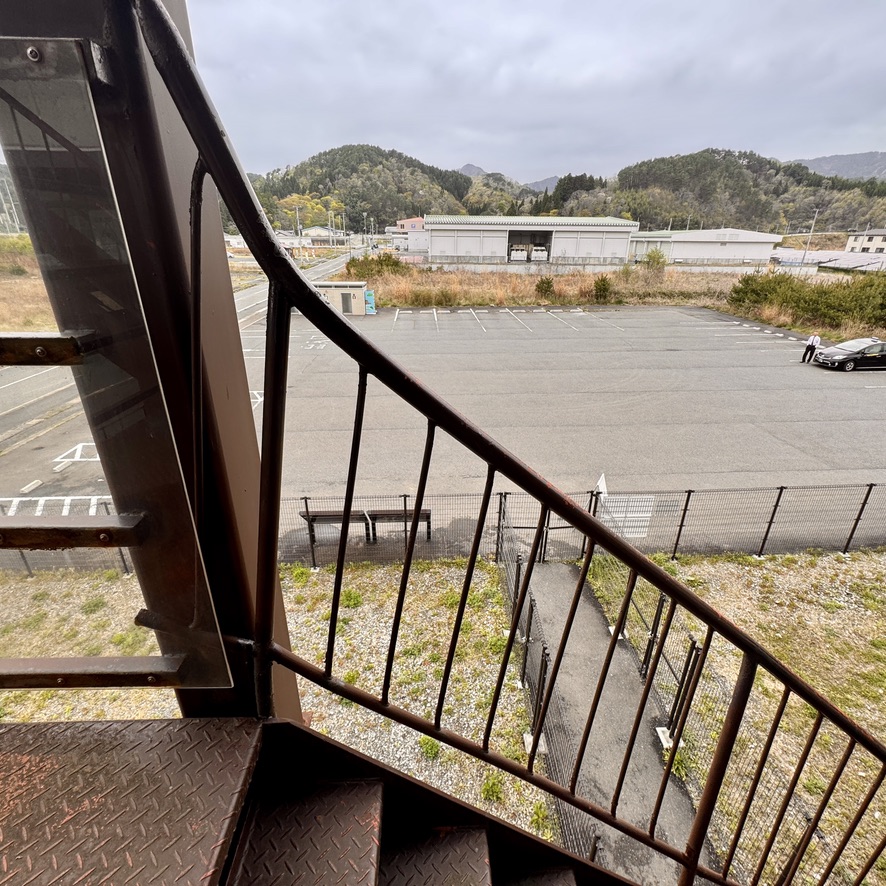
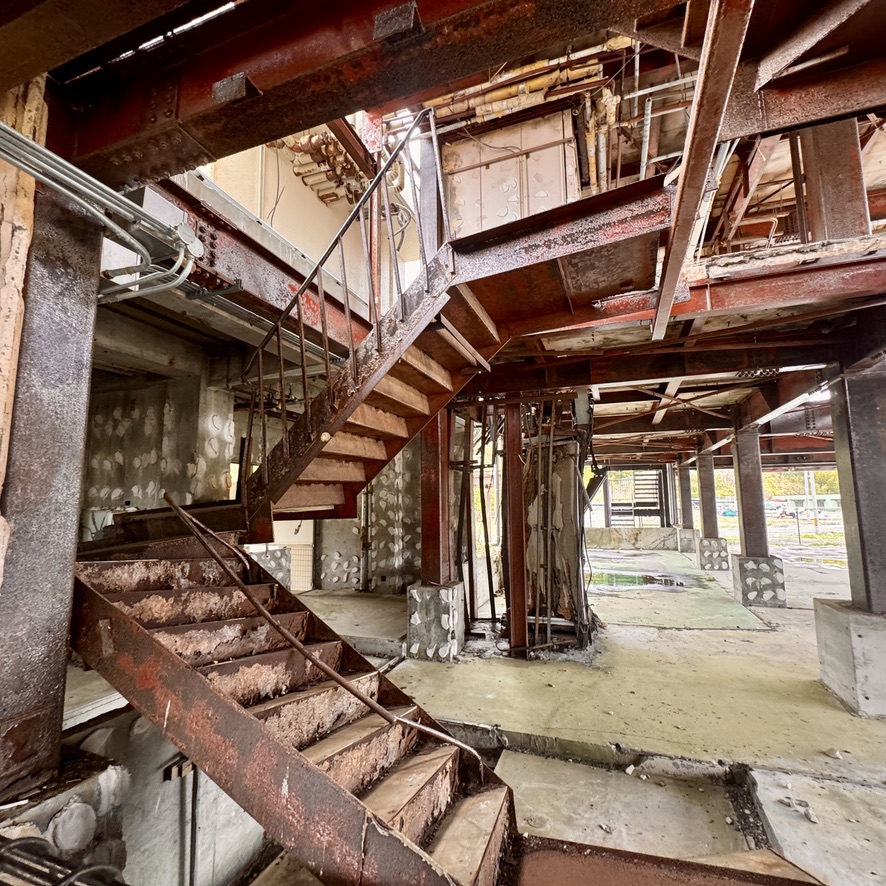
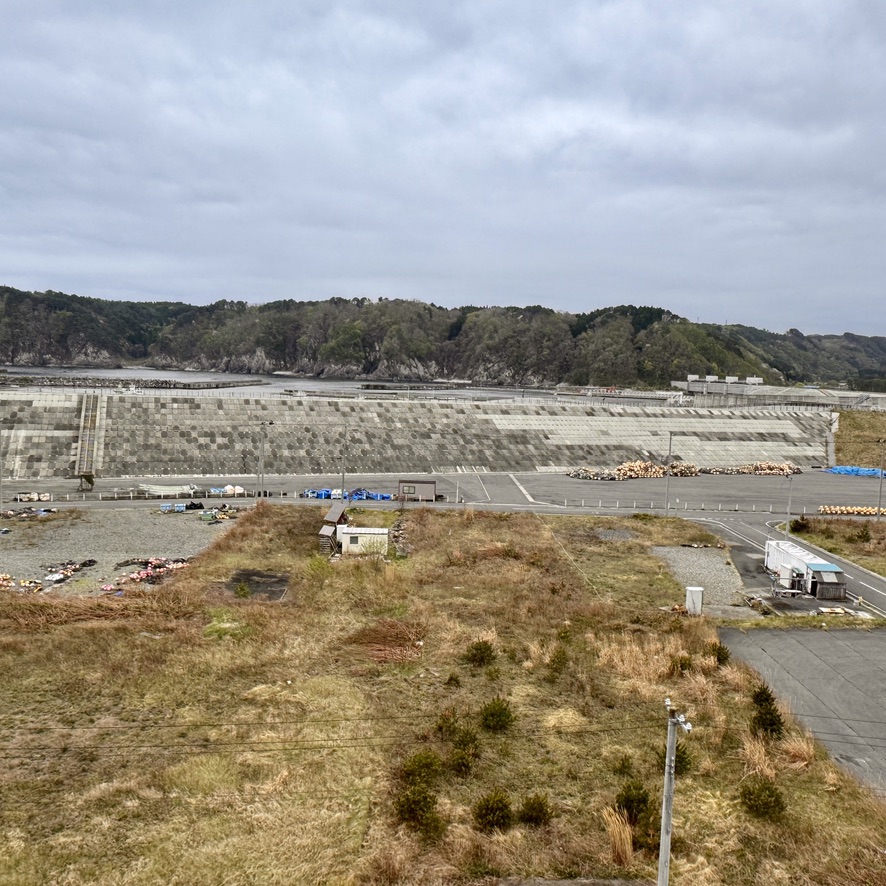
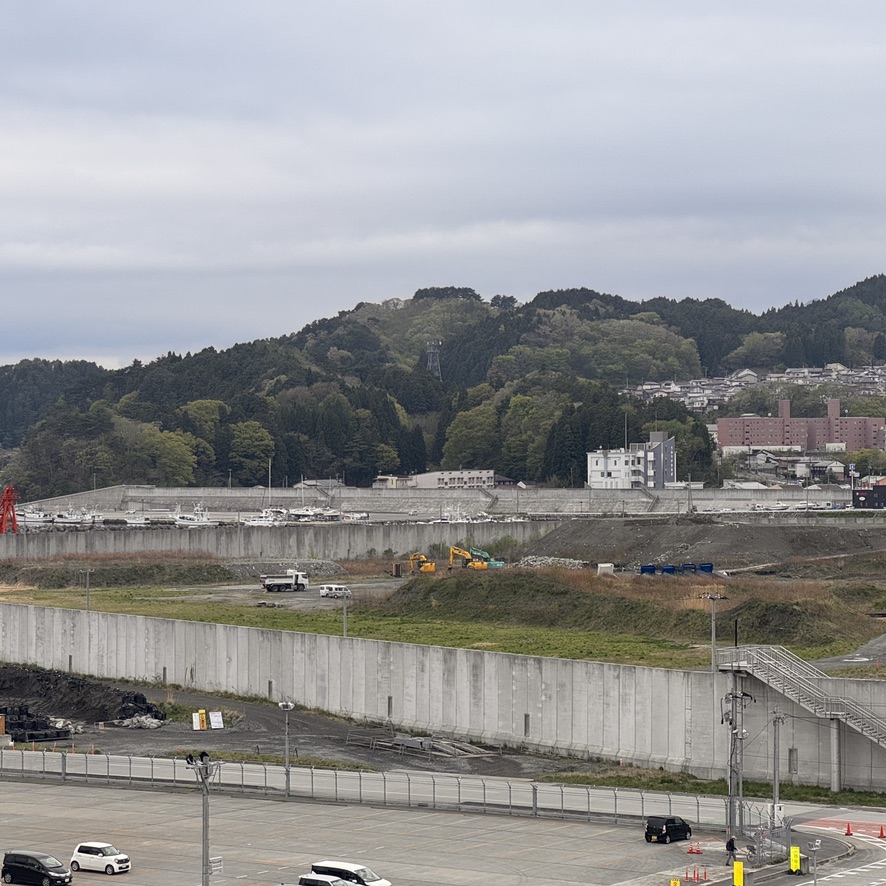
March 11, 2011 tsunami breaching the old seawall.. More than 200 people were killed or never found.Seawalls were constructed to protect the town. The darker walls are older and standing at 10 meters were the ones breached by the 2011 event. The newer walls are quite a bit higher. Whether they are high enough will be determined by the next inevitable tsunami.The area just inside the seawall is no longer filled with homes and neighborhoods, but rather a baseball field.The 2011 tsunami height was more than 16 meters (or 53-60 feet) at this point. If you zoom in on the building it is marked by the orange marker nearest the roofline. The tsunamis of 1896 was 15 meters and the one in 1933 was 10 meters. Their heights are also indicated by markers on the building.The popular hotel Taro Kanko as it existed before the 2011 tsunami.The hotel as it stands today is now a memorial to that fated event of 2011. As can be seen, the first two floors were completely washed out. The water eventually rose to the 6th floor, completely inundating the bottom 5 floors. The hotel’s owner filmed the event in a never released video from the top floor.Iron handrails were reshaped by the wave’s force. I wouldn’t have imagined that the water could bend steel in this way.Inside the hotel I captured this image of the washed-out first and second floors.The view from the top floor in the hotel where its owner recorded the event. The field below had been home to several hundred families, including my tour guide. After we left the hotel we walked across the field to where his house once stood. So sad. Today there are many more seawalls protecting this area which is so very prone to suffering another tsunami.
I’m headed north on the main island of Japan. Hope to have an entry from another interesting place.
Kyoto is different than Tokyo and other large Japanese cities in that it was spared from the bombings during WWII. Consequently, its buildings and neighborhoods are much older. While there is plenty here to do, I spent most of my time eating my way around this great city. With over 100 Michelin-starred restaurants, the culinary experiences offered in Kyoto are some of the best in the world. It is a very walkable city as well. Because my culinary endeavors consumed so much of my time here, I only had time for one bike tour. I selected one in the Gion district and it was a great way to visit the shrines, temples and some quiet neighborhoods there.
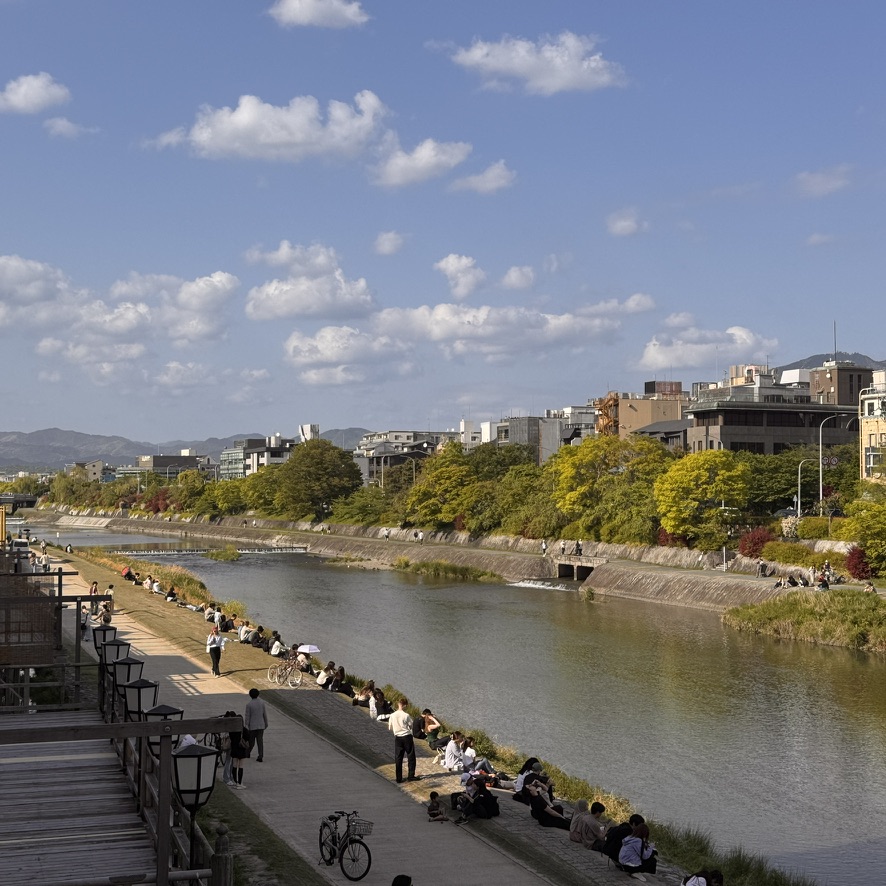
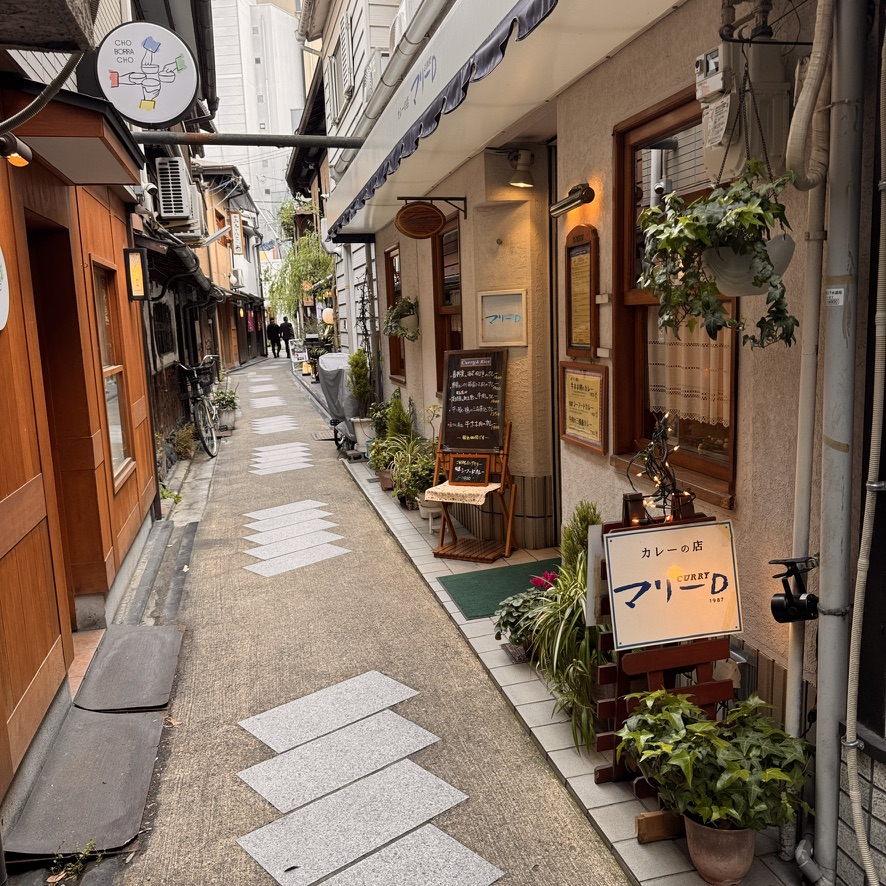
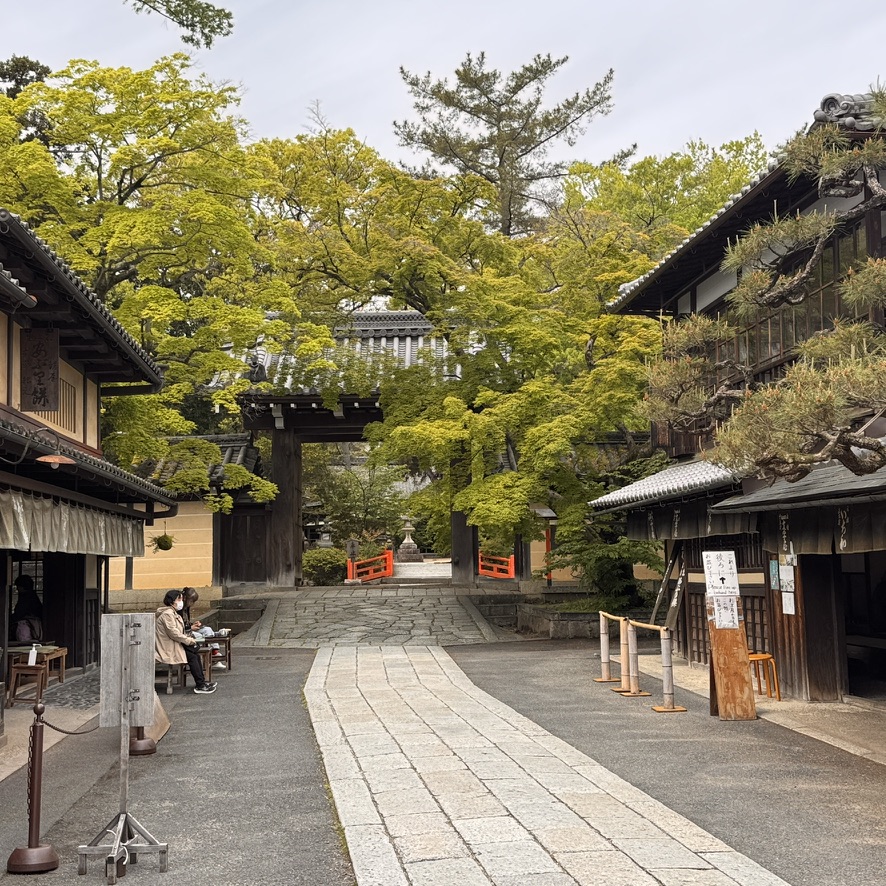
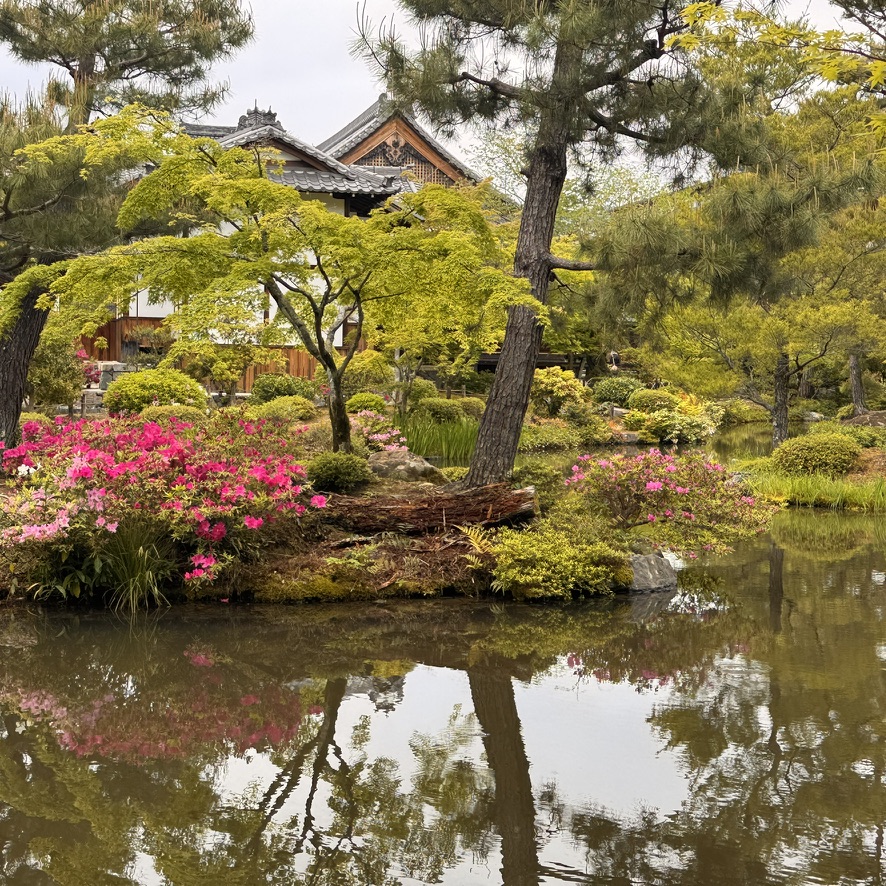
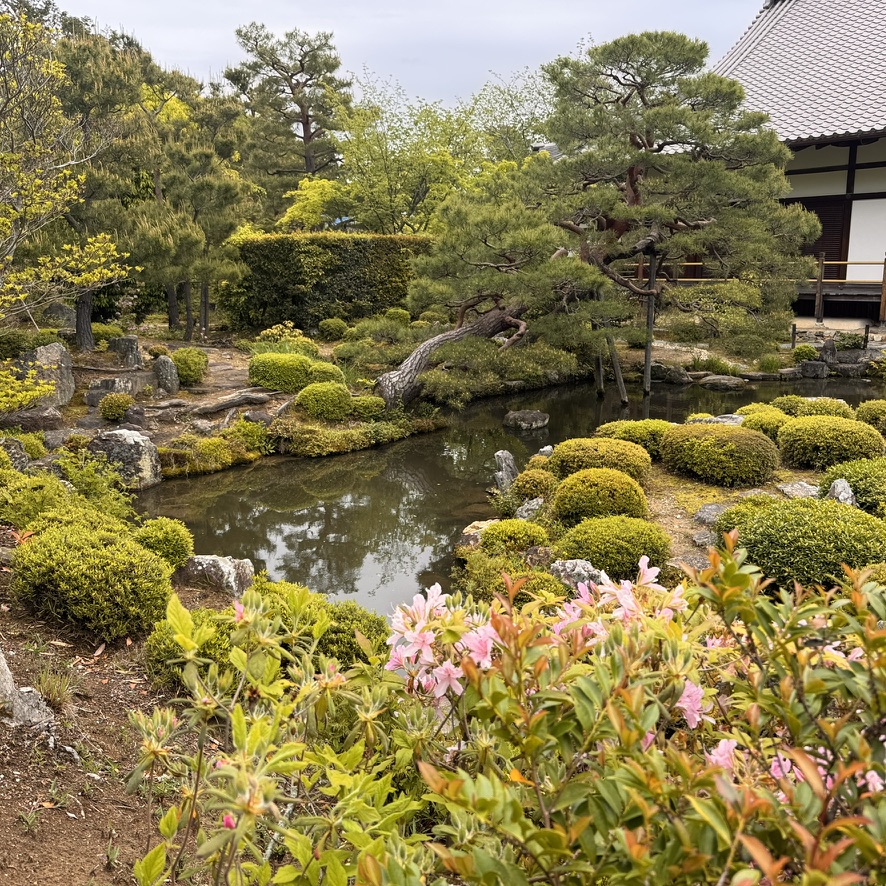
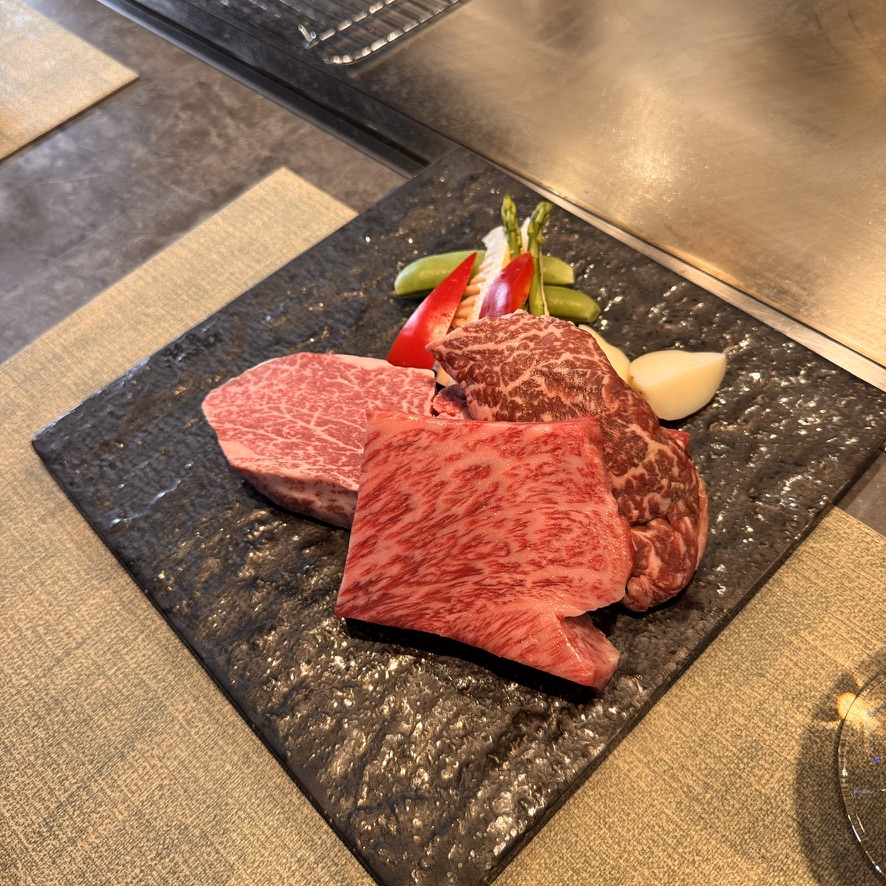
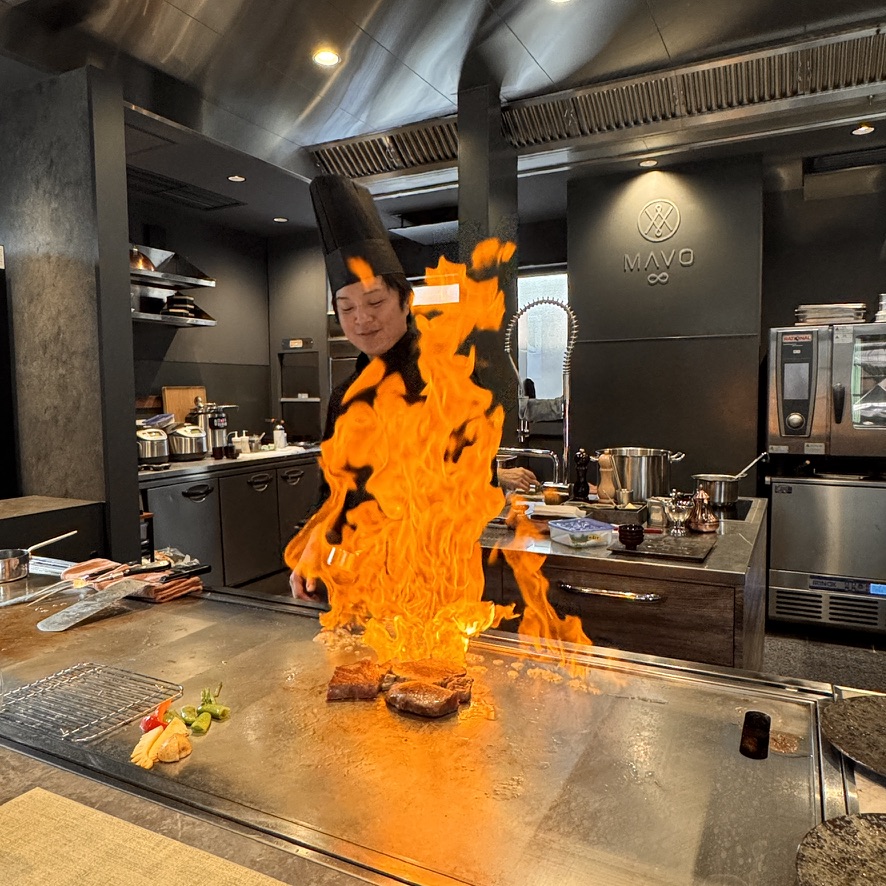
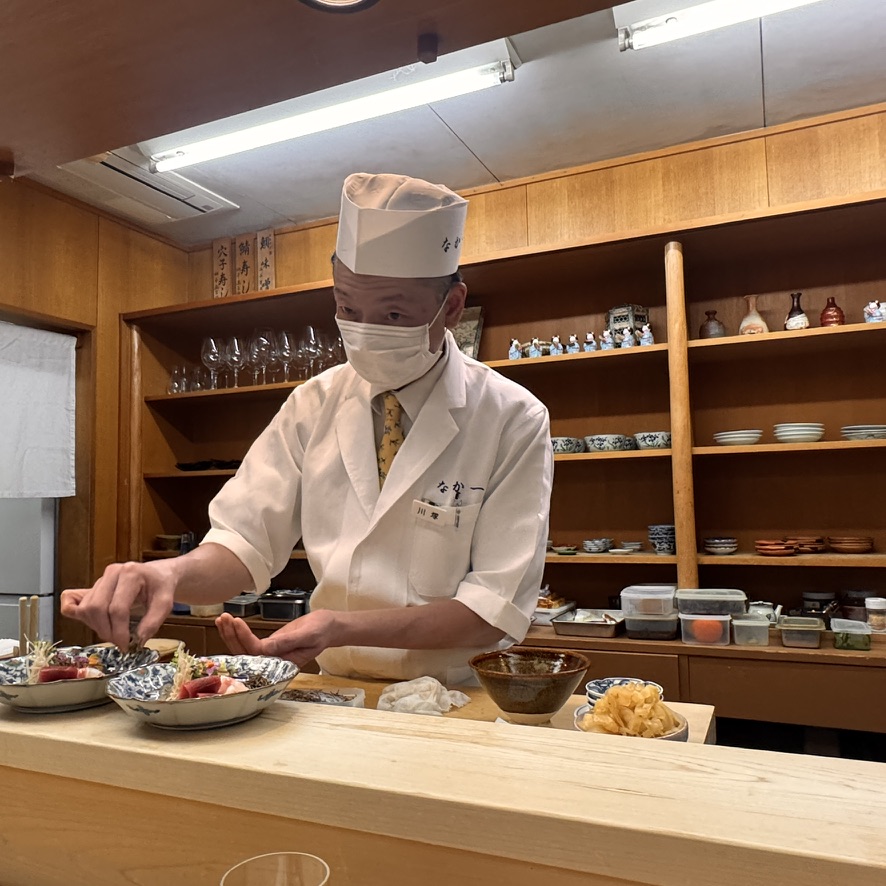
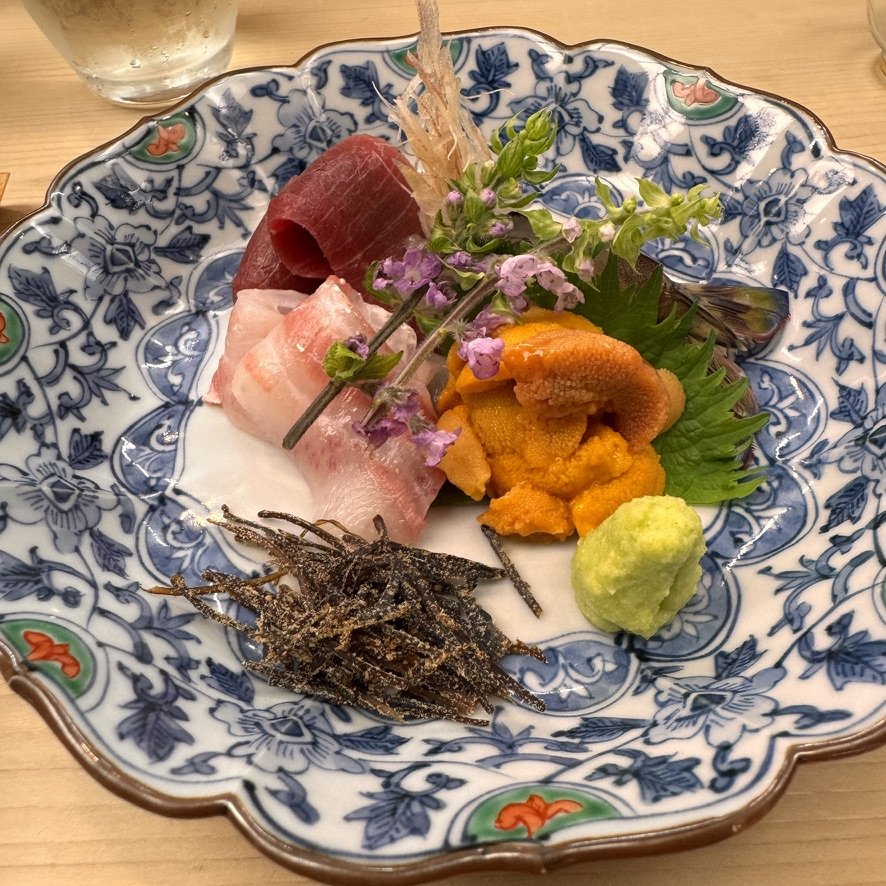
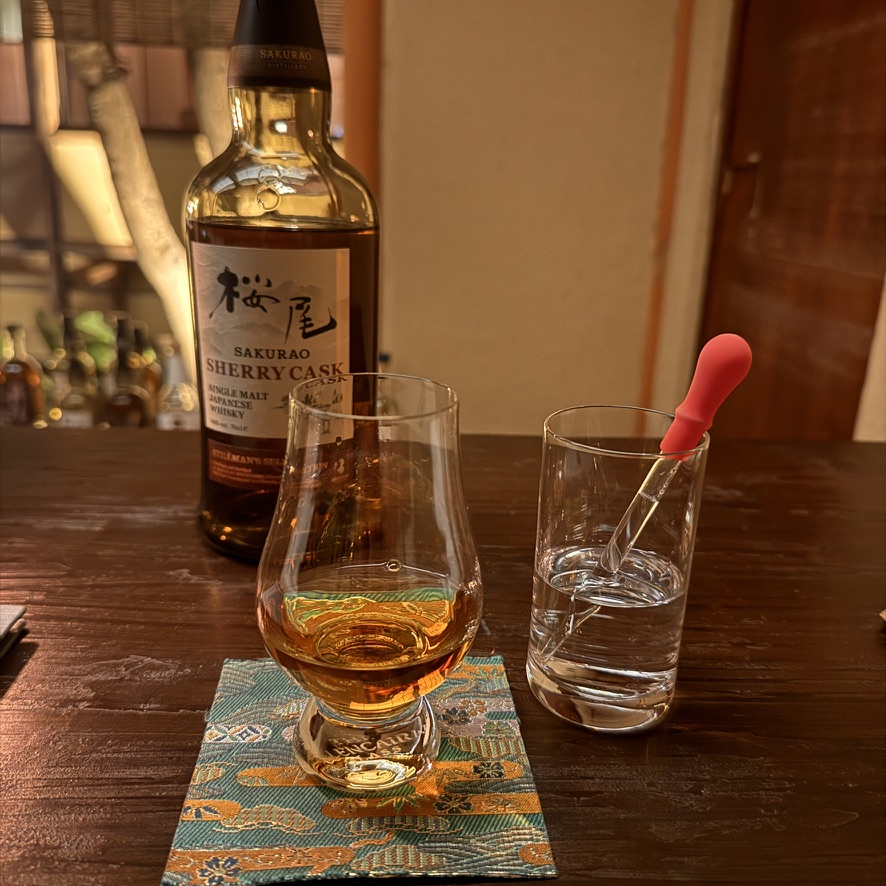
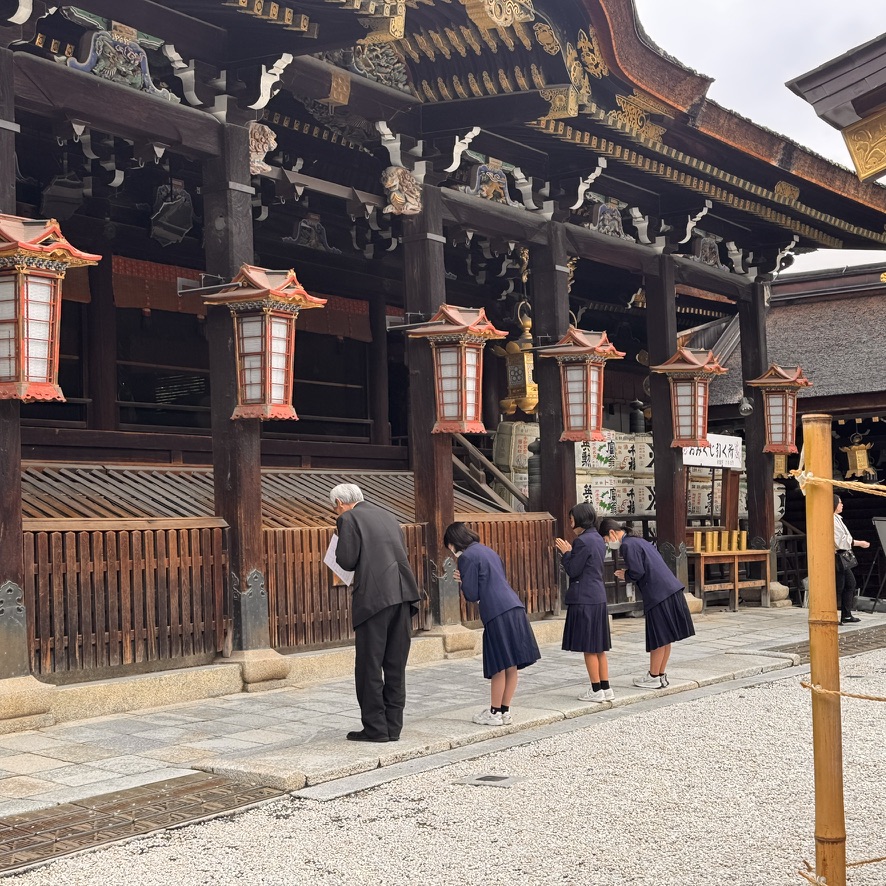
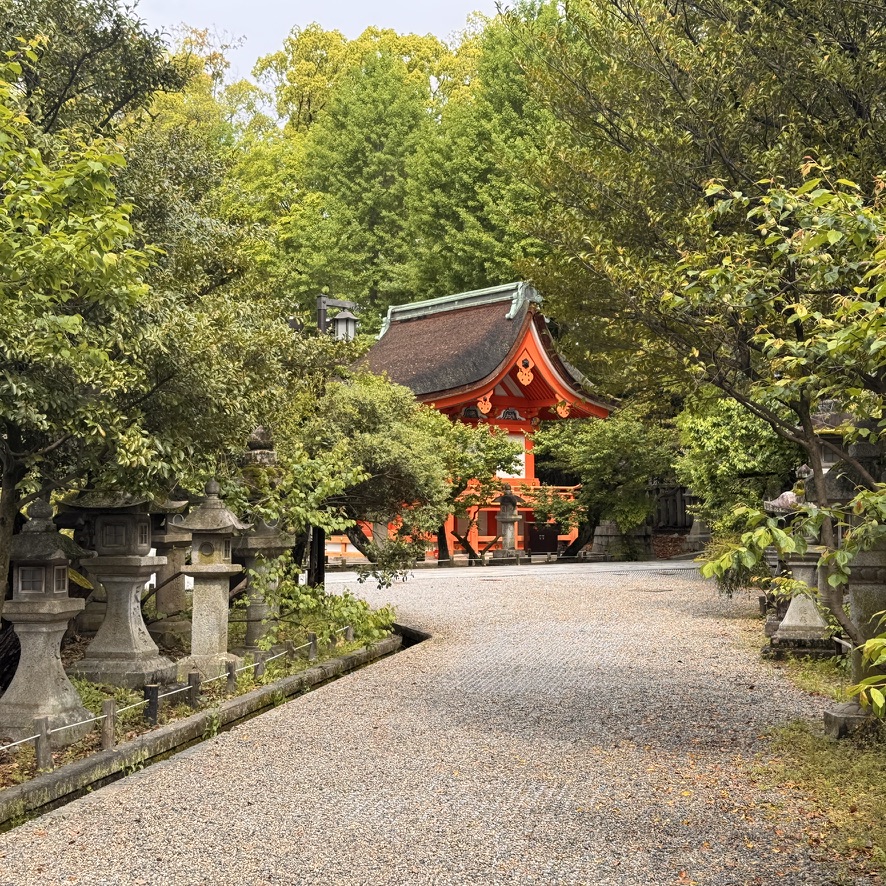
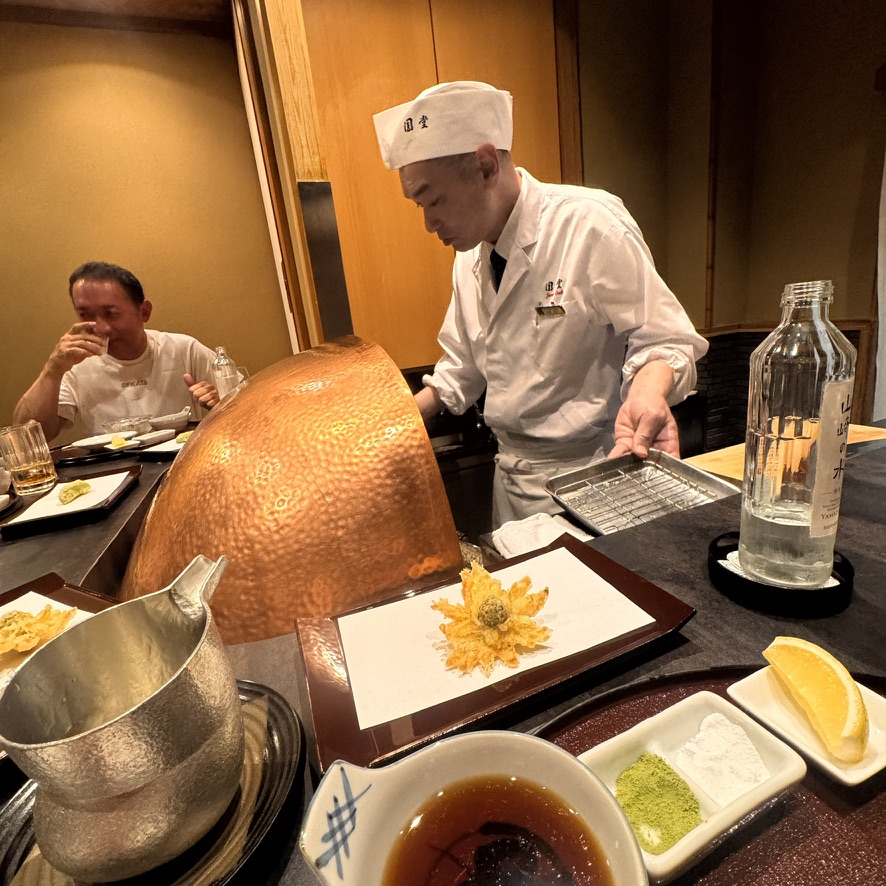
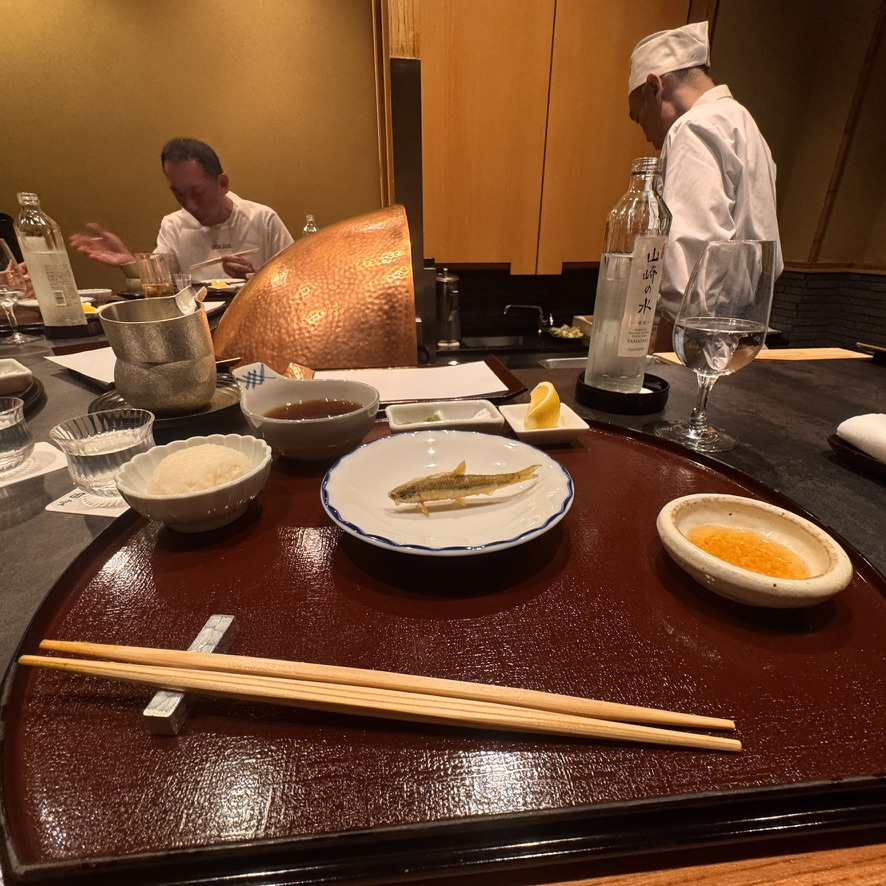
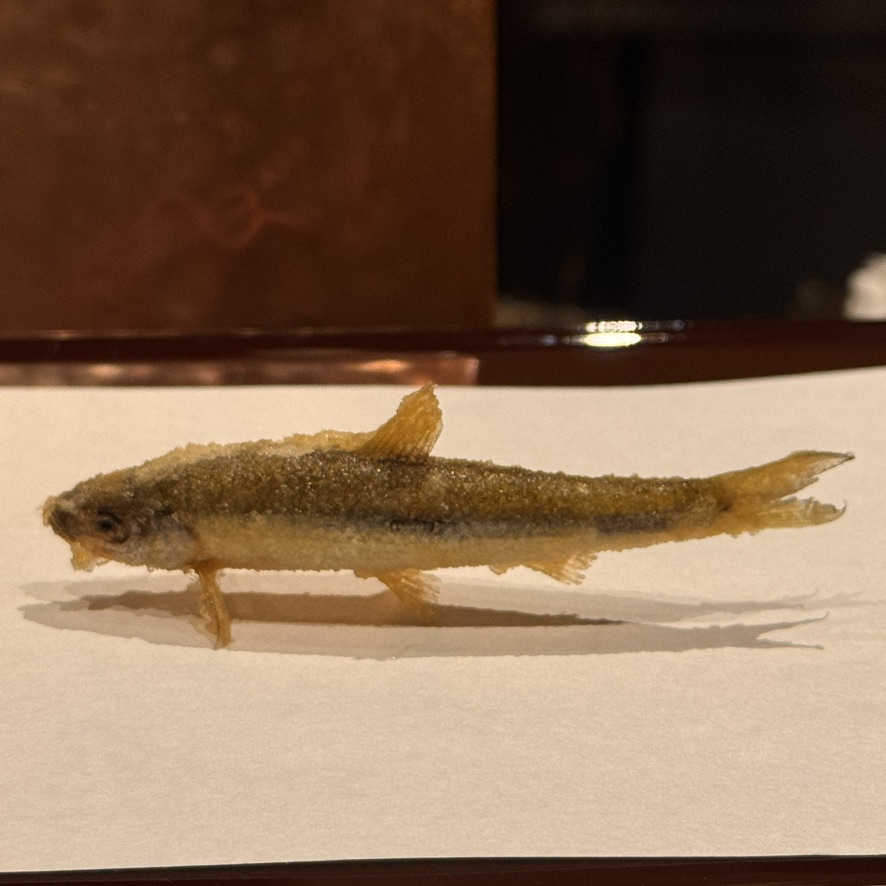
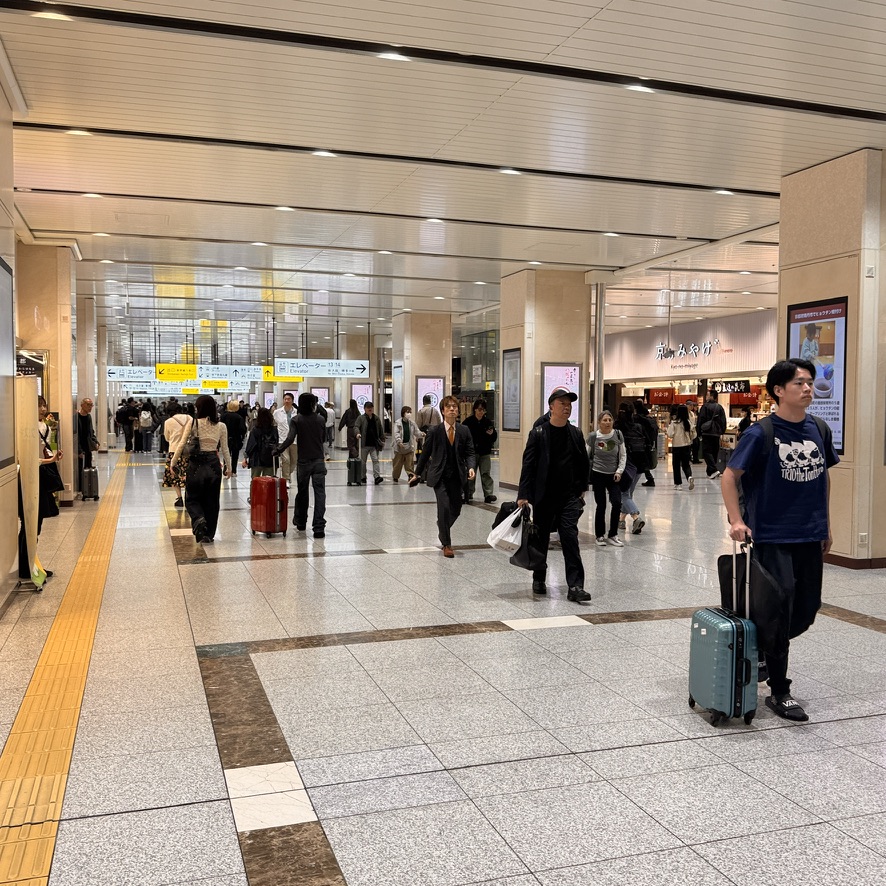
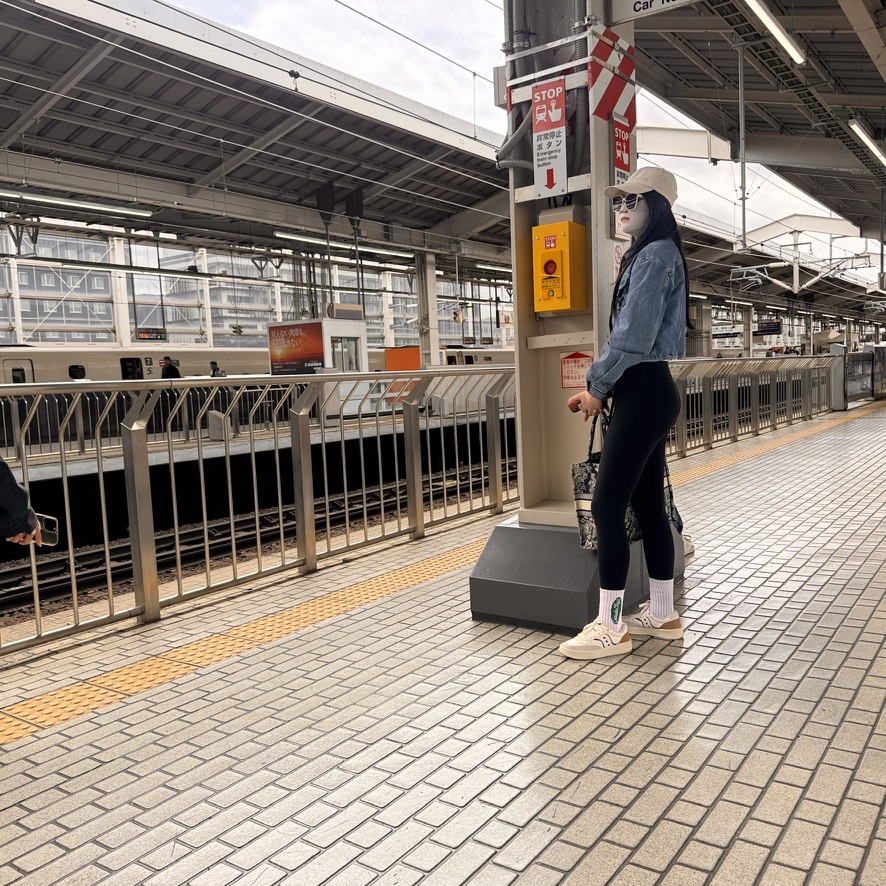
The river Kamo or Kamogawa runs through Kyoto.Small shopping districts abound, as well as cozy alleyways with small eateries.On the bike tour we stopped at the oldest tea house in Japan. It is here in Kyoto’s Gion district.Zen gardens are a large part of this shrine’s appeal. The shrine is known as Kennin-ji and is located in the quiet area in Gion.Another image of the beautiful gardens.I couldn’t pass up the opportunity for a late Wagyu lunch. These were the cuts of the day’s offerings. The darker cut is a Kobe sirloin. The other two are Wagyu, one filet and the other, a sirloin. They are all so well marbled.And the chef puts on quite a show as well. Since you sit at the bar just a few feet away, the flash of heat could definitely be felt. Cooked medium-rare this beef was amazing.Later that night I dined at Sushi Kappa Nakaichi, an omakaze where the chef was all business. Each piece was a carefully crafted work of art. What an artist. This was but one of the many creations that night. And the perfect way to cap-off a great day of dining experiences was to indulge in a fine Japanese single malt whiskey. The bartender at the Sowaka Hotel’s bar was great. I described what I preferred in a single malt scotch, and he accommodated me with a Japanese whiskey with similar characteristics.As a demonstration of respect, ritual bowing is always seen. One of the temples seen on the bike tour.Different day and a different dinner. I chose Tempura Endo Yasaka Honten. It is a renowned, century-old tempura restaurant in the Gion district of Kyoto. I always choose omakaze since it’s hard to identify many of the options being offered. This way the chef chooses only the best. The tempura was a thin glaze, rather than a breading. It was translucent so although you tasted it, the tempura never overpowered the food. The chef instructed which dip was for each different bite he made for you.Extreme close-up demonstrating just how light and delicate the tempura glaze was.Kyoto station is clean, bright, and offers one last shopping experience before you leave Kyoto. The bullet back to Tokyo. The 230 mile trip took just over 2 hours. That included 3 or 4 brief stops. These trains are truly awesome.I noticed this mysterious woman on the platform for the train bound for Tokyo. I wasn’t sure what was going on here. Until this point the only masks I saw in Japan were of the N-95 variety. She was definately stying, and that mask is for sure a custom fit. Zoom in and take a look.
That’s it from Kyoto. Now I am on my way back to Tokyo and then I have a few days to visit a couple of small towns in northern Japan. I’m not sure exactly which ones they will be. See you there when I figure it out.