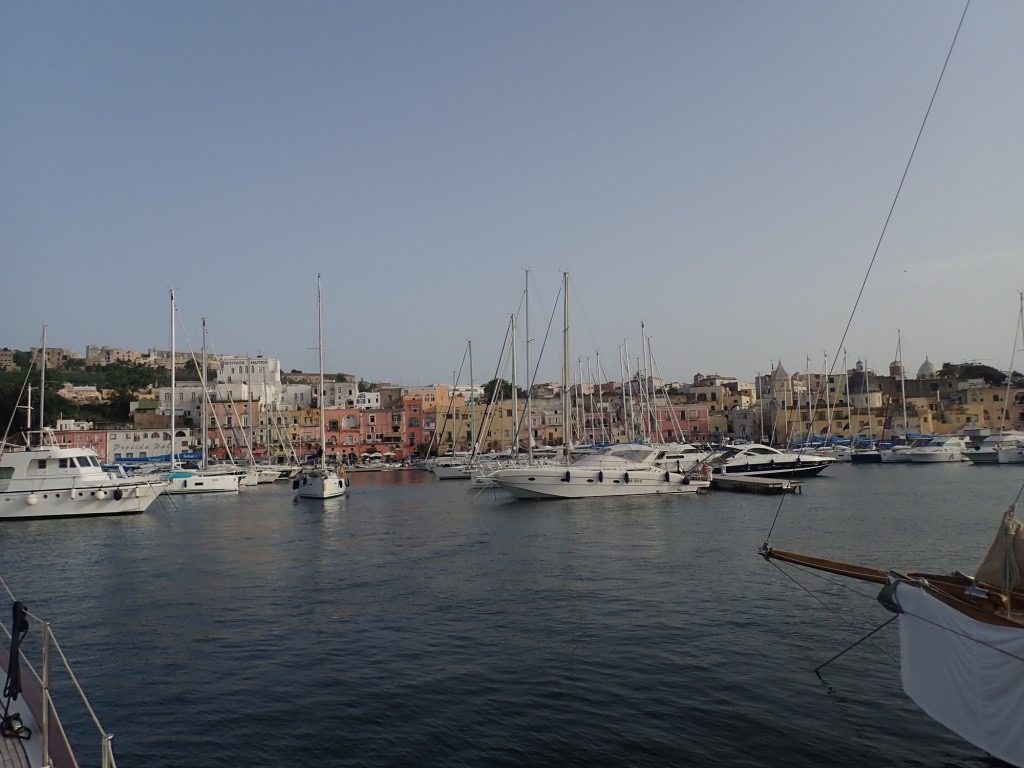
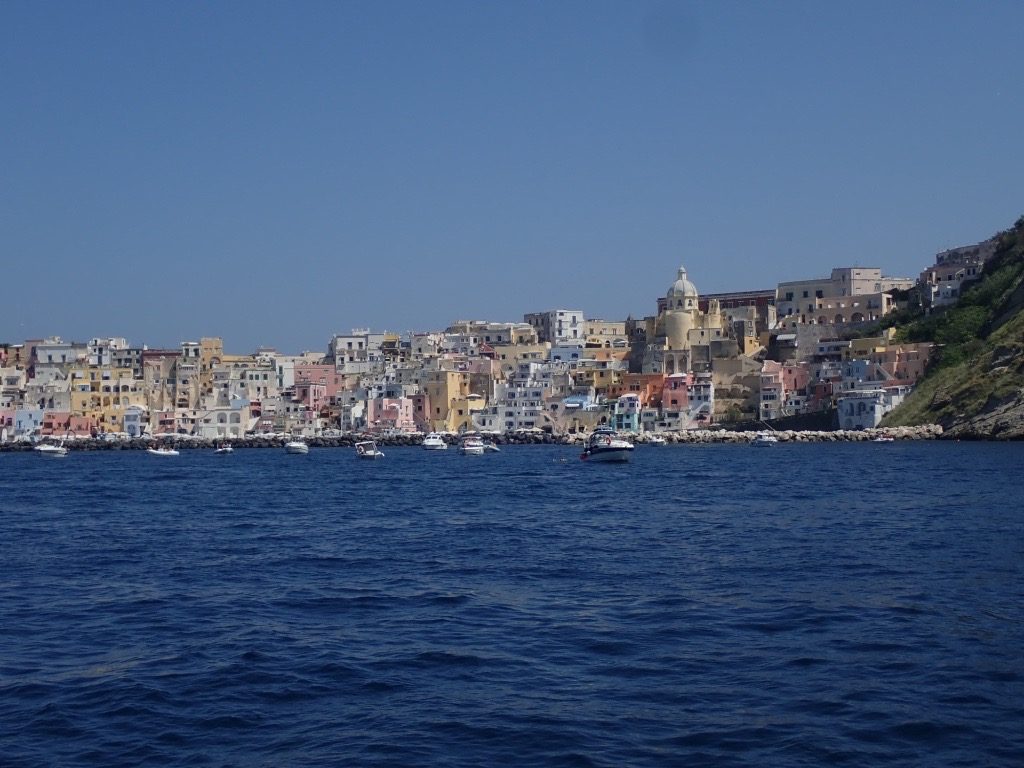
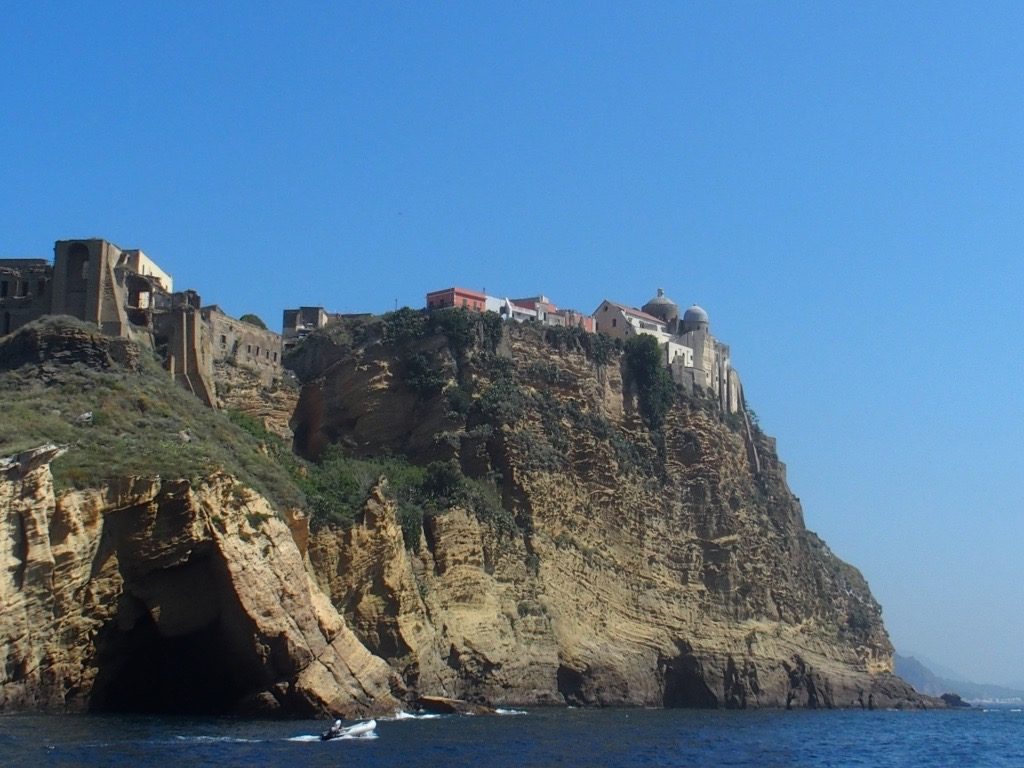
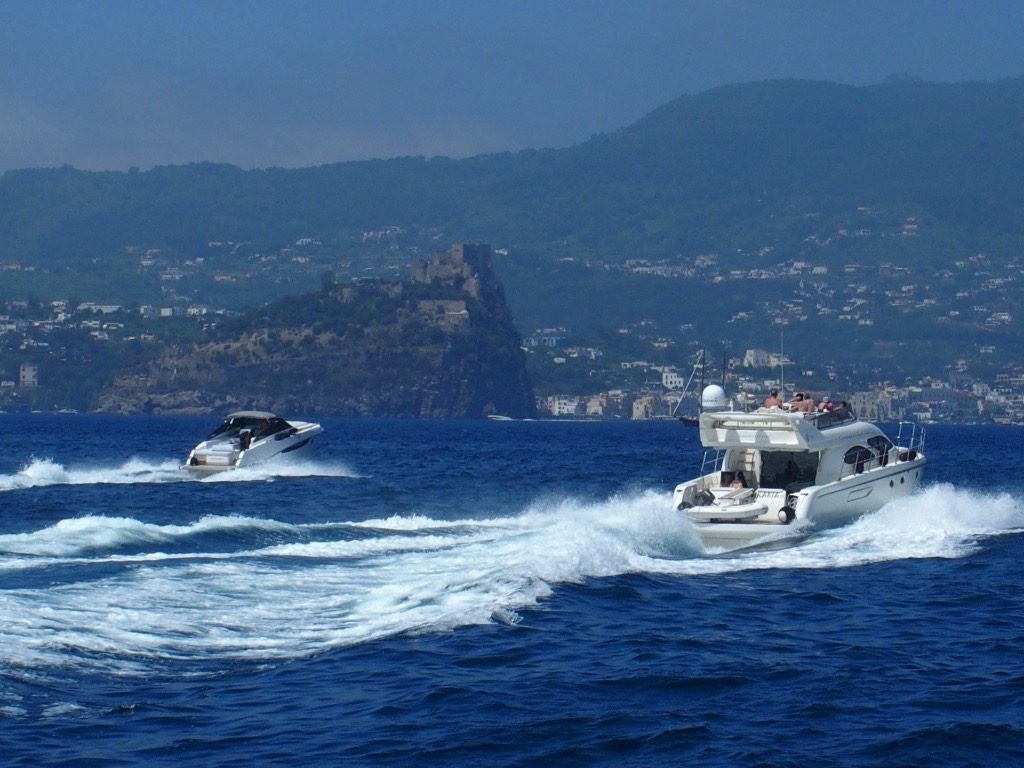
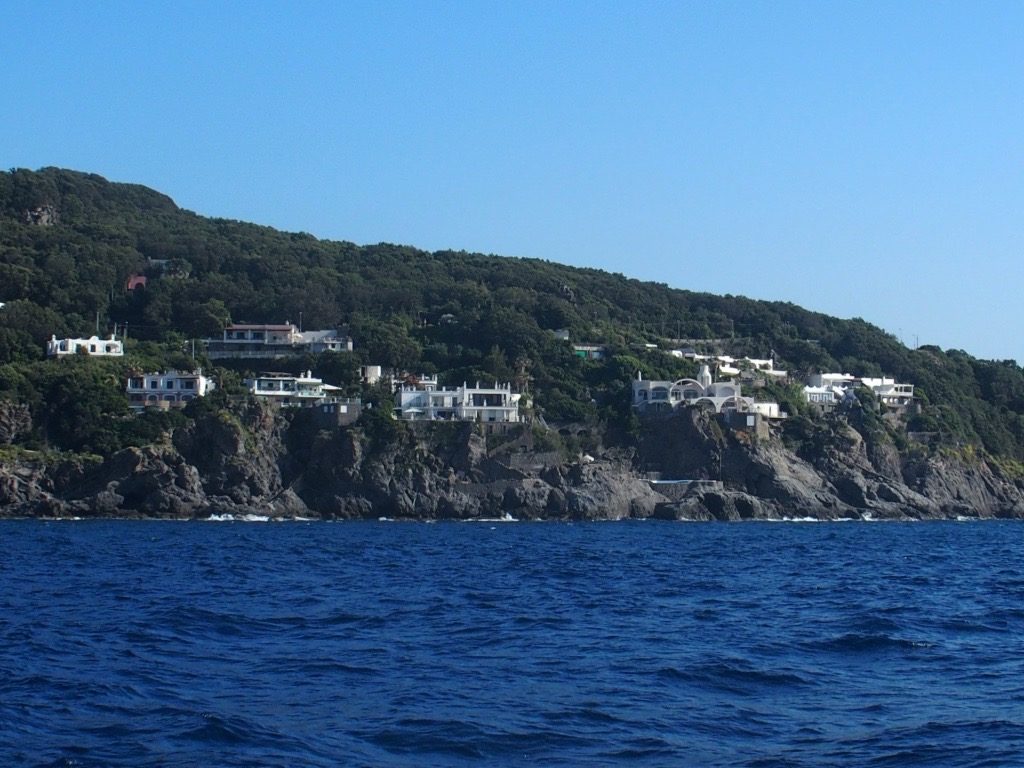
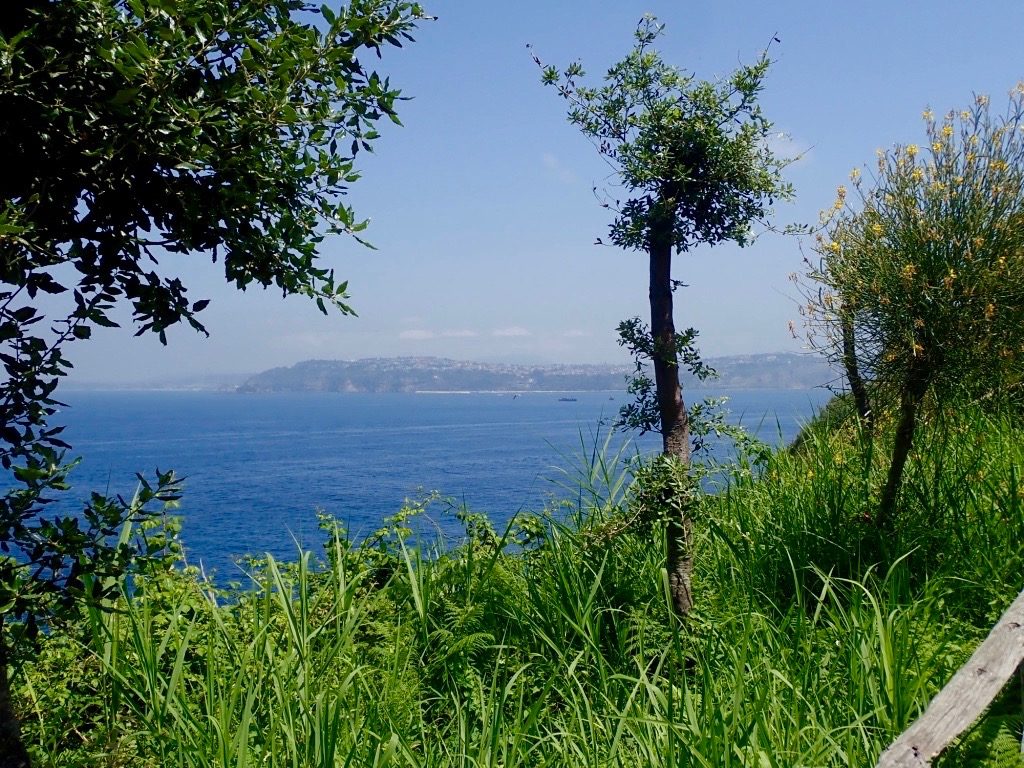
This fairly idyllic island was the next destination on our itinerary. This is a tiny island both in size (381 acres), and population (751 people in 2017). We sailed into our slip and tied up in the afternoon and spent a leisurely evening here just walking, dining, and shopping for local foods for our following day’s sail on the boat. This island most definitely felt like the scene from a time long past. The island probably hasn’t changed much since the days when electricity was first introduced.
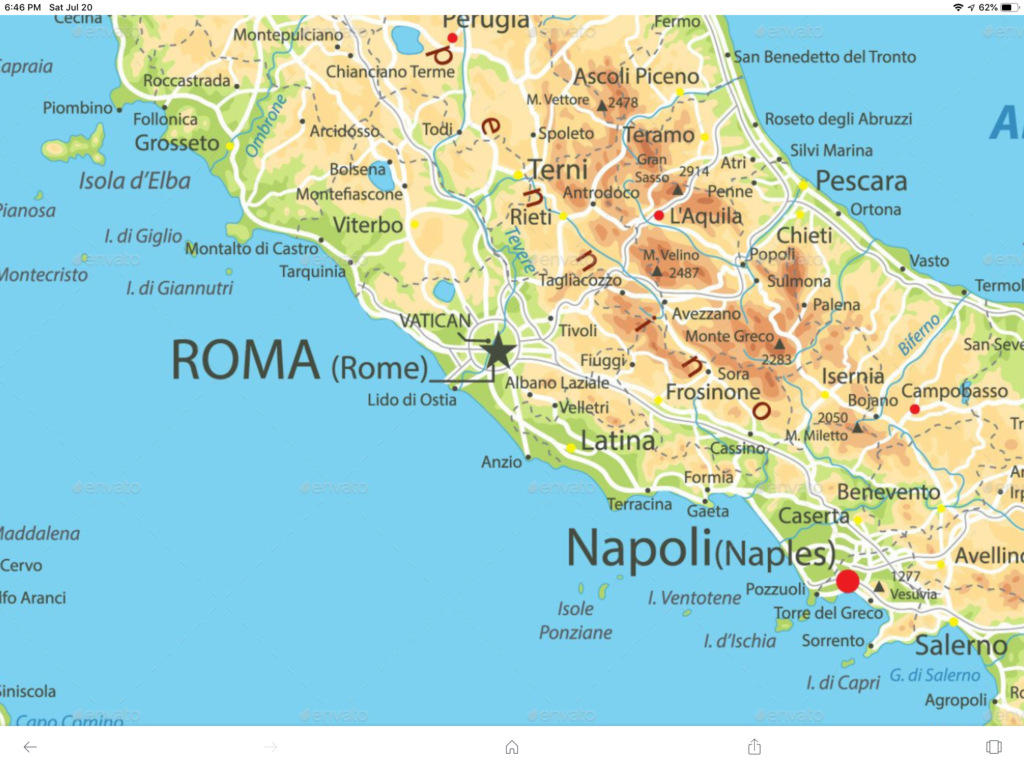
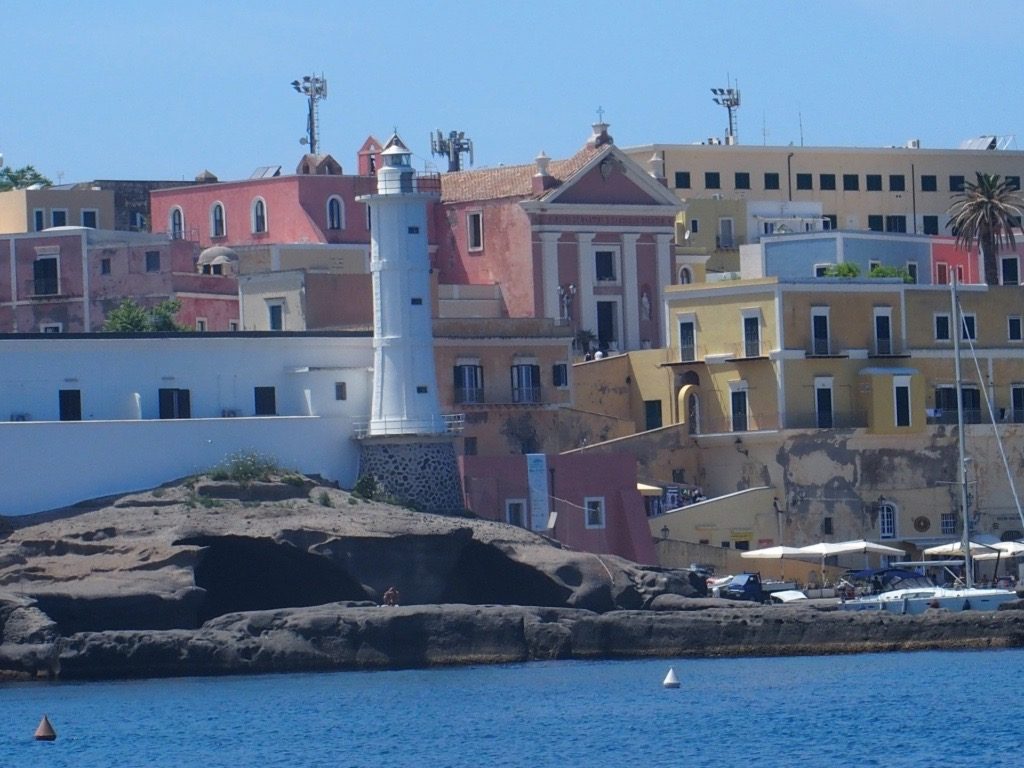
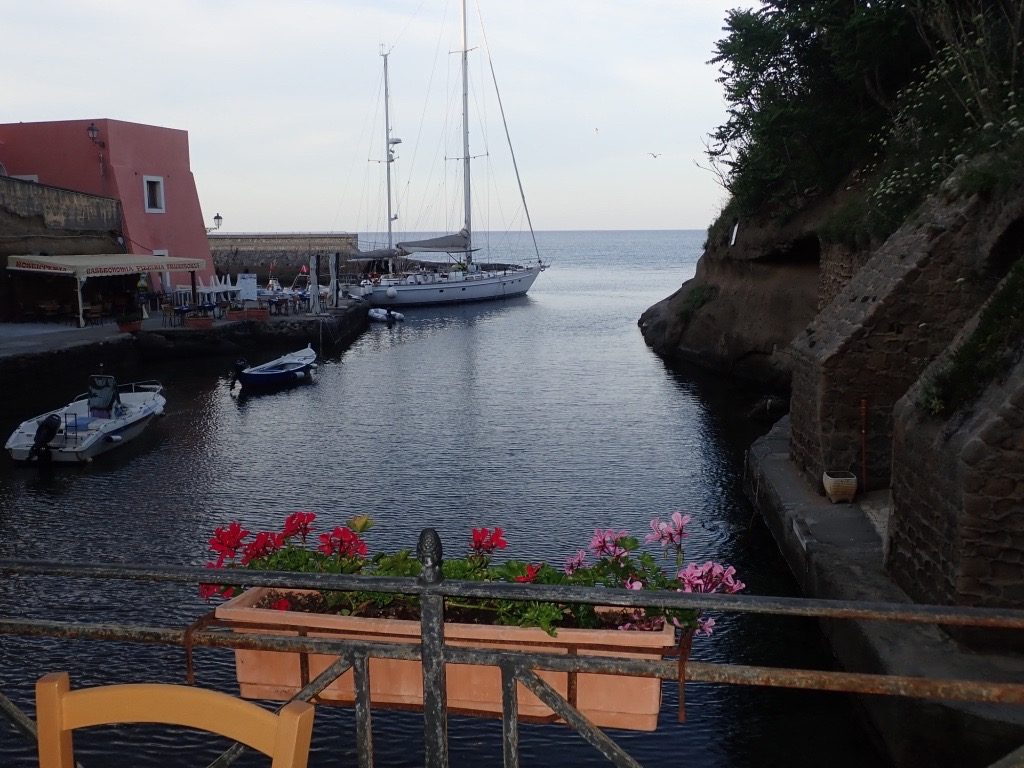
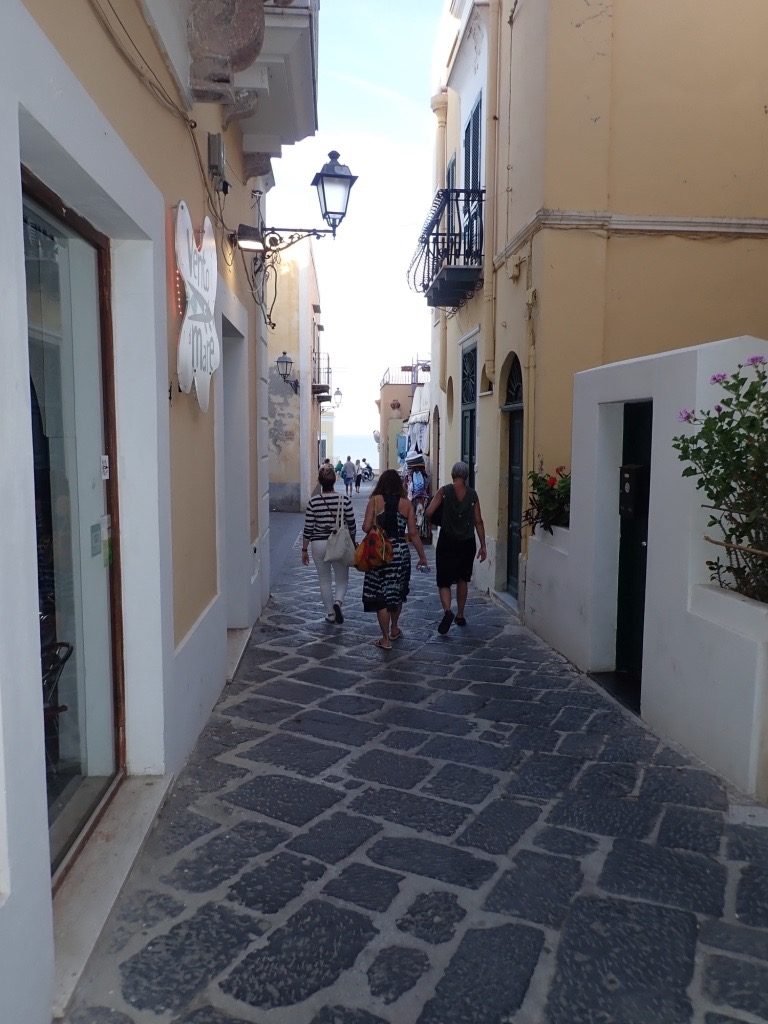
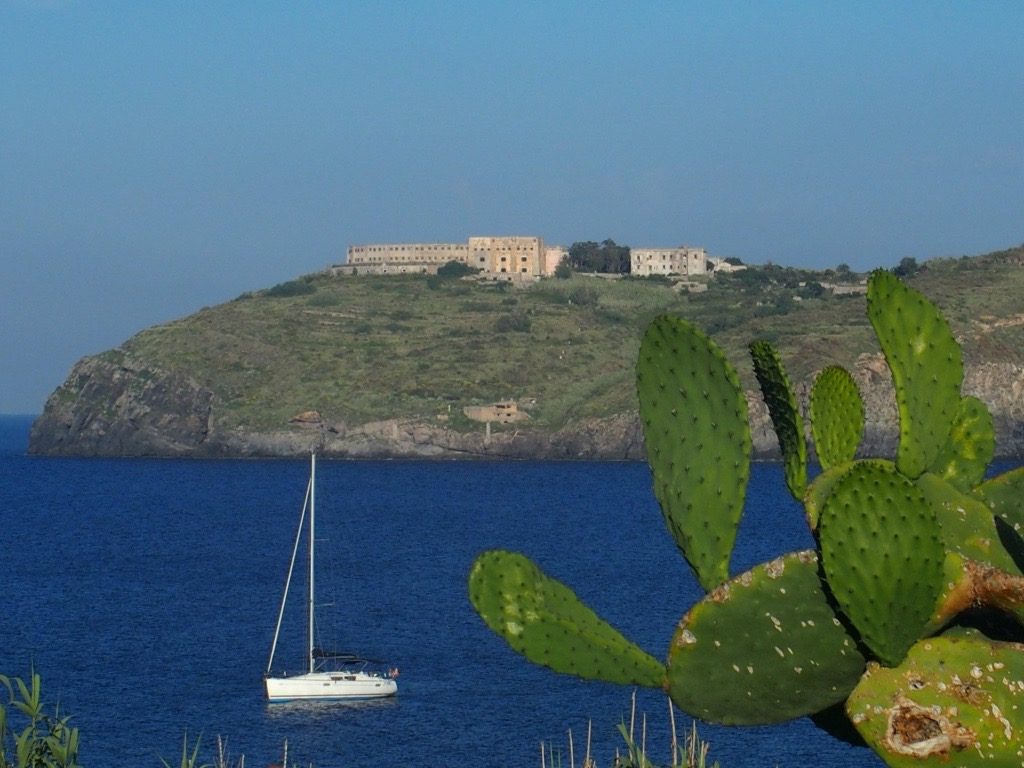
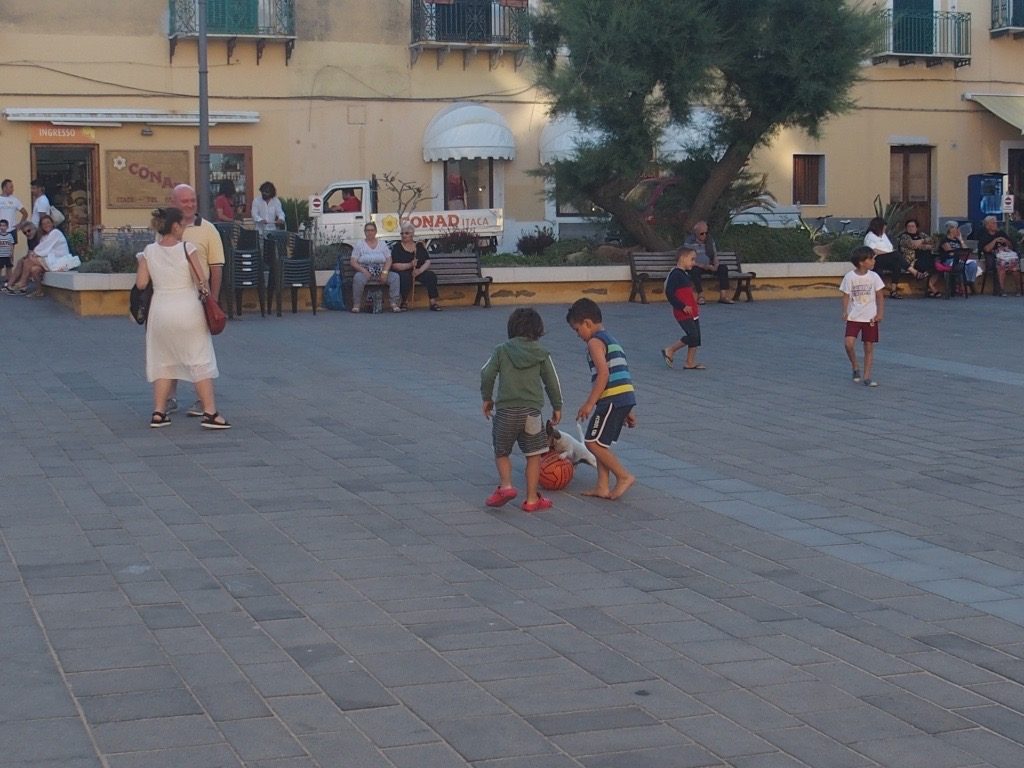
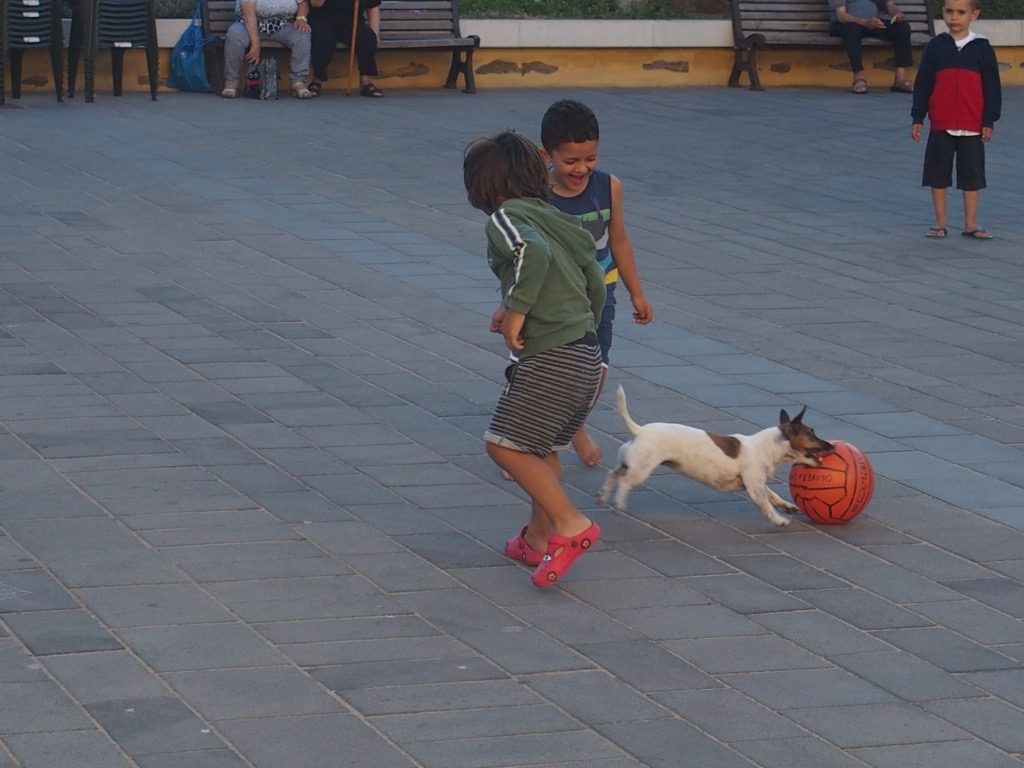
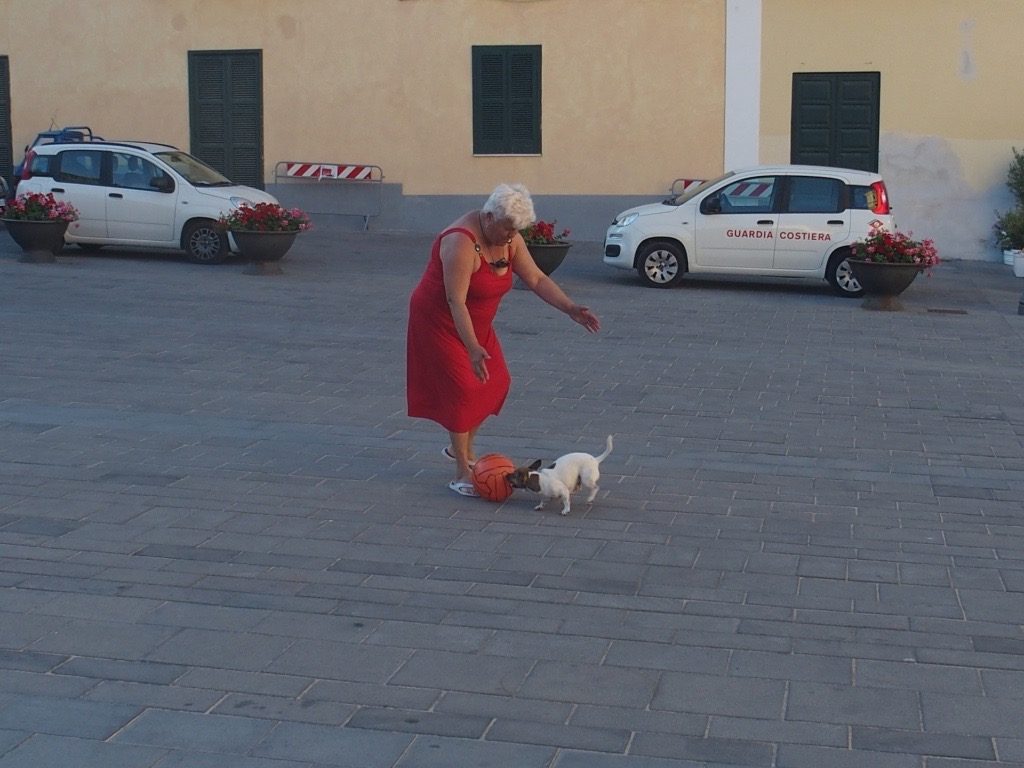
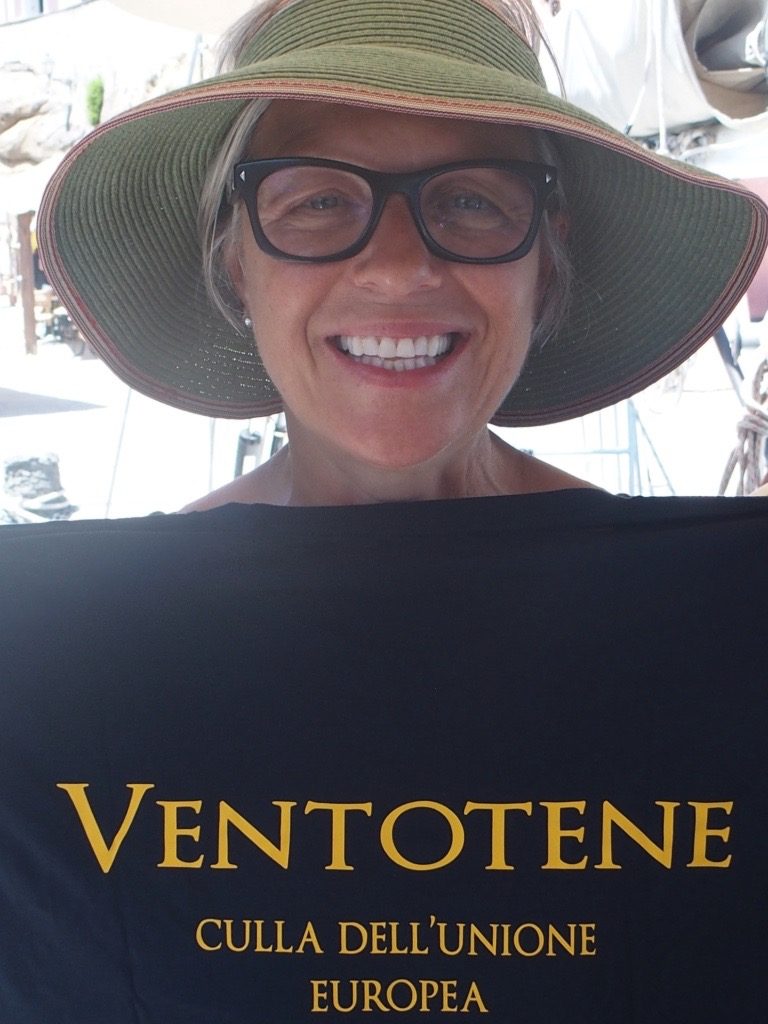
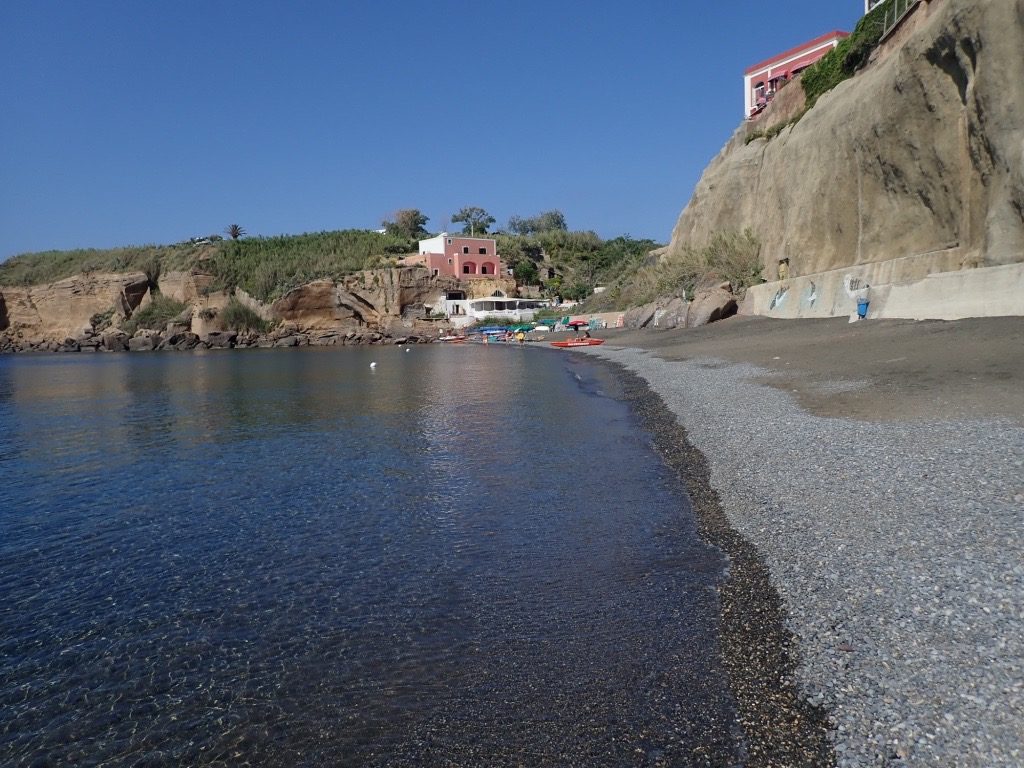
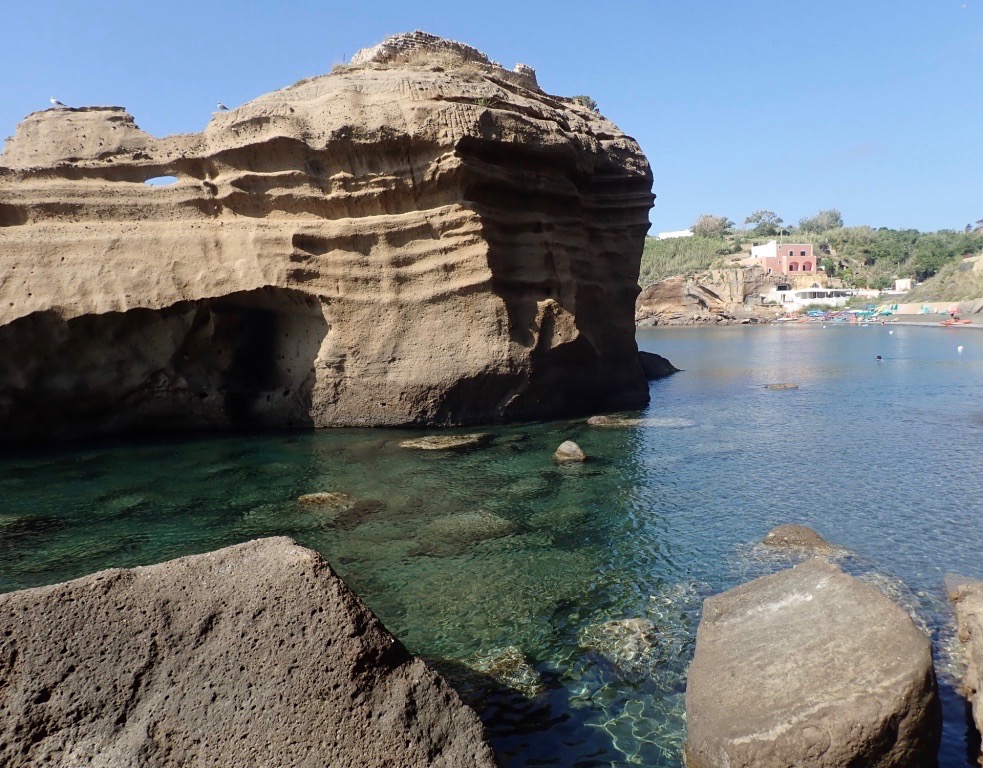
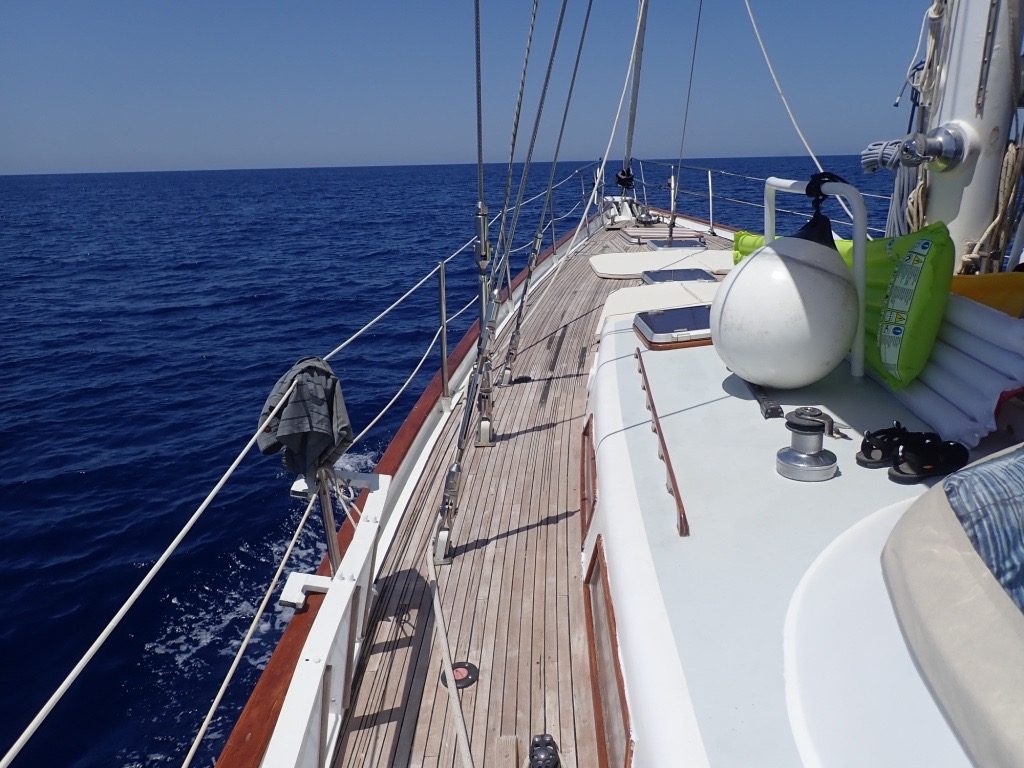
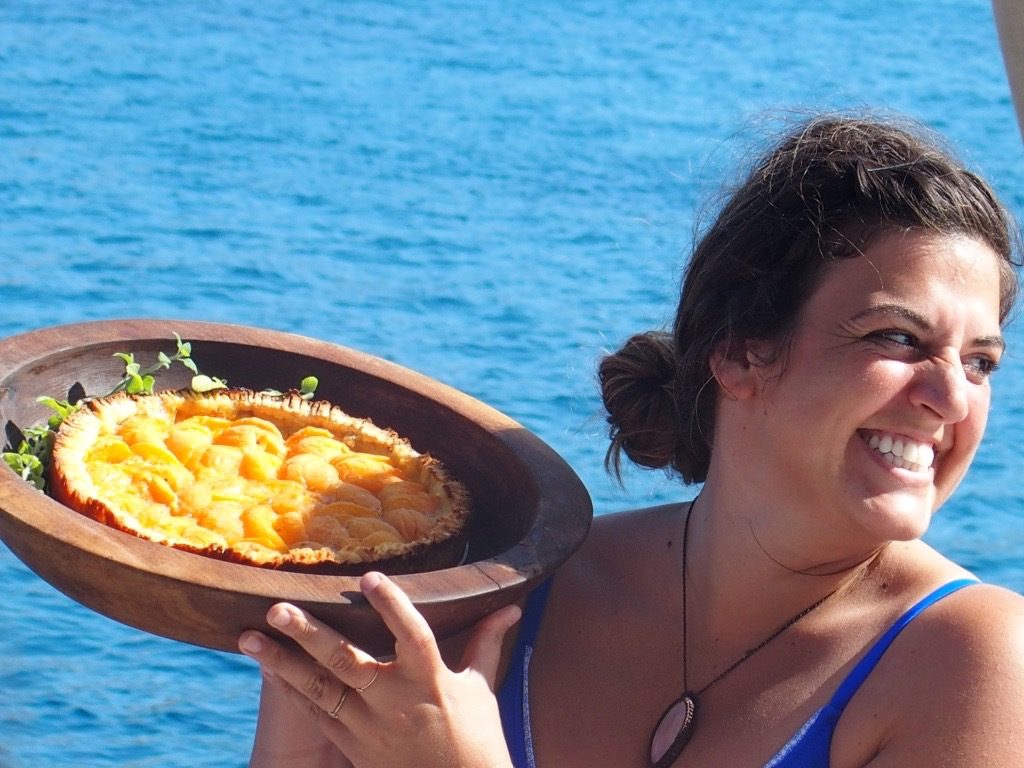
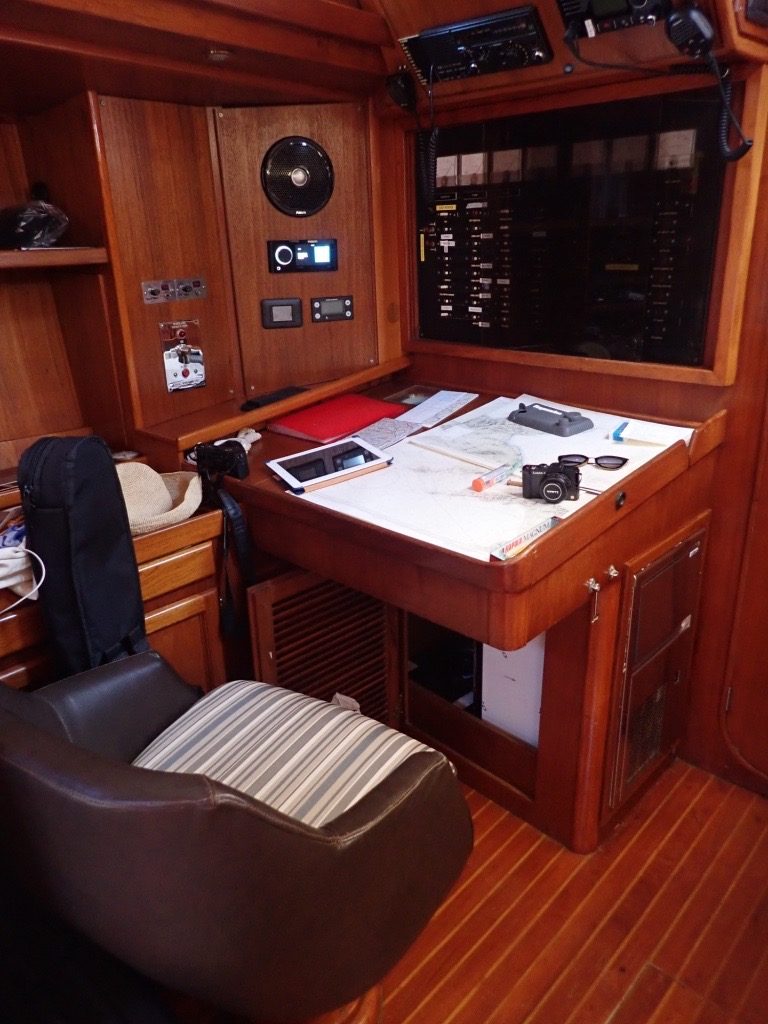
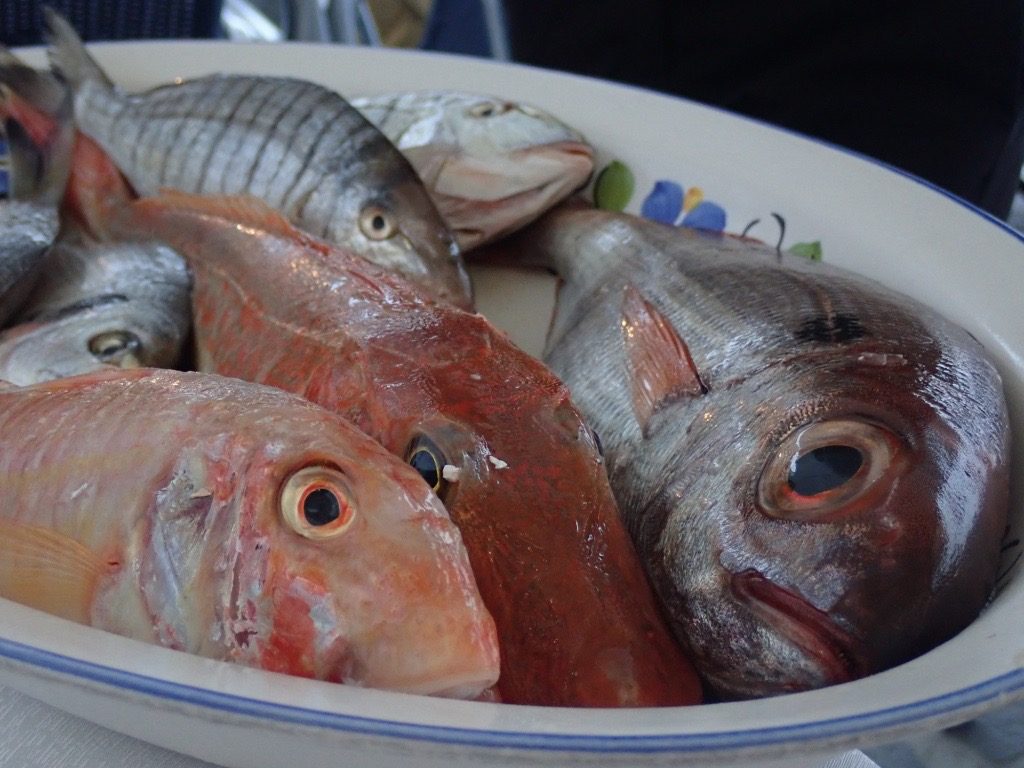
Map of the area with Ventotene to the left of the red dot.Sailing into our evening port we were welcomed by this old lighthouse.This image sees us safely tied up for the night. The restaurant at the end of this little marina was to be our dining spot for dinner. An image of our sleuth from our dining spot.Typical street on the island. Most streets are pedestrian only, with only an occasional bicycle.The prison via libera alle visite al carcere borbonico sull’isola Di Santo Stefano. It was used to incarcerate political prisoners in the 18th and 19th centuries. It hasn’t been used as a prison for well over a century. The prison is the only structure on it’s island which is about 2 miles from Ventotene. Pictured above is the only piazza on the island. The kids are enjoying an early evening competition with this dog for the ball. Notice that not one person is on a device or cell phone.Score two for the dog. Even though the boys out-numbered the dog, while I was watching the dog decidedly won time of possession. And this woman thought she could do better, but the animal totally humiliated her as well. After being beaten badly by the dog, she retreated back to her bench for a cigarette.Typical sales person selling tee shirts near the piazza. Here she is holding one up for my consideration. Even though I wasn’t interested in buying, I couldn’t resist and purchased a few. What an infectious smile. And of course her Italian was flawless.To the beach for a morning swim. As can be seen, there are no crowds here, even on this very warm day.Another perspective of the site of my morning swim.Setting sail to our next destination Isola di Ponza.Check out this dish. Not our lovely chef Linda, but the apricot pie she just whipped up from some local apricots (which she had hand picked from the trees) as part of our lunch while sailing to our next island destination.The captain’s lower bridge is where all the navigation takes place. The sailboat is equipped with auto-pilot and cruise control. This allows Captain Antonio time to relax most of the time we are actually sailing.
A friend of mine chartered a sailboat in order to sail around some of the small islands off Italy’s southern coast for 7 days. I was invited and accepted the invitation in about 4 seconds. It was truly an experience I will repeat someday. From the tiny ports where we found a slip for the night, to the very amazing people and food at every stop, this was a very unique experience. It is important to note although this is the summer season, these little islands we are visiting do not have many tourists, and any tourists here are almost exclusively from mainland Italy. For seven days I did not hear any language being spoken other than Italian. Typically we would sail 3-4 hours a day while stopping for a plunge off the boat from time to time, or lunch. Beside the captain and the first mate, the sailboat had a fantastic chef from Palermo, Sicily as well as our onboard personal culinary expert. As you might deduce, the culinary experience here was as much a focus as was the beautiful scenery and water.
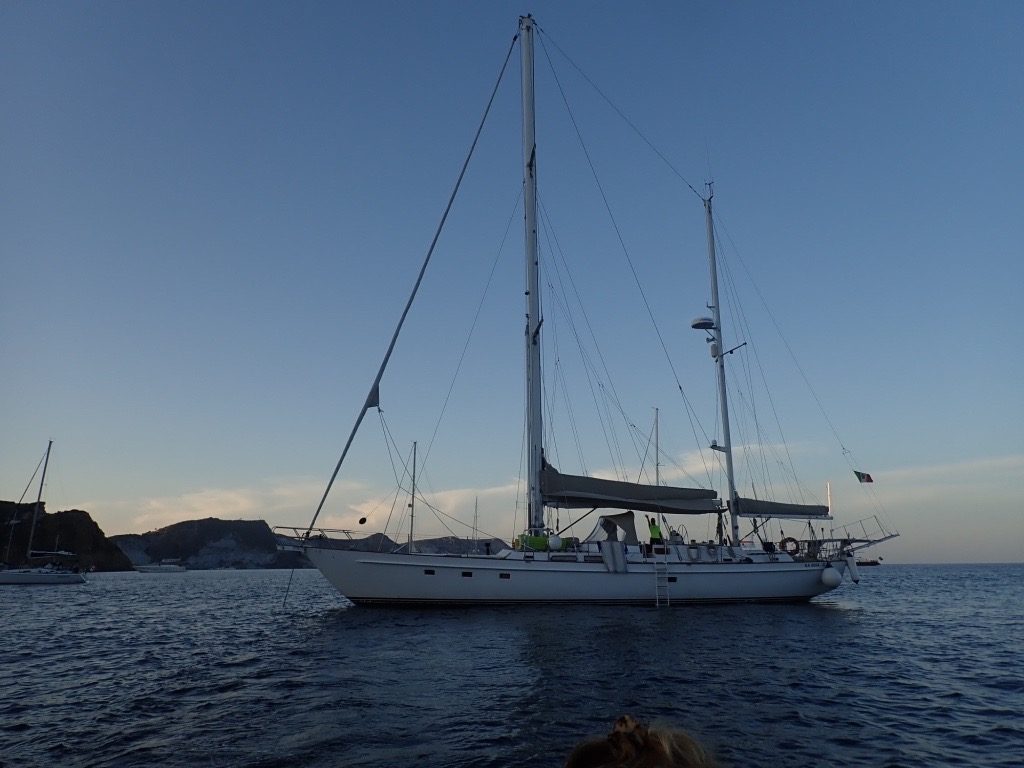
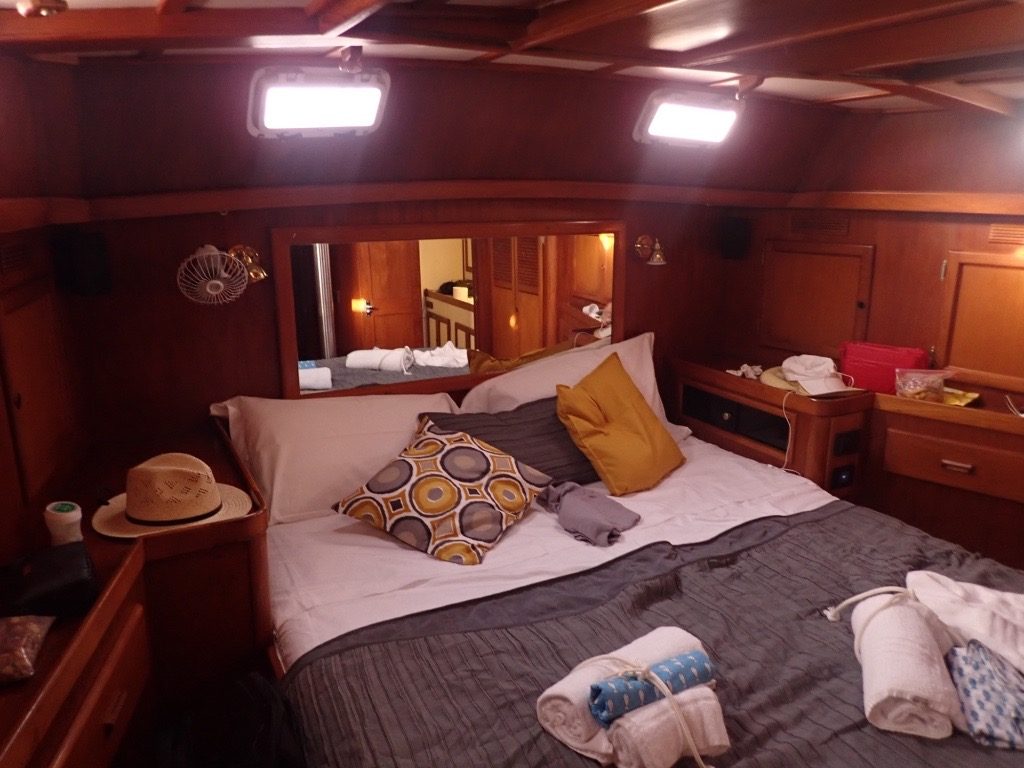
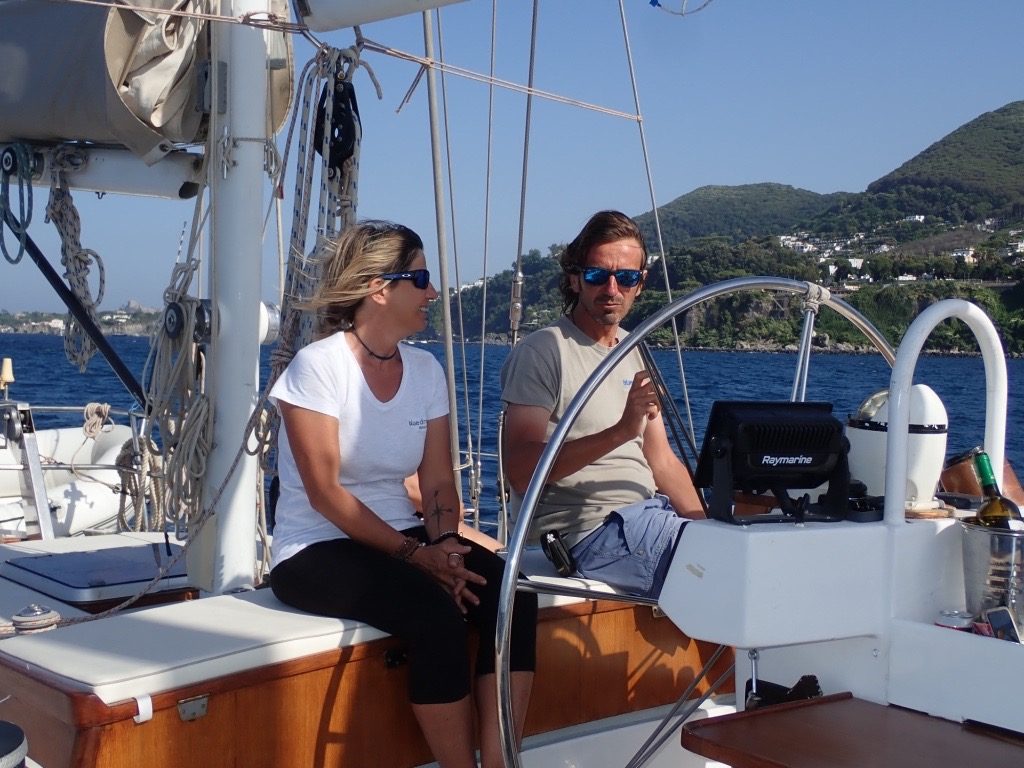
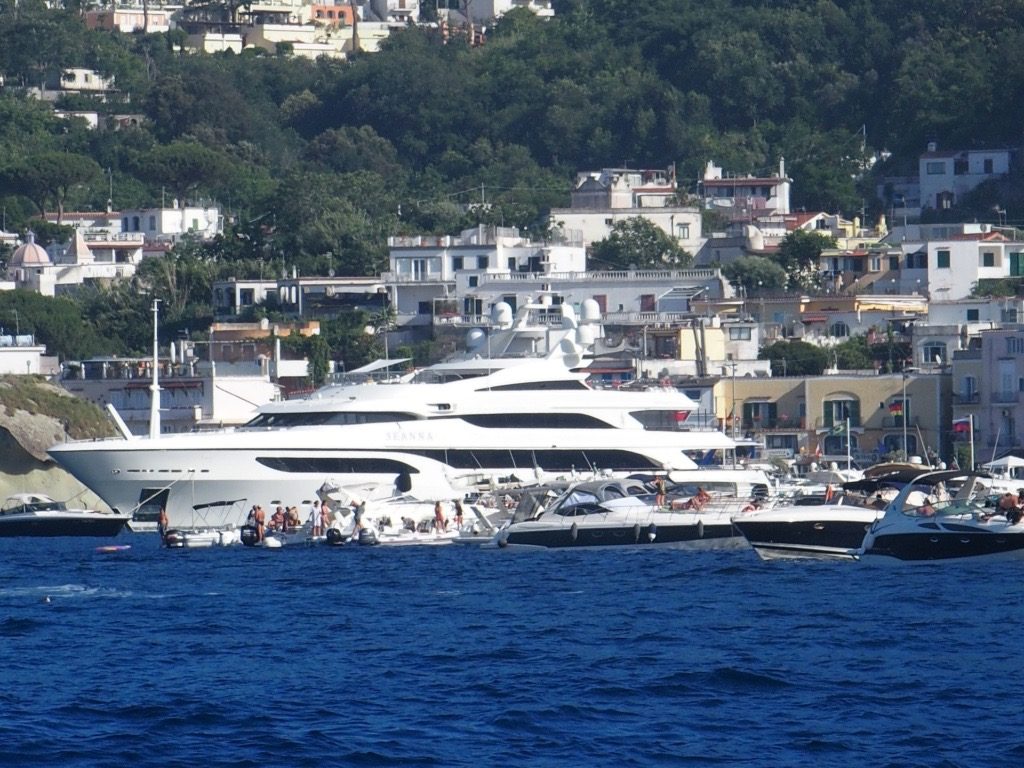
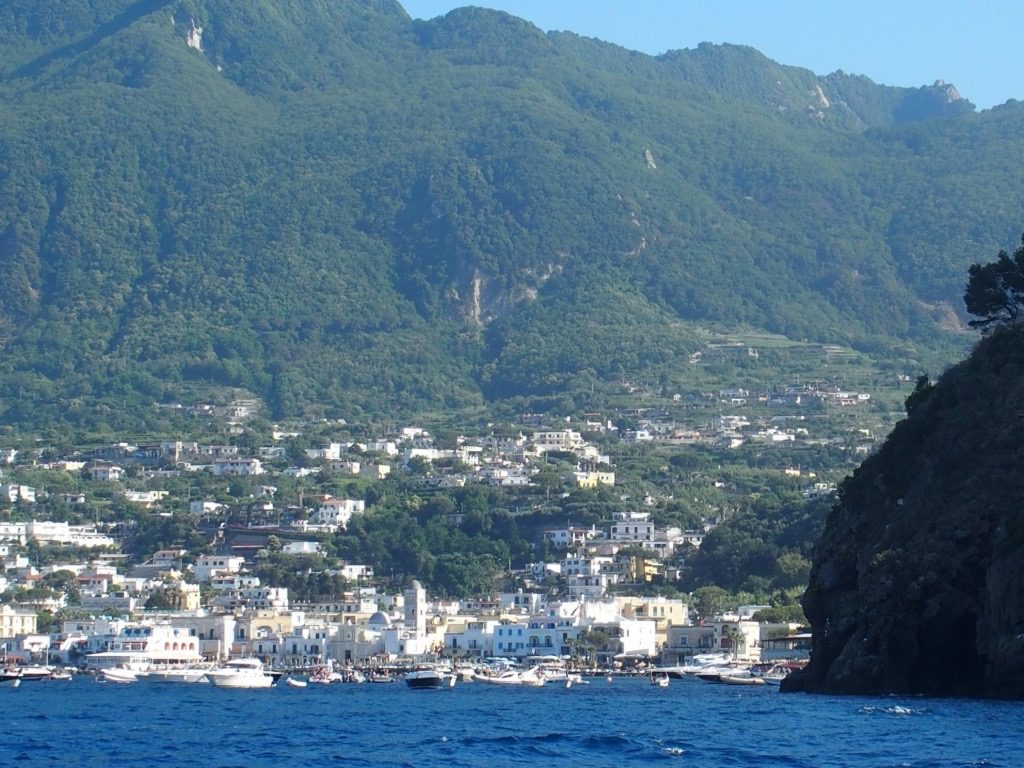
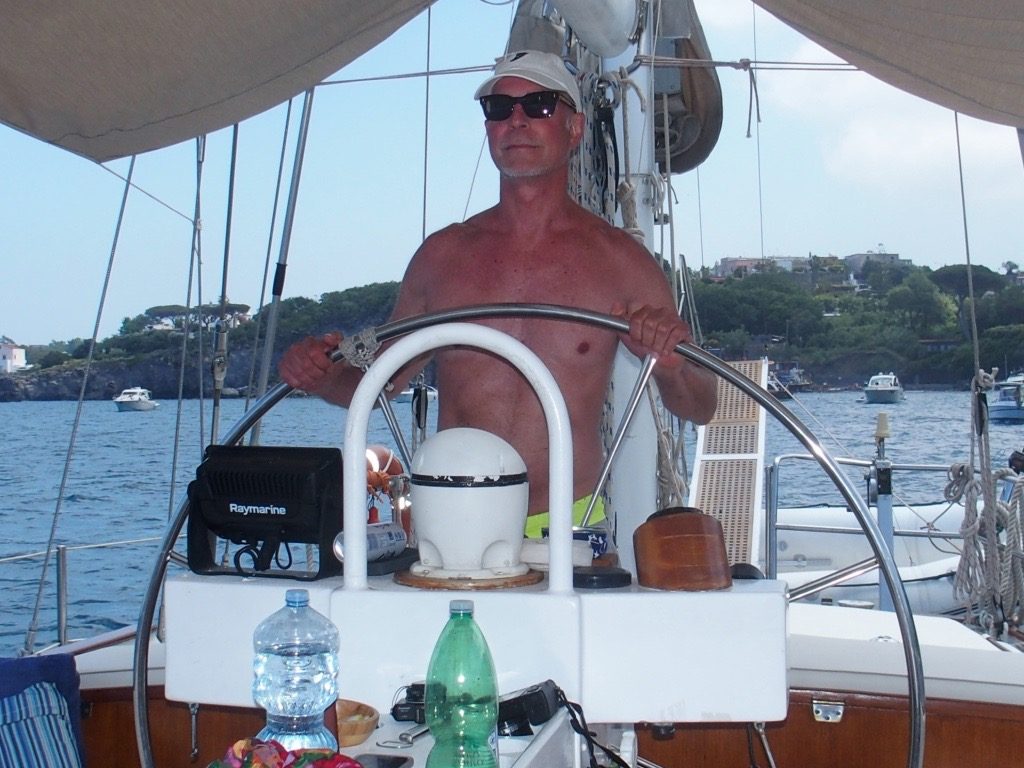
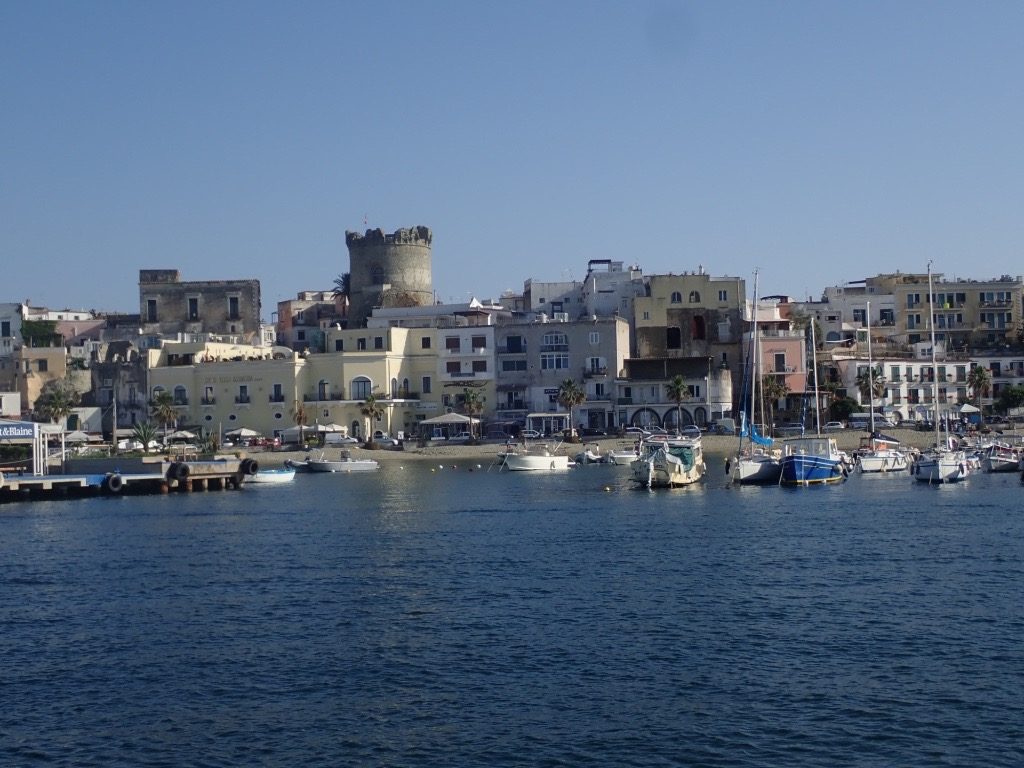
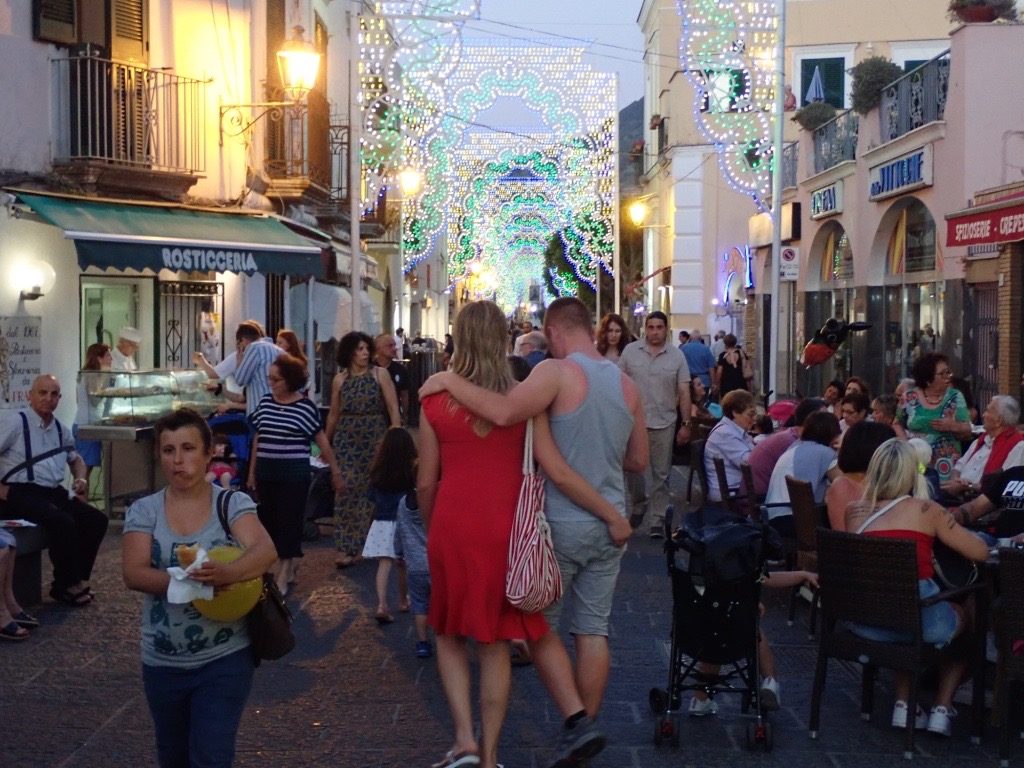
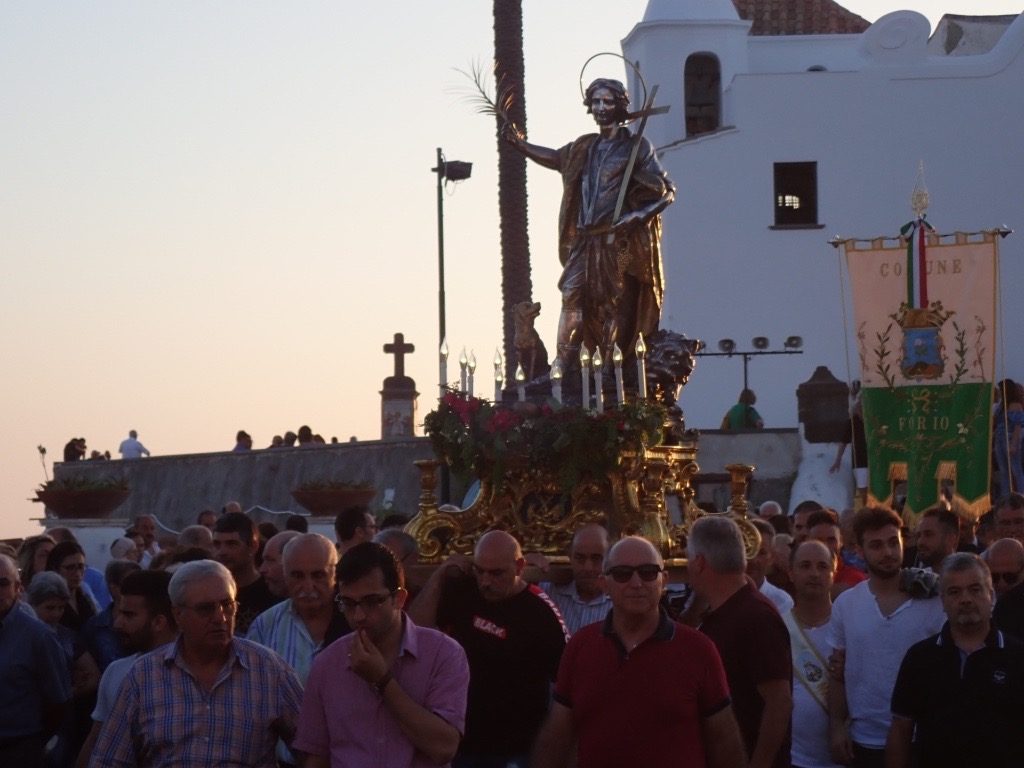
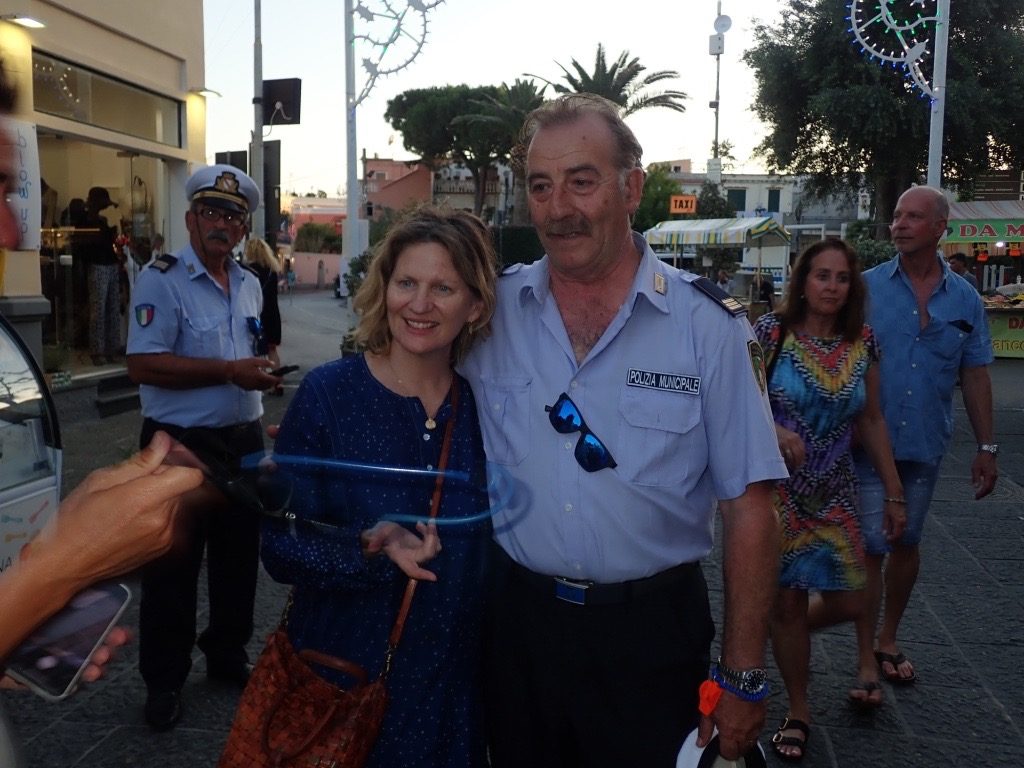
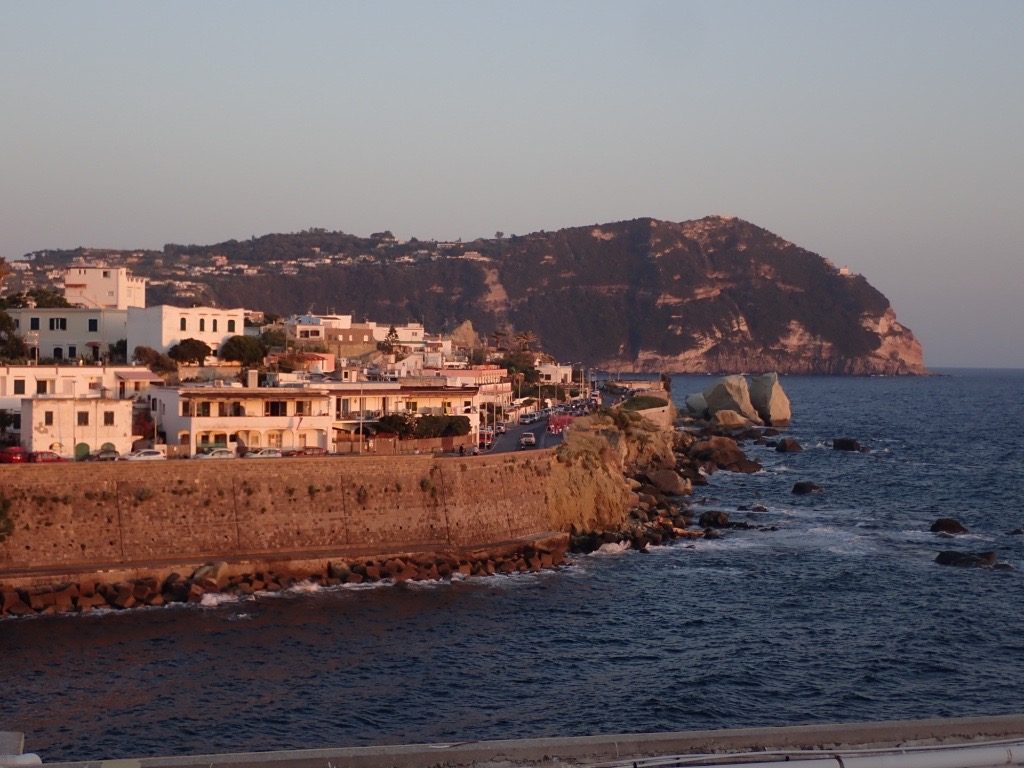
Map of the area. If you look you can see the Isola di Ischia, Ventotene, and Ponza to the left of the red dot. These are our destinations.Our sailboat pictured above was about the same size as the SS Minnow from Gilligan’s Island. Here is my cabin in the stern of the boat. Not the Ritz, but perfectly comfortable, even without any room service.Captain Antonio and his First Mate Carla. These two were awesome to sail with. So much so that they quickly became like family, or better yet good friends, as sometimes as some of us know family may not be as good to travel with.The harbor departing Procida. I spent the prior six days on this beautiful island. Once the sailboat was fully provisioned with everything we needed (and some things we did not need) we set sail.As we embark on our seven day odyssey this is an image of Procida from the water.The old walled city in Procida.Burning fossil fuels in a little mid-morning frolic. If you disregard the environmental impact and carbon footprint created by this sort of activity, it appears to be great fun. Since our vessel was almost entirely propelled by the wind I had almost no pangs of guilt for the minimal damage being inflicted on the environment as a result of our voyage.Checkout some of these blowout homes on Ischia. Judging by some of the local water-craft and these palace-like homes there is most definitely some serious cash on this island. This large craft dwarfs all the yachts around it. Much larger than Al Czervik’s (Rodney Dangerfield) in Caddyshack.Little towns and villages dot the Ischia coastline.My buddy Kenny taking the wheel from the captain for a brief stint. Kenny is rarely this serious about anything. But as you can see here, he is completely focused.Coming into Forio, Ischia for the evening. Leisurely stroll on just another evening on the streets of Fornio. That is not a growth on the face of the woman on the left, she has a bite of her sandwich in her month. Reminds me of an old joke with gestures that I shouldn’t describe here.Local procession honoring Patron Saint Vito with the Chiesa del Soccorso in the background. Not only is the Patron Saint Vito the patron saint of actors, comedians, dancers, epileptics, and said to protect against lightening strikes, animal attacks, and oversleeping, he is the protector of this town of Fornio. He has quite a lot of responsibility when you think about it for a moment. It was hard for me to look these guys in the eye knowing we were going to eat them for dinner.The members of local law enforcement are always willing to pose for a picture even if you don’t offer them cash. Pictured here with officer Giuseppe is our boat’s always smiling culinary expert Peggy Peggy.Another coastline perspective of Forio at sunset.
This tiny island (1.6 sq. mi.) is located in the Bay of Naples off the southern coast of Italy. It is home to only 10,000 people. It’s tourist population, which is small consists largely of Italians from the mainland. The mainland is only a 40 minute high-speed ferry away. It is a very romantic place which may explain why it was the location for the 1994 Academy Award winning movie Il Postino (The Postman). The sea surrounding this island is a deep crystalline blue.
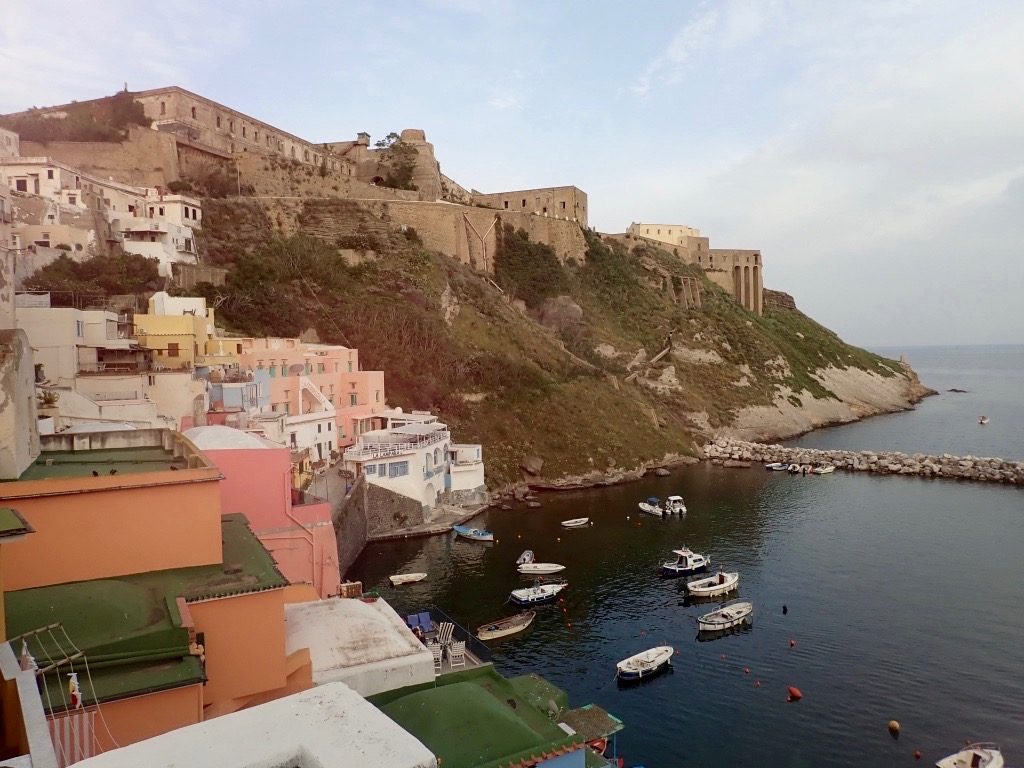
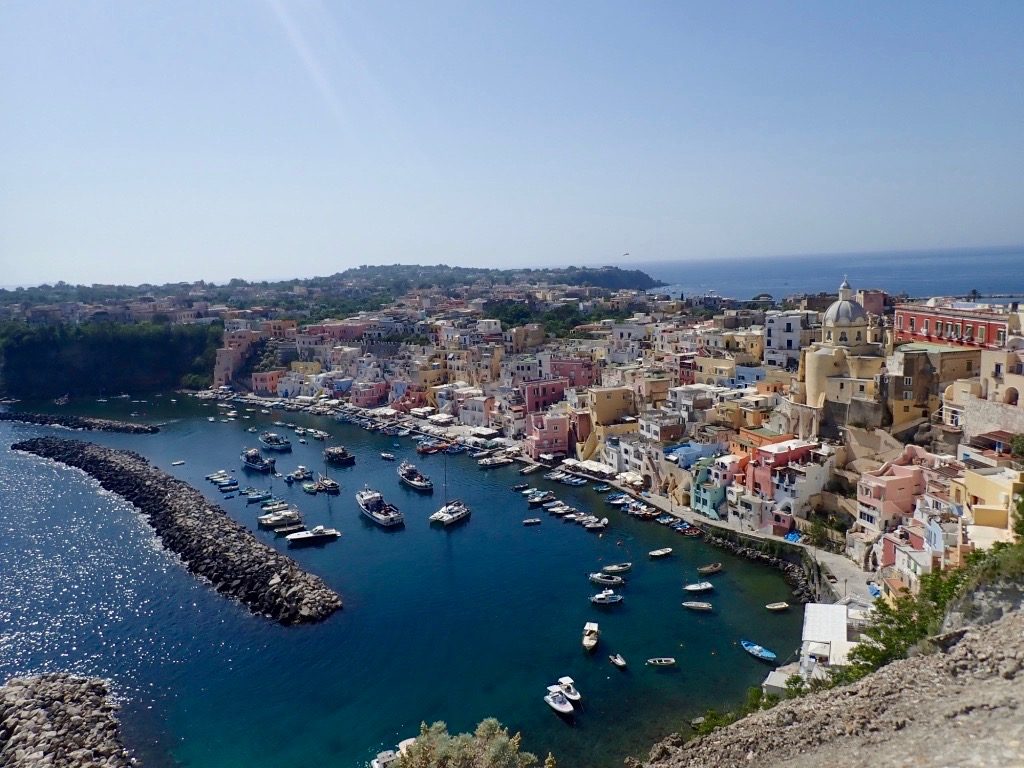
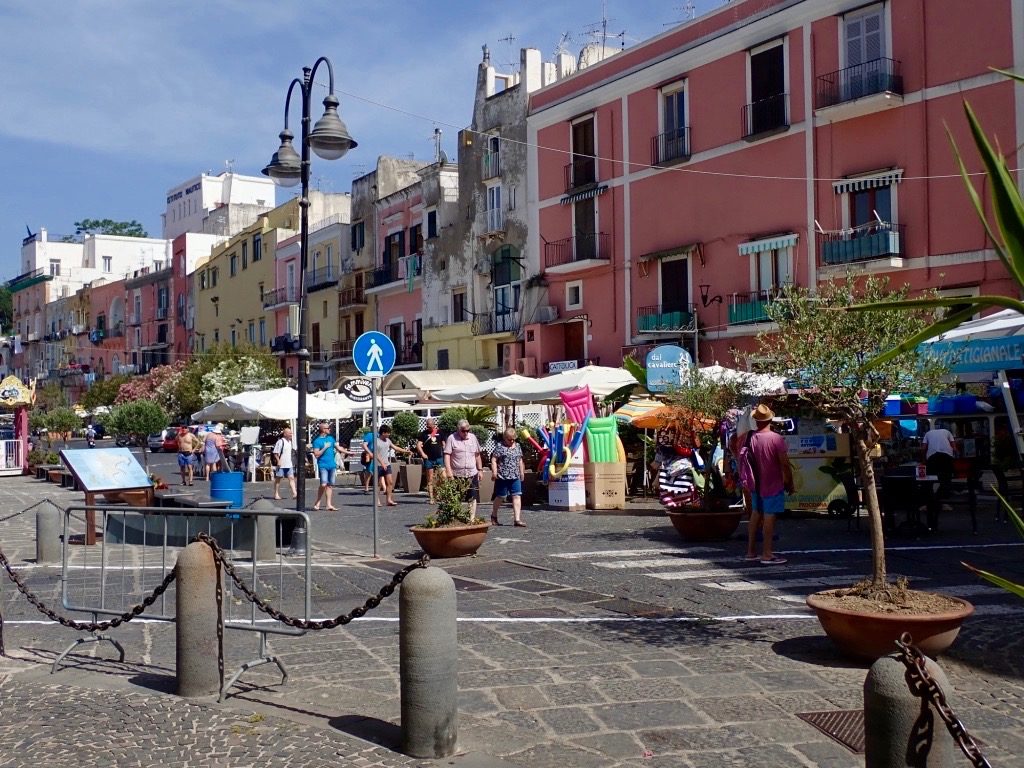
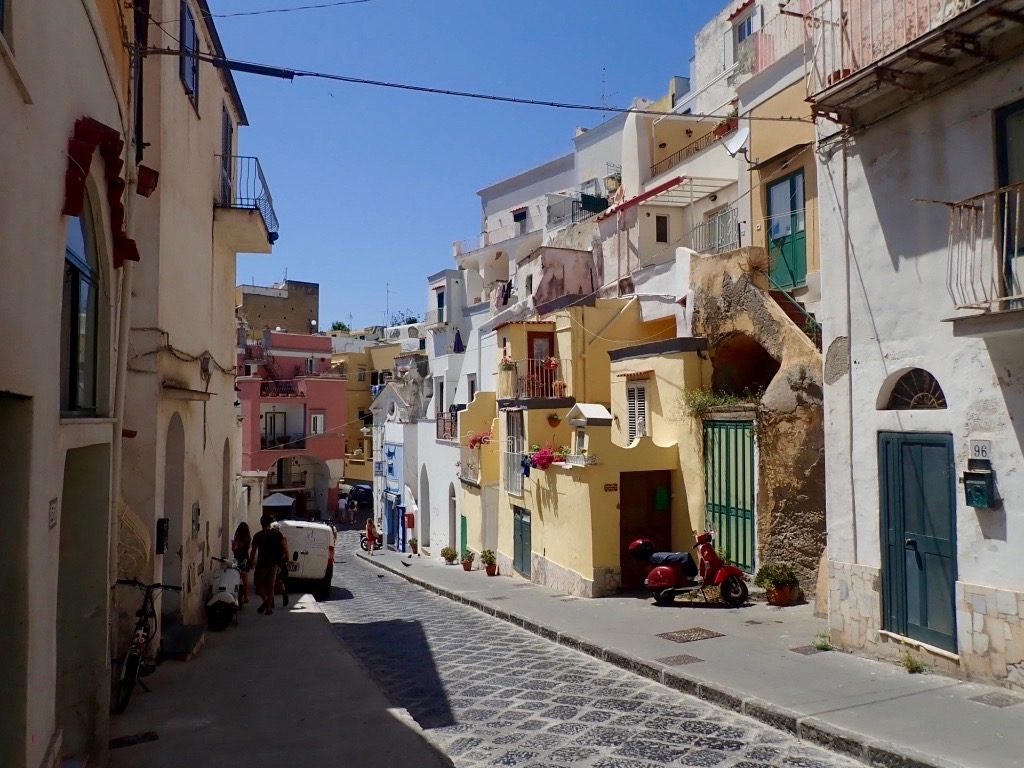
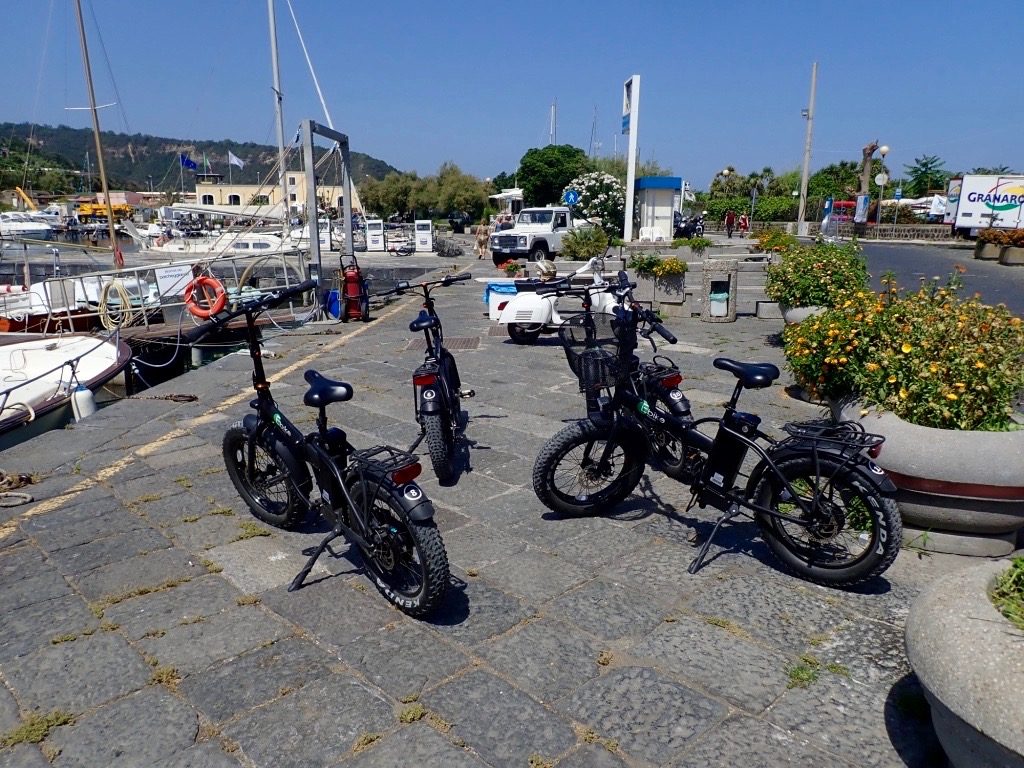
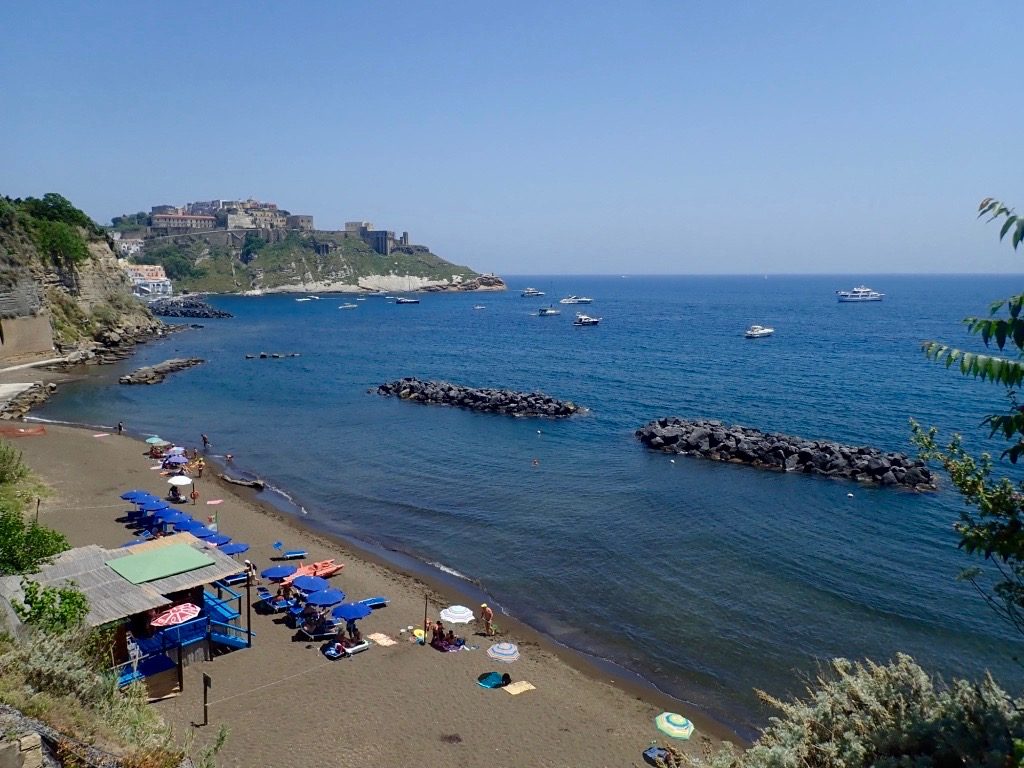
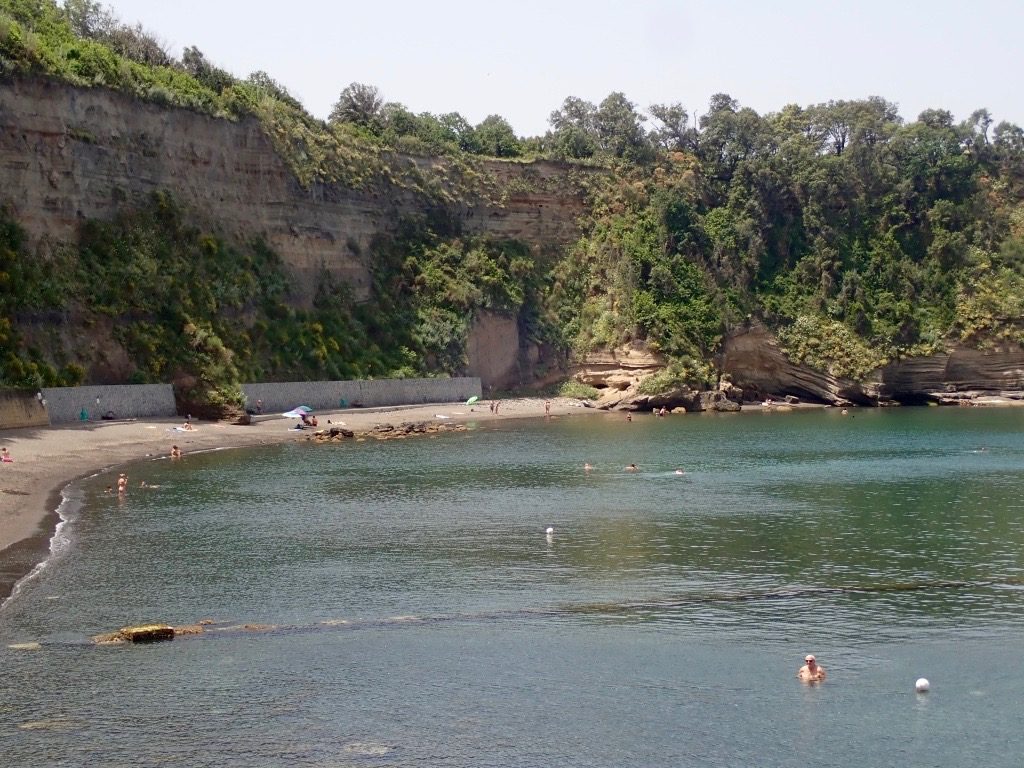
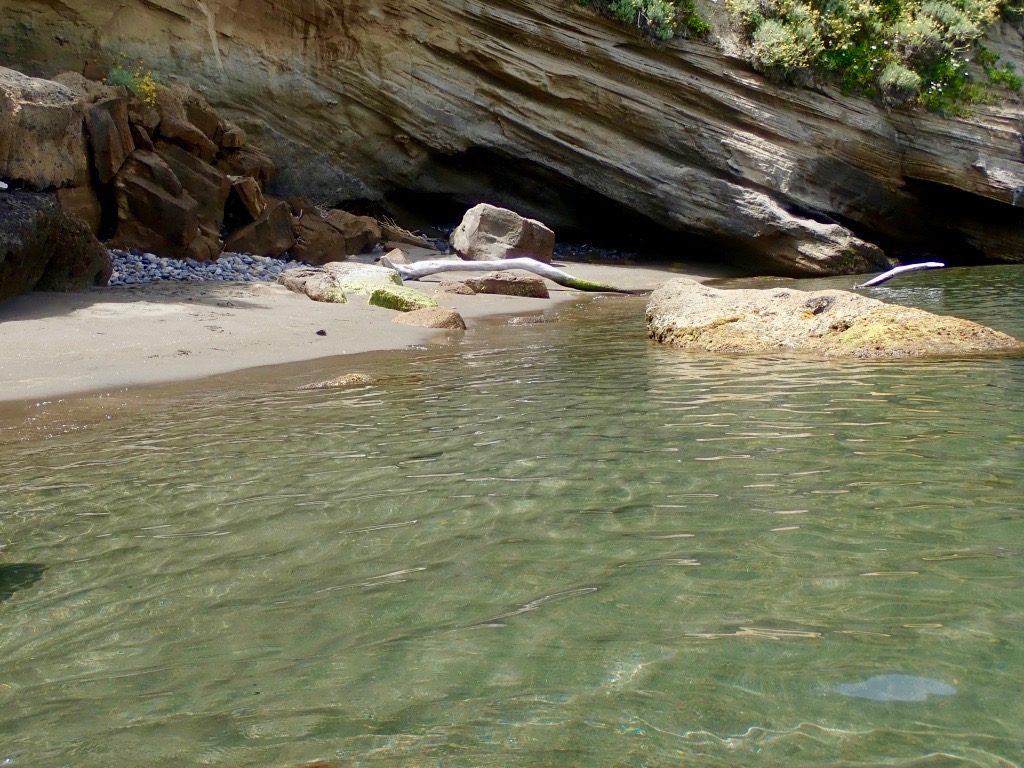
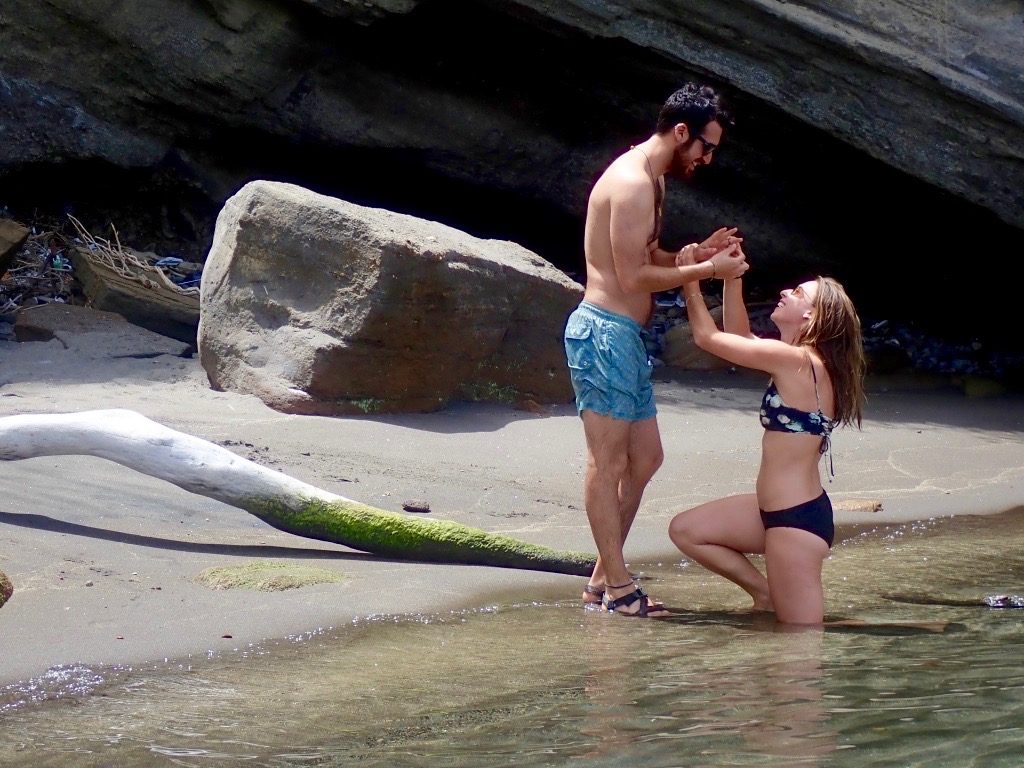
The view toward mainland Italy. Although this island is a relatively short ferry, it is a world and time apart. At times it seemed to me that I had been transported back in time to a much simpler and innocent world. This fact was so refreshing that I could well imagine spending more time here.The old walled city. Which contains a palazzo, museum, and several bars. The area I am shooting from has many oceanfront restaurants and bars.View from the walled city. This is without a doubt the most photographed view on the island. Just check Google Images of Procida to confirm. Front street of the ferry port. The entire island is “walk friendly” unless you consider the extreme narrowness and no sidewalks on some of the streets. The other pedestrian hazards are the scooters and motorcycles. Although it appears as that the few stop signs on the island are merely suggestions, and that few other driving rules exist, I did not witness one traffic incident in the 6 days I spent here. Hard to imagine any level of intoxicated driving could end well.Typical street on the island. Notice the ample sidewalks. The other very stark contrast to Naples is the litter free streets here. While Naples had more than its share of litter and overflowing dumpsters, Procida had none.These ebikes are the best way to get around on the island. This was my choice for transportation. The extra wide tires and extended battery packs were completely necessary for both the cobblestone roads and the hills on the island.A typical beach on the island. I had a great swim and soak in the water before I took note that no one else was in the water beyond their ankles. That was because of jellyfish in the water this day. Cala del Pozzo Vecchio, the beach featured in il Postino is very romantic indeed. Besides the beauty, I enjoyed the fact that while I was in the water I wasn’t worried about my cameras and gear on the beach being ripped-off. The primary beachgoers are young local families. Another shot of this very beautiful beach. It is not hard to imagine that this romantic spot plays host to numerous marriage proposals. Just check out this young couple. I shot this image with a 400mm zoom. It appeared as though she was proposing to him, and judging by their smiles he was saying yes in Italian.
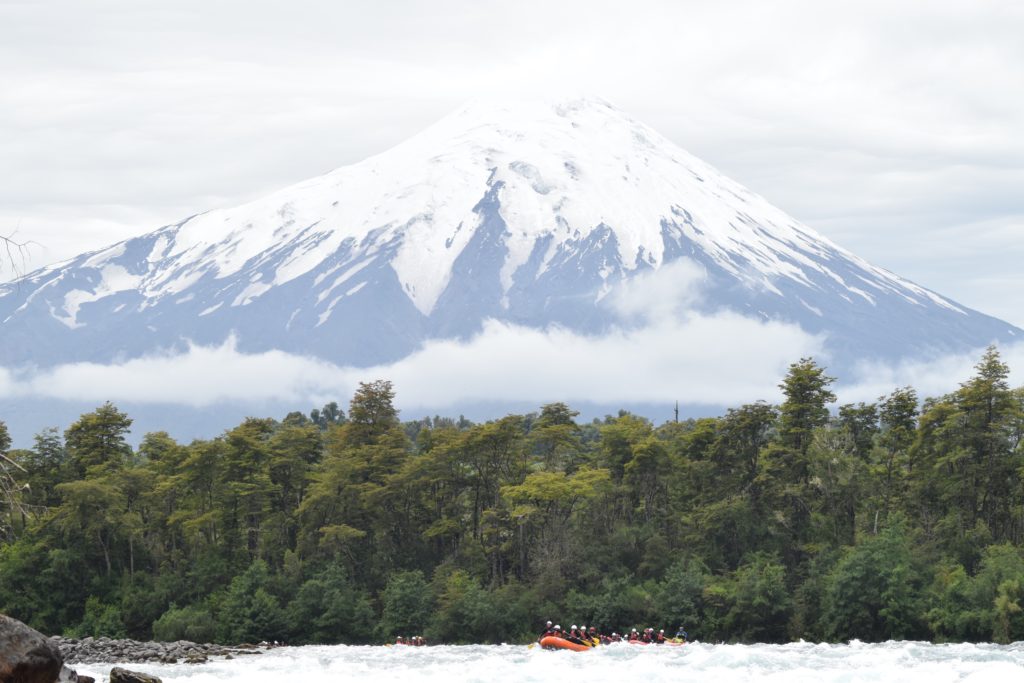
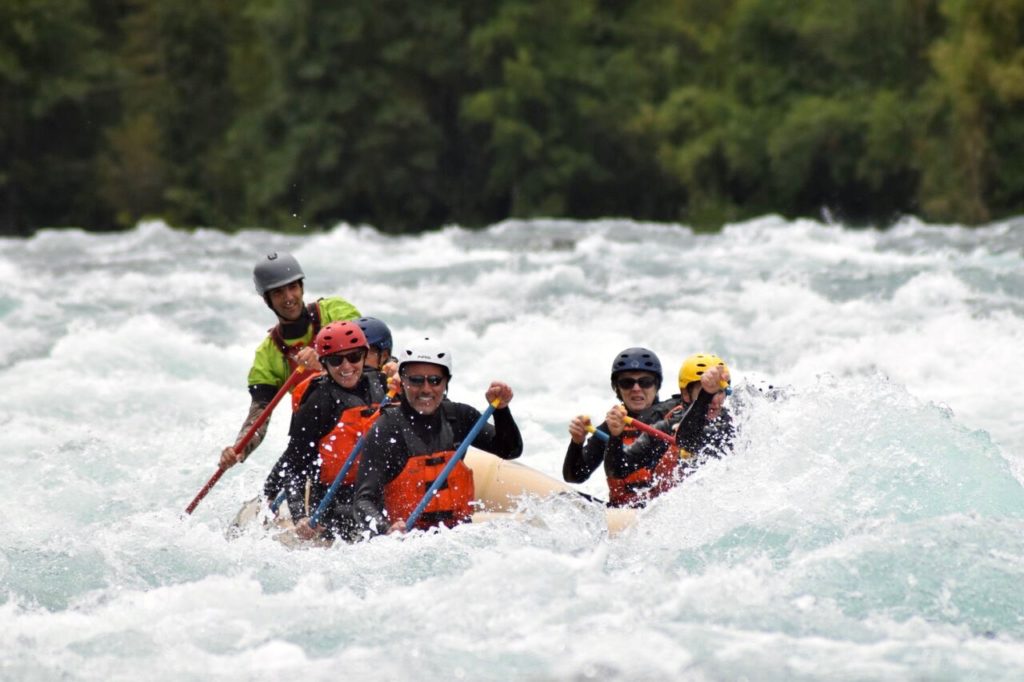
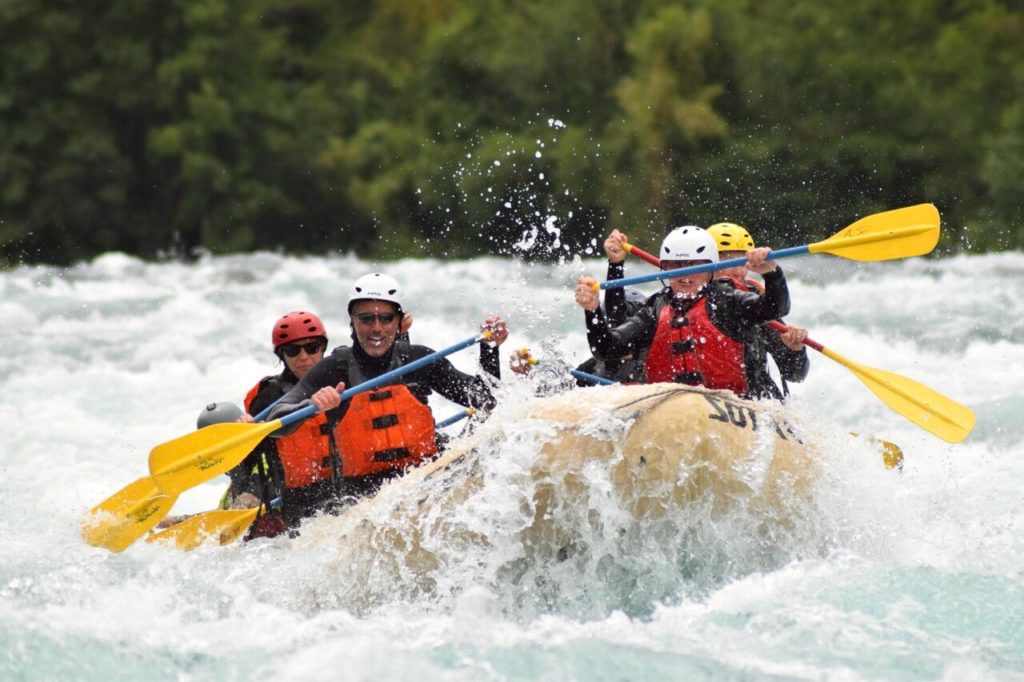
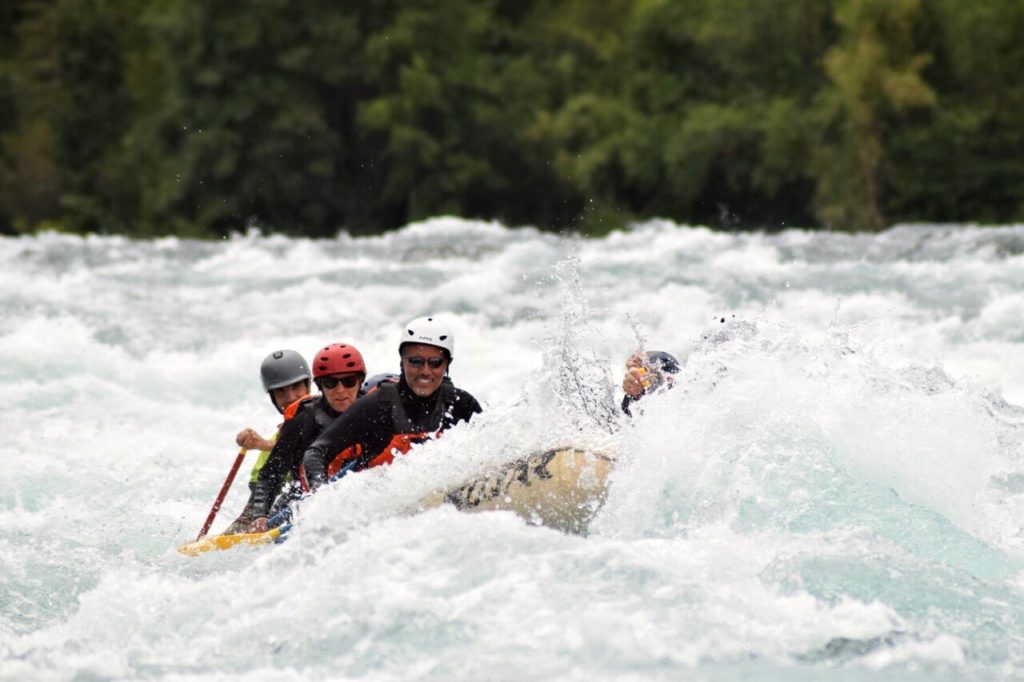
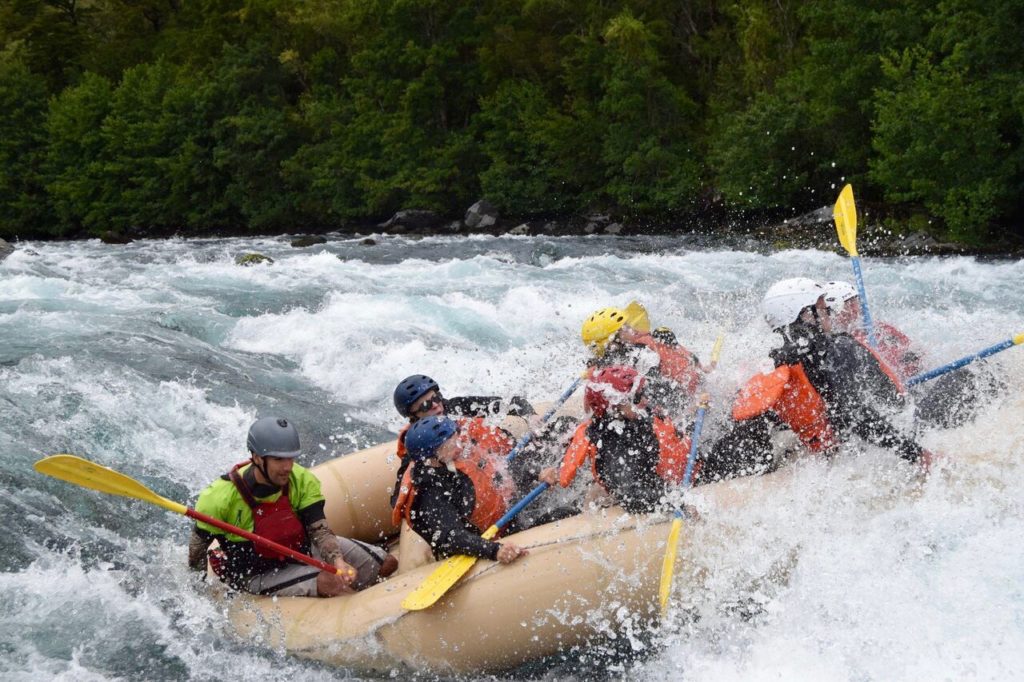
After 13 days in and getting to Antarctica, during which time the color green was non-existent, I began seeing the color green again. It didn’t occur to me while I wasn’t seeing it how much I missed it. While I was awestruck by the raw beauty of Antarctica, seeing the contrast of colors here is in a different way, its own beauty. I went white water river rafting on the Petrohue’ River. The river was really running. In parts it appeared as though it was boiling.
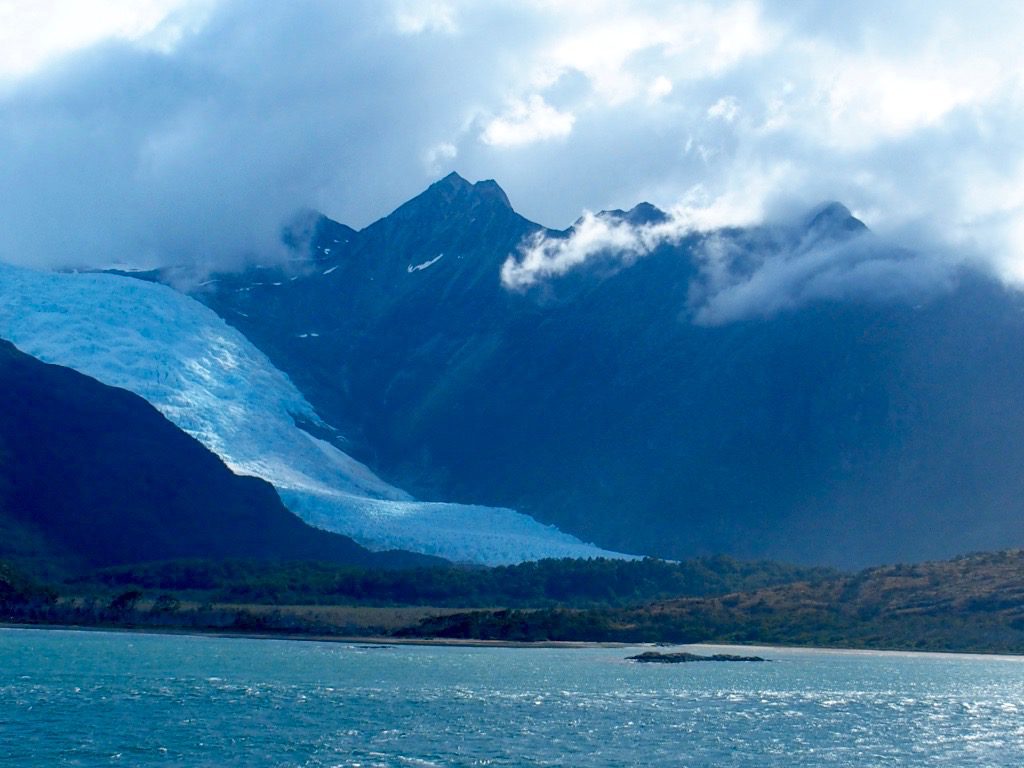
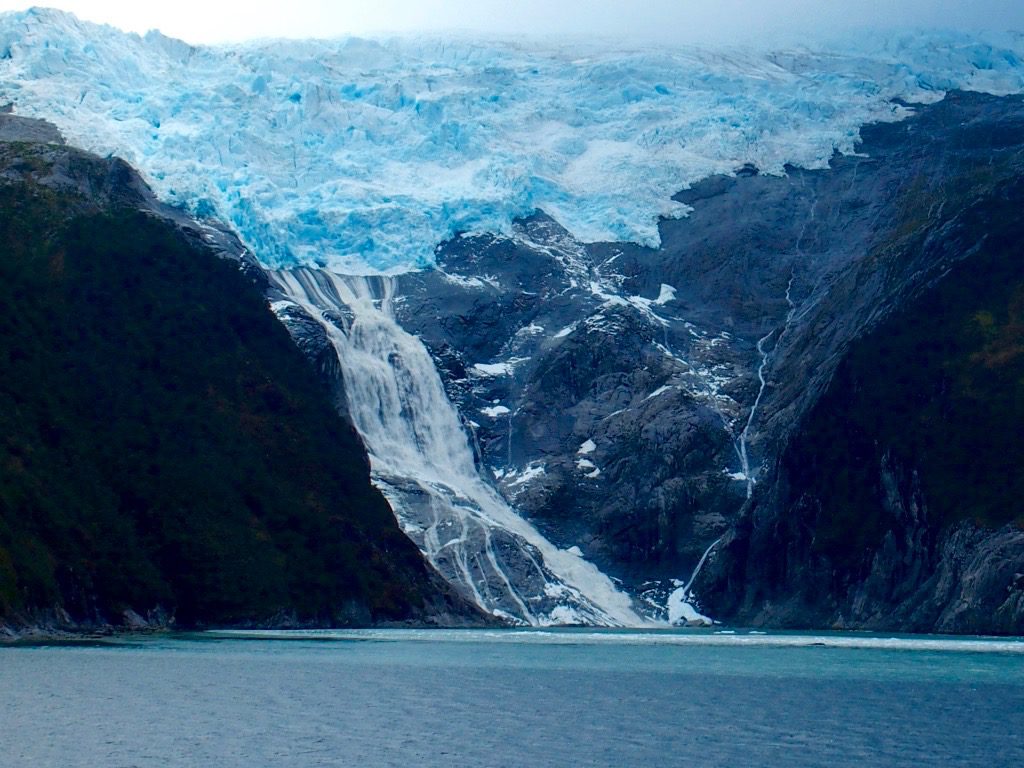
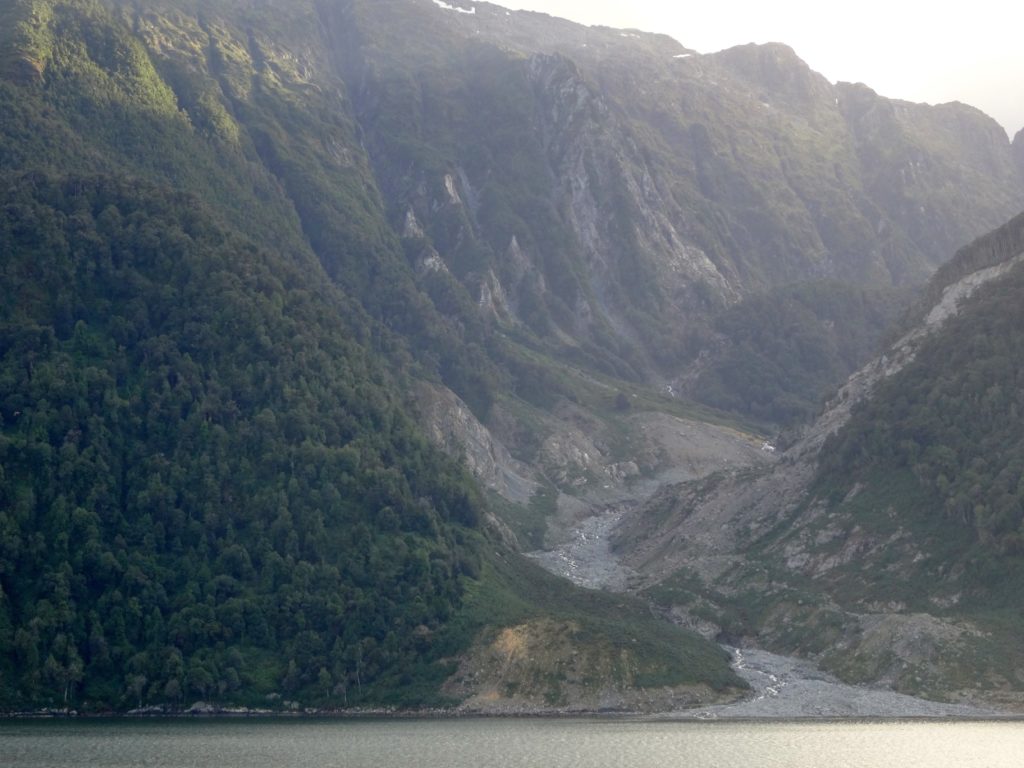
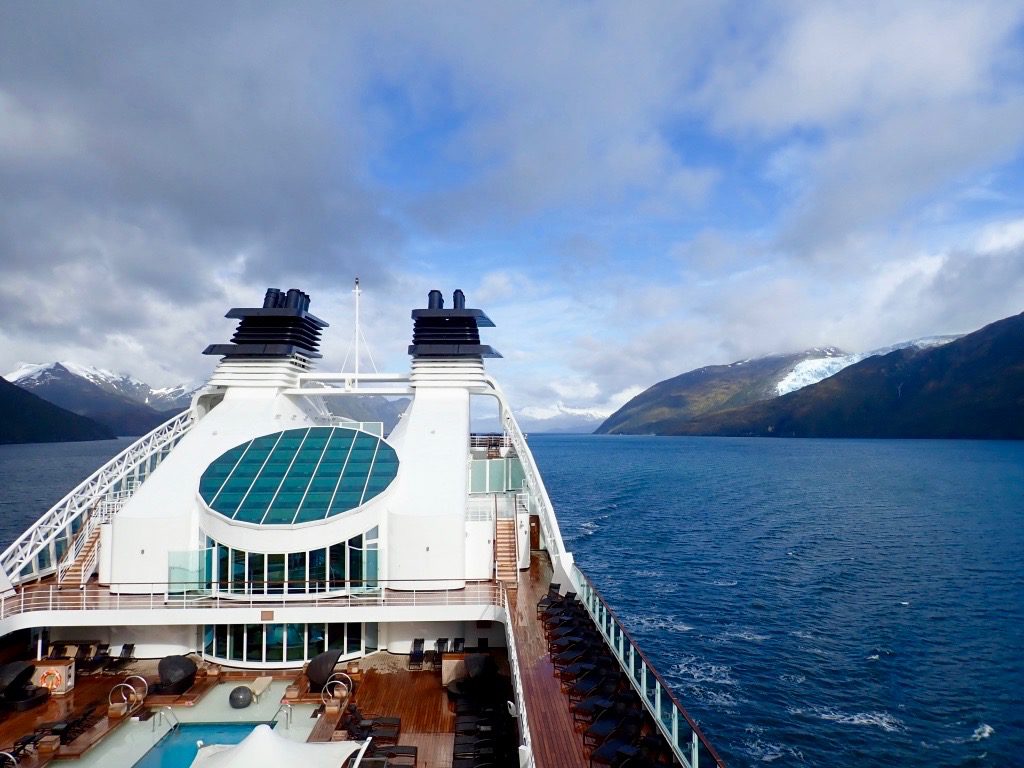
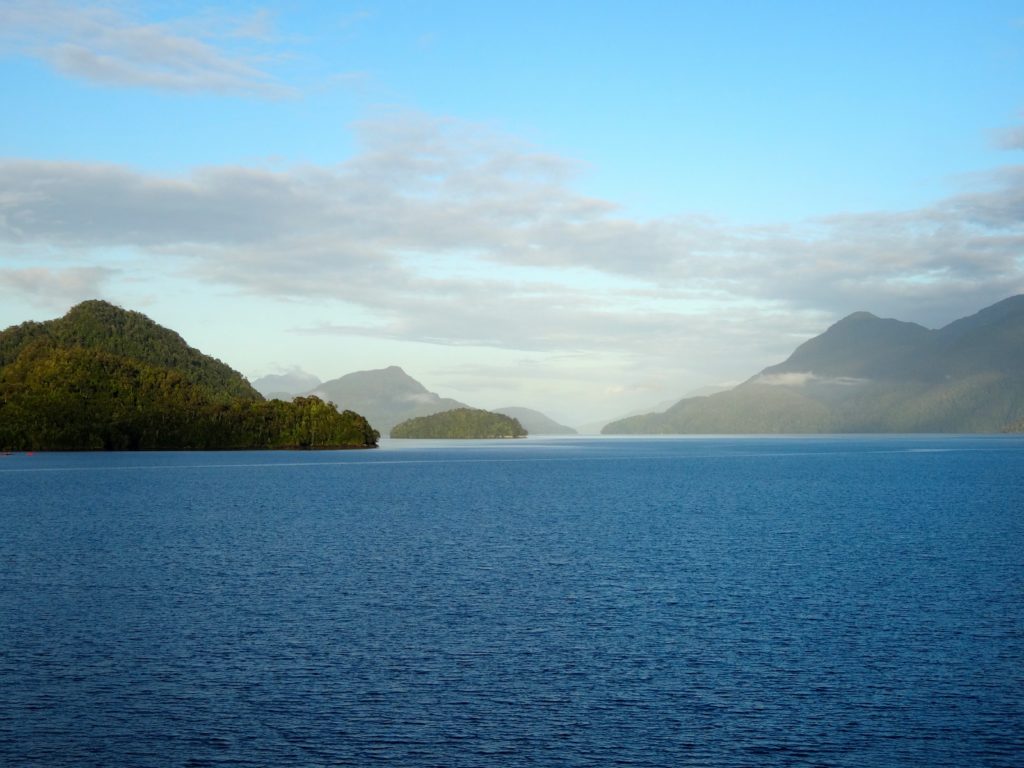
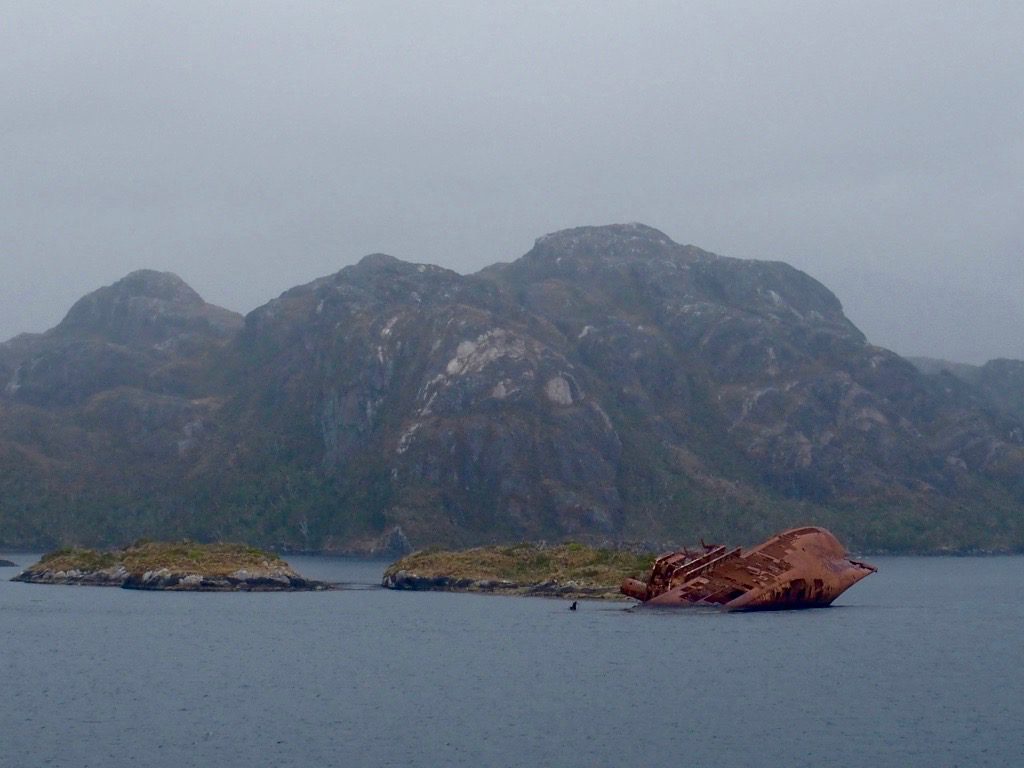
Rafting on the Petrohue’ River with the volcano known as Villarrica in the background.Class 4 rapids as this is near the high season for river flows. This was a challenging and exhilarating rafting trip today. Looks as though we lost a few.Hold on.Receding glacier. See these while they are still here. It is quite disturbing how quickly these are disappearing.Melting glaciers.Once glacier filled, this valley is now devoid of any such ice forms.View to the stern during our AM sail through this beautiful area.View of a bay in the “glacier alley” of the Beagle Channel.Pictured above is the Santa Leonor which sank in March 1968, over 50 years ago. This ship was formerly known as the USS Riverside and was an American Bayfield-class attack ship that was built in 1944. It served during WWII fighting against Imperial Japan.Just like the Neil Young & Crazy Horse album, “Rust never sleeps,” neither does this rust. Close up of the rusting hull.
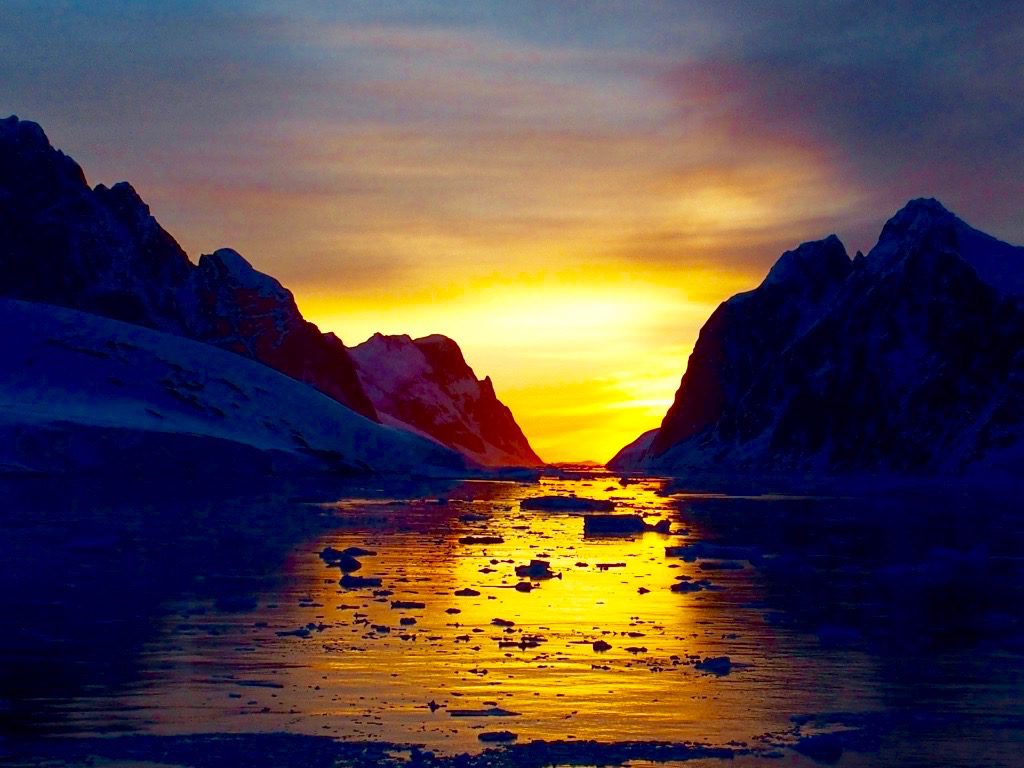
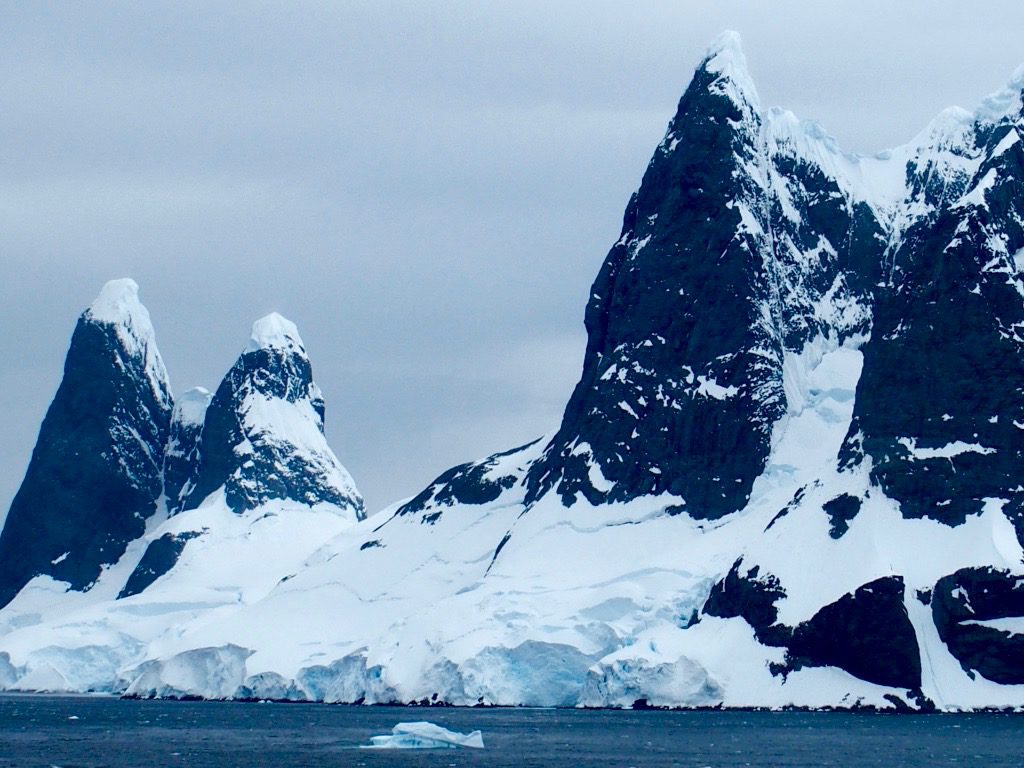
Lemaire Channel has steep cliffs that hem in this iceberg-filled passage, which is only 7 miles long (11km) and only 1,600 meters wide. The surrounding formations also serve to protect the water, so much so, that it appears to be as still and tranquil as a lake.
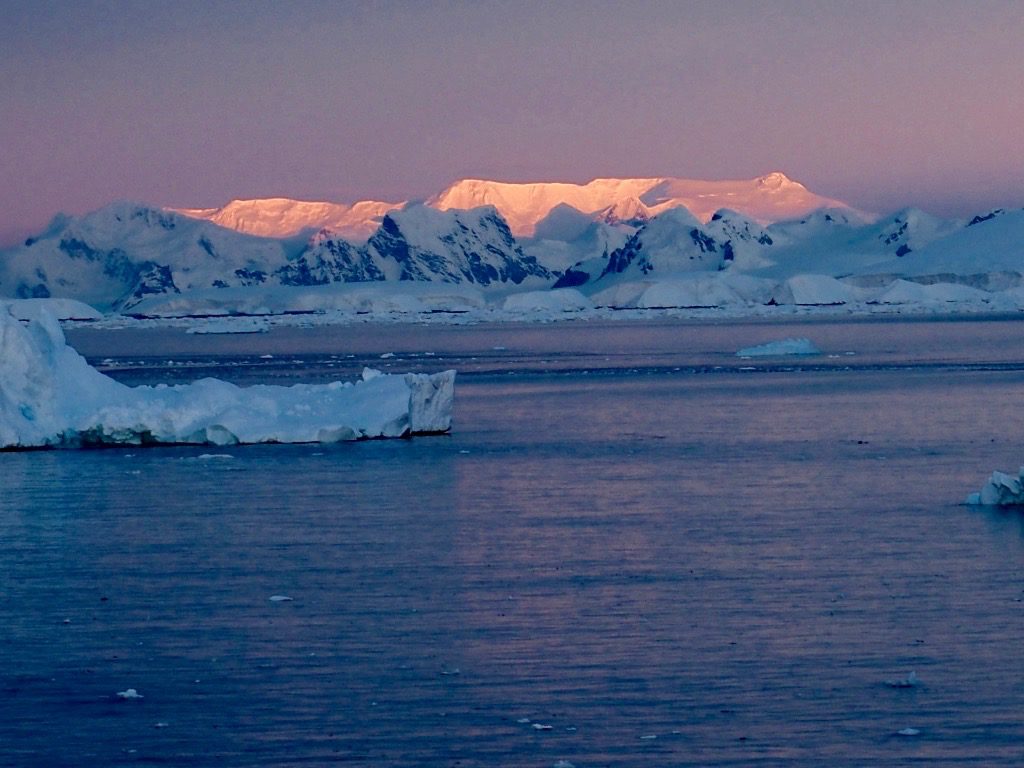
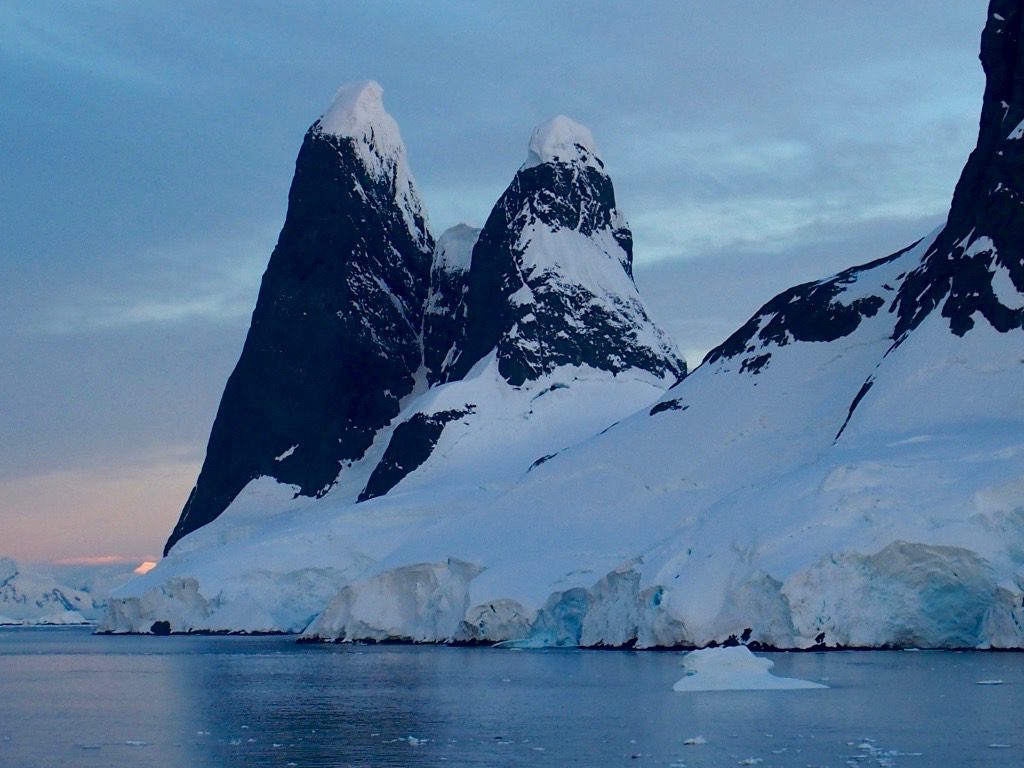
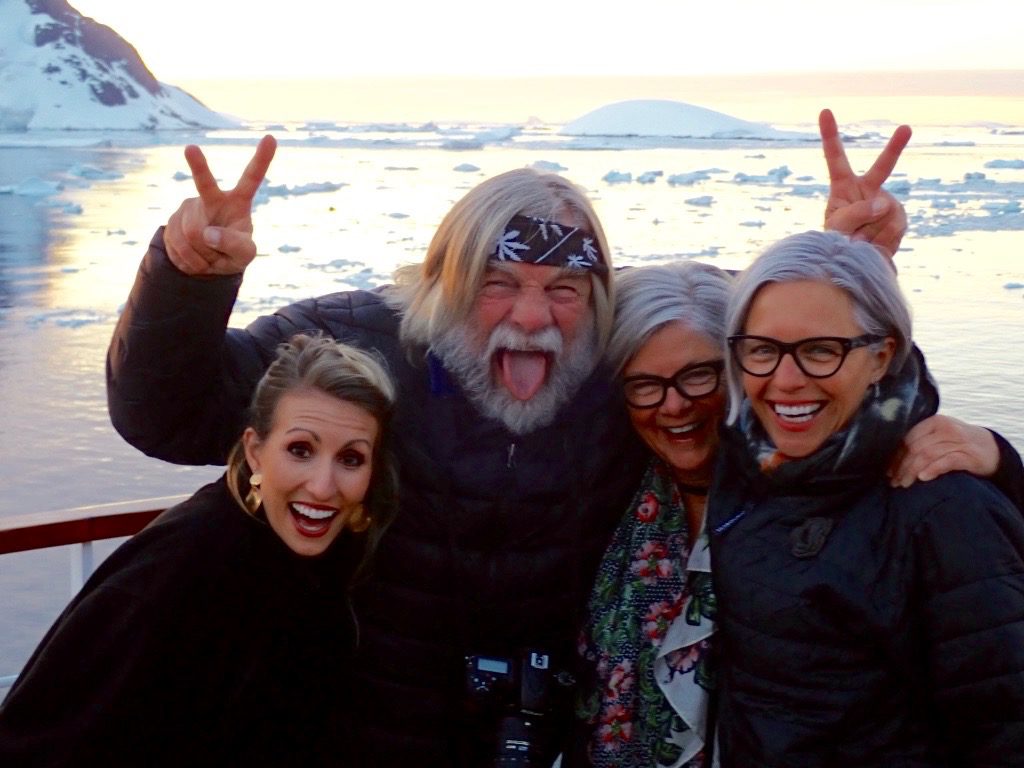
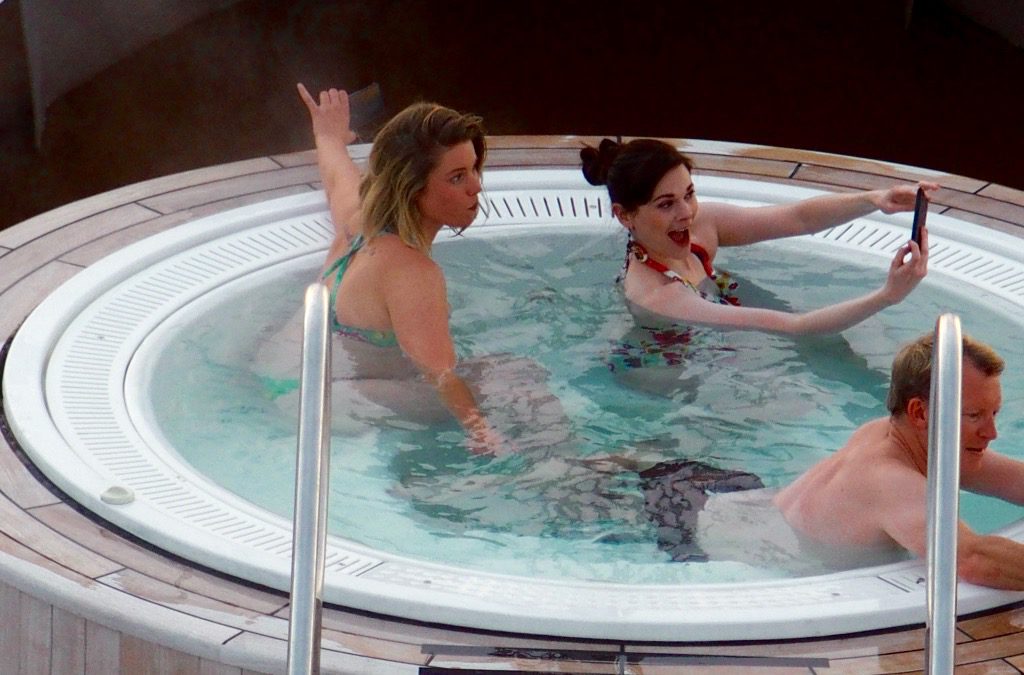
The sunset was like fire and ice. The image falls short of just how amazing this actually was.Surreal lighting at sunset (11:45 PM). Because it is summer here it never gets dark. The sunrise will occur in about 3 or 4 hours time (approximately 3:30 AM).Nearby formations rising almost vertically from the water.The pastel colors were amazing.Crazy spectators taking in the moment. My hippie friend was from Germany. His personality was at least as big as it appears in this image. Hot tub “selfies.” Why bother with capturing images of the incredible sunset, colors, rock formations, and ice forms when you can take “selfies?”
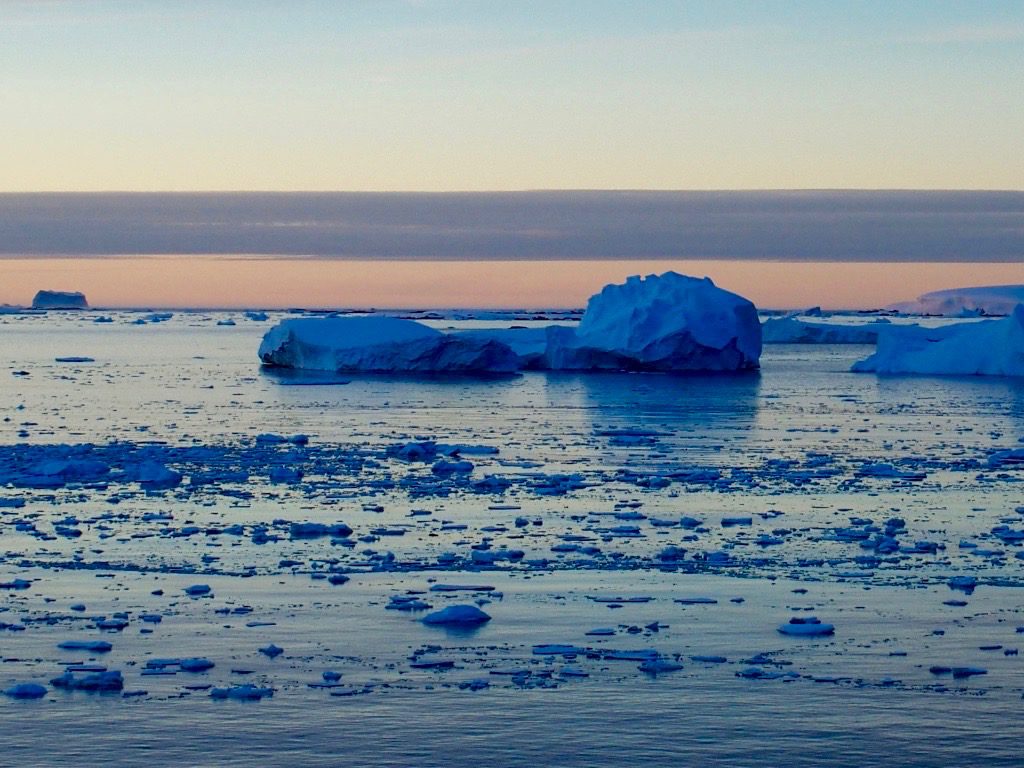
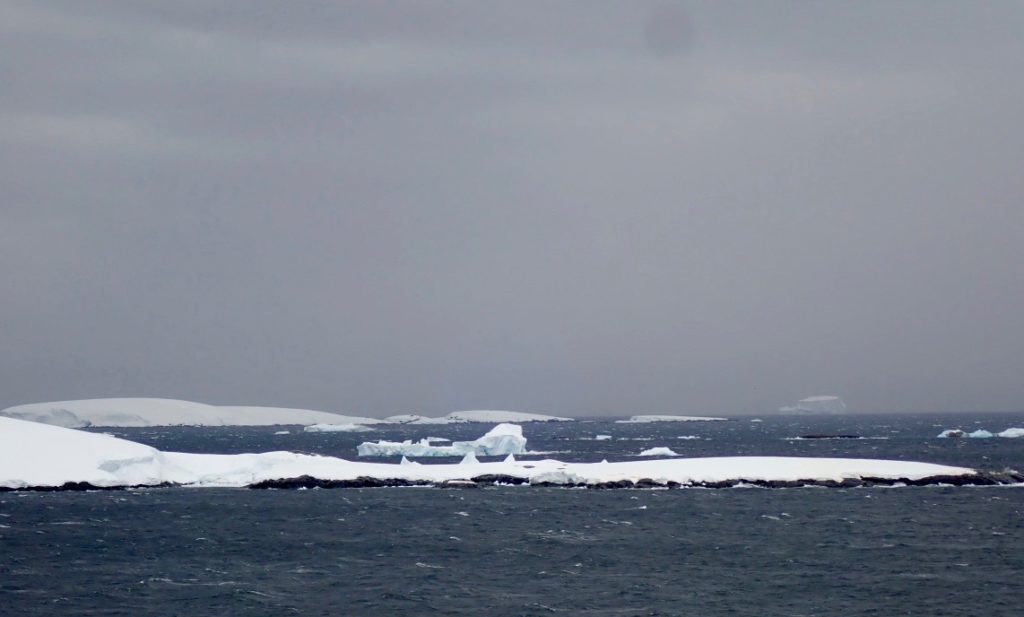
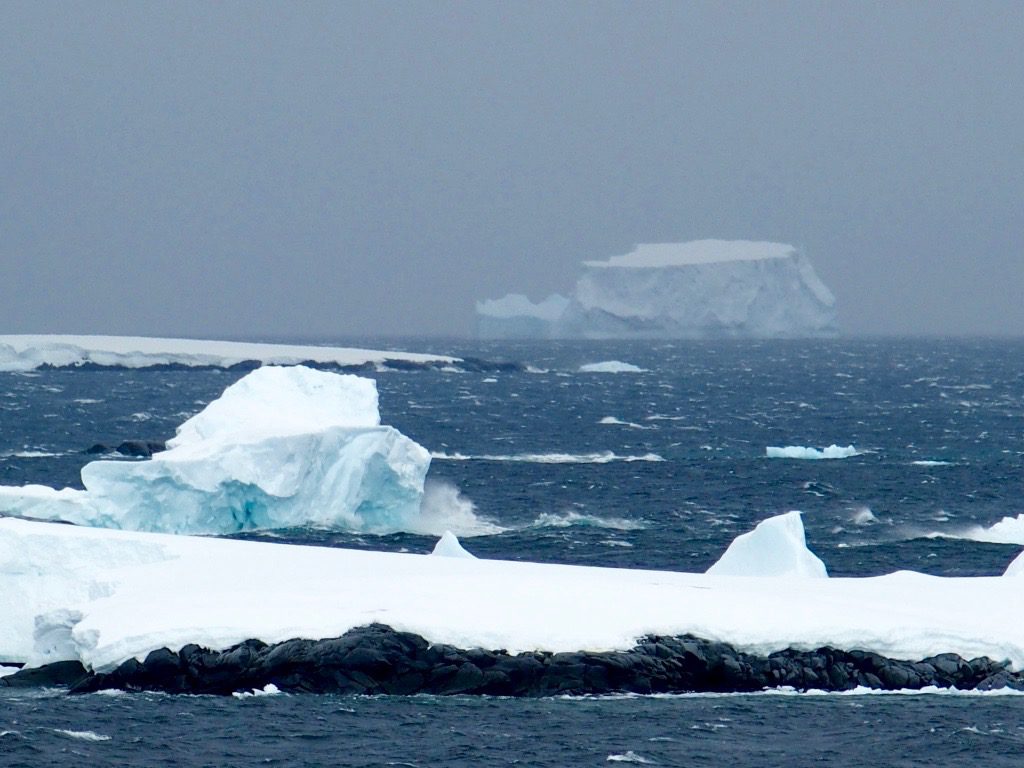
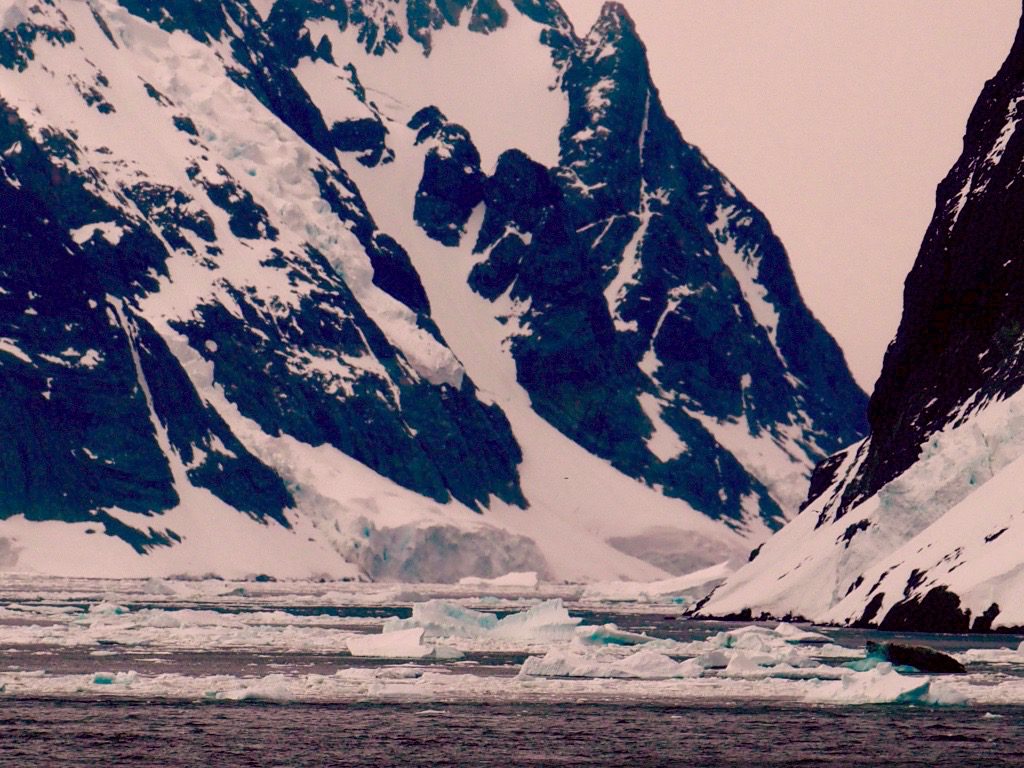
The following day we are on to the Neumayer Channel. These channels were about a one day sail apart from each other and almost as different as could be. No more clear skies, a lot more wind, as well as an uncountable amount of sailing hazards in the form of rock outcroppings, underwater rock spires, and icebergs.
Hazards along the way. The Quest’s captain is required to be an “ice-master” before sailing to either the Arctic or the Antarctic. The qualification as an “ice-master” has absolutely nothing to do with the doomed 1913 voyage of the Karluk, which sank in the Arctic Ocean and taking with it more than half its crew.More treacherous seas and a sizable iceberg looming in the background. That berg is more than enough to severely cripple or sink any ship colliding or grazing it. Notice the Russian expedition ship in the foreground. Upon closer inspection with my binoculars it confirmed my feeling that this could be a tough way to travel to this part of the world. It’s probably not a stretch to also believe that the captain of the Russian ship is probably somewhat intoxicated for much of the journey.Almost through the channel at this point. These spires are approximately 300-400 meters (1,000-1,250 feet) rising almost straight up from the water.This is as far as we were able to go as the ice became too abundant. The Captain smartly decided to rotate our vessel 180 degrees and head back the way we entered the channel.
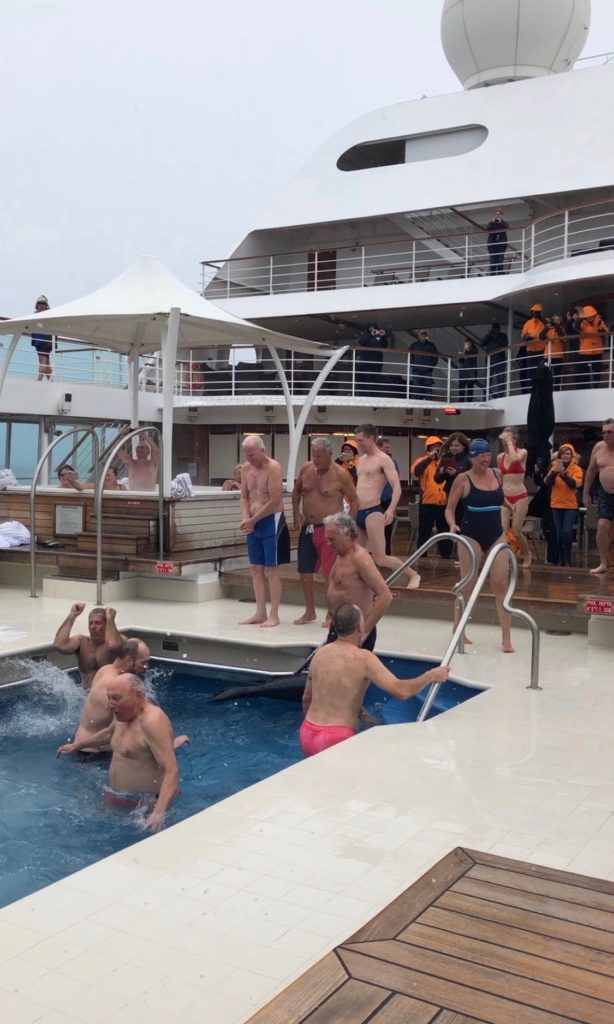
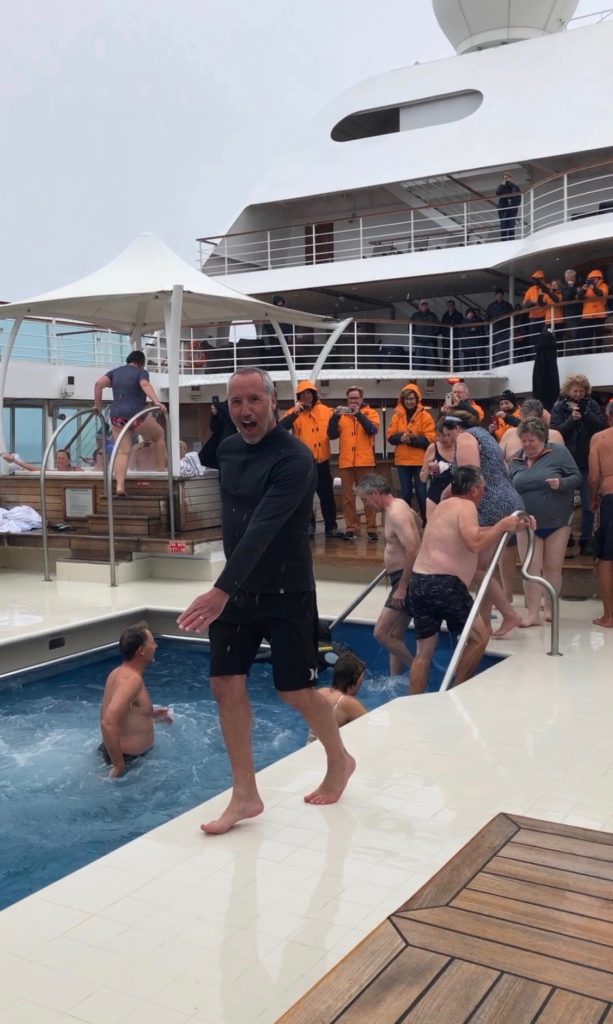
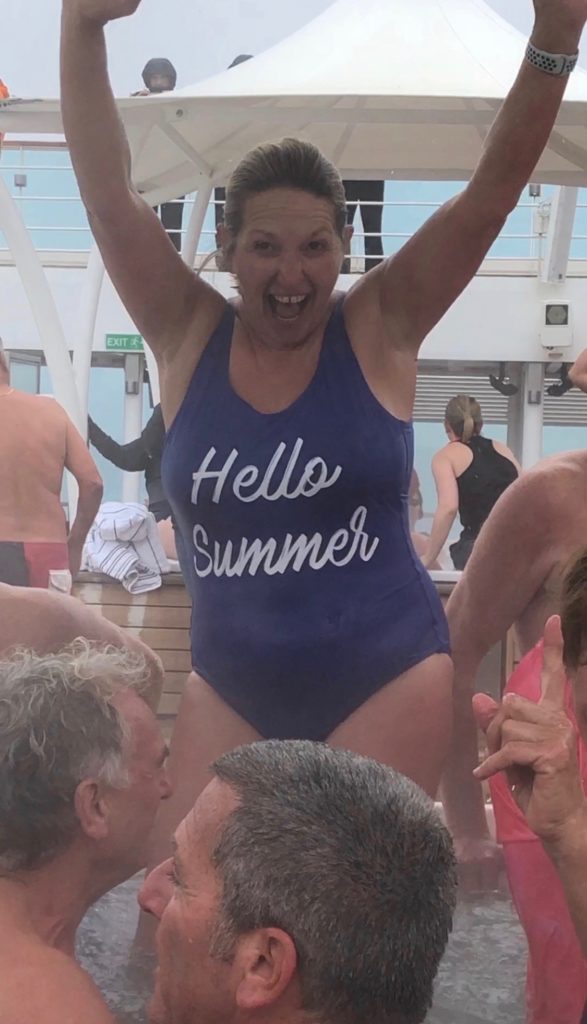
Sea days aboard the Seabourn Quest are truly relaxing. After 15 or so days into this voyage I have grown to relish the days which occur between stops at either ports or landings by zodiac. They are referred to “sea days” because no one leaves the ship. On these days there is no schedule, and yet a plethora of things exist to do. A good many memorable experiences happen on sea days. Some of these activities involve some day drinking (as in alcohol), but none more so than Seabourn’s version of the “polar plunge.” Also a memorable event.
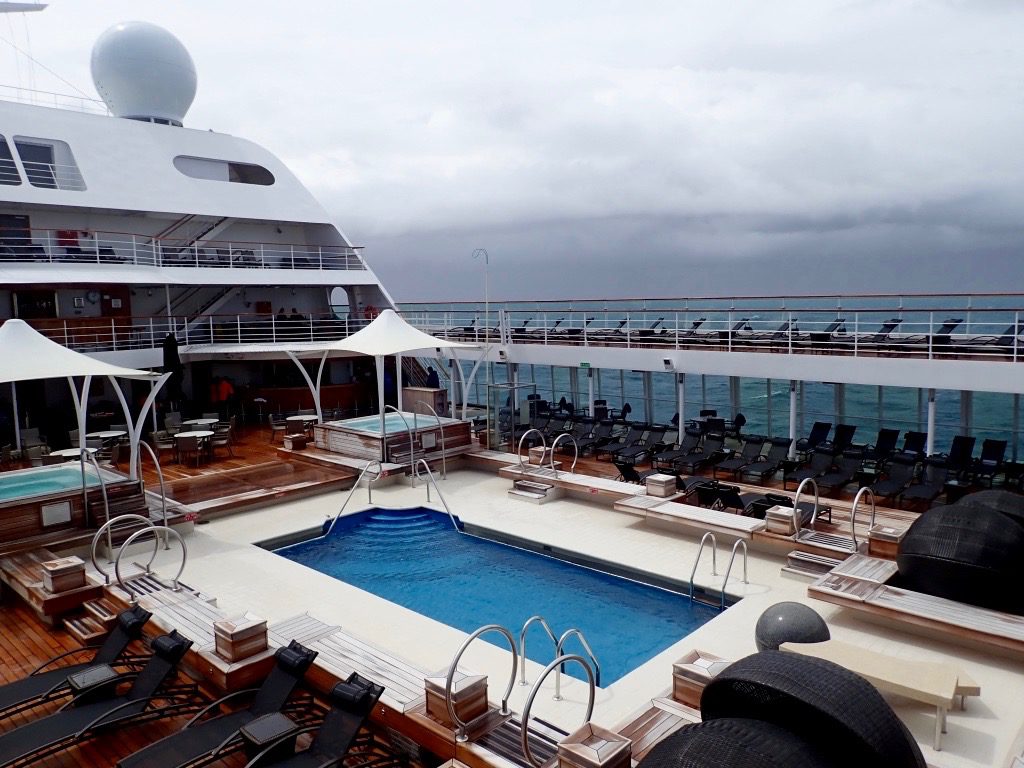
Let me set the stage for this event which is depicted in the images below. First, the pool is drained of the normally warm (86 degree F) water. Second, frigid water is pumped from the sea to fill the pool. In this case it is Antarctic sea water. The water temperature of the freshly filled pool is now 35 degrees F, or 2 degrees C. The skies were cloudy with a light flurry of snow. The air temperature was 30 degrees F, and the drinks were flowing, especially the vodka shots.
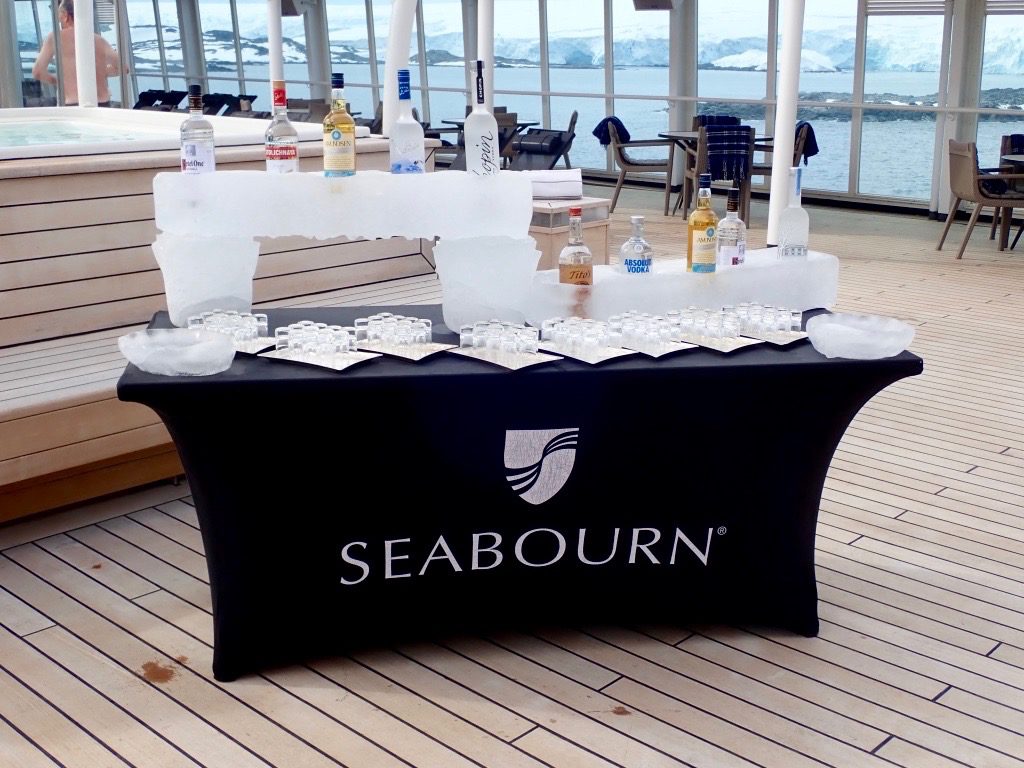
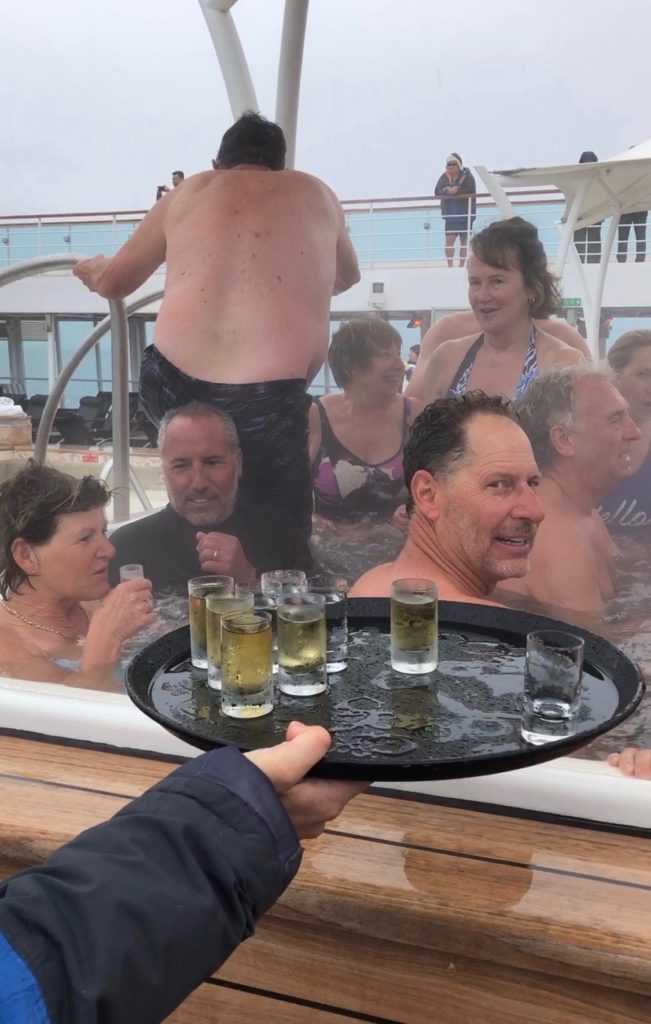
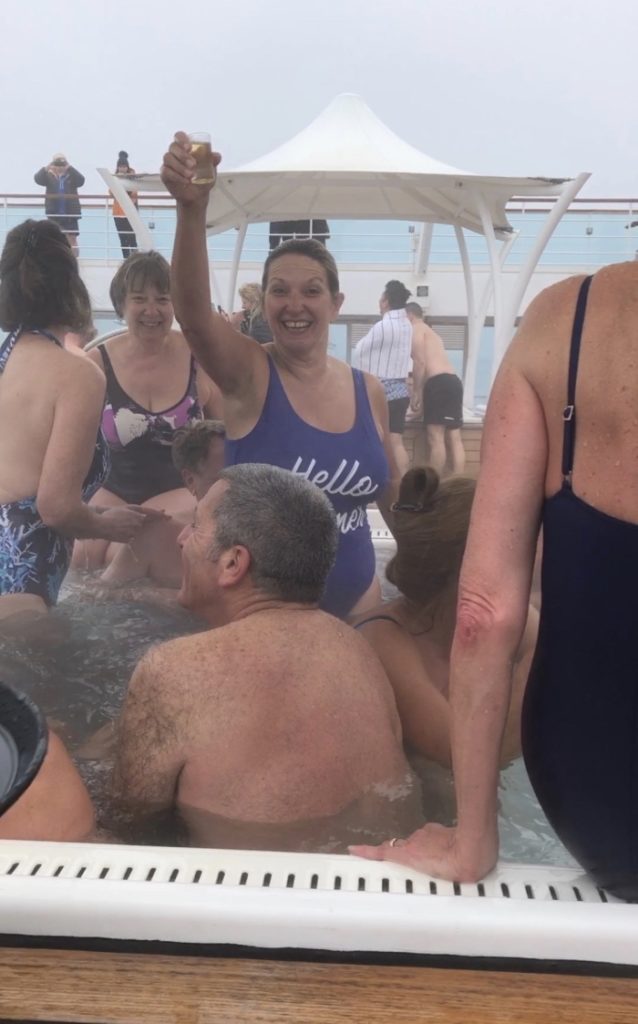
This is the scene prior to the big event. Note the two jacuzzi tubs on the far corners of the pool. These play a critical part of the polar plunge and after party. I believe that there would be far fewer participants if these were not available upon one’s exit from the frigid water in the pool.One of the bar set ups on the pool deck. This one featuring many varieties of ice cold vodkas. The bottles are sitting in ice structures specially formed for this purpose. These Seabourn guys sure know how to throw a party.Like lemmings to the frigid water so are some of my fellow shipmates. Many spectators are viewing and photographing from the Sky Bar on the above deck.Here I am making my first of three plunges. Jumping into the deep-end and fully submerged I didn’t feel the cold for 3 or 4 seconds. Then it gripped me like a vice with teeth. My main motivation for participating in the plunge was that I always wanted to know what Kate and Leo felt like on that ill-fated night in April 1912. Shots delivered to the jacuzzi, just in case you weren’t buzzed from the ice cold plunge. I overheard one of the gentlemen proclaim that he thought that due to the frigid water and his resulting shrinkage, that he wouldn’t be able to find his “junk” for an hour or so. Then I looked around for George Constanza.
Shots all around. My British friend apparently wishing cheers to the photographer capturing this image. It seems the shots are now having an effect. She’s fully in the moment, as was everyone else participating in this crazy activity.
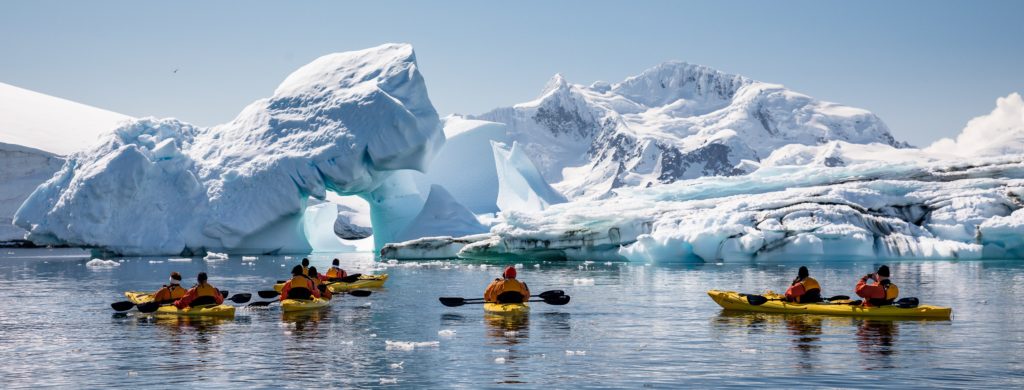
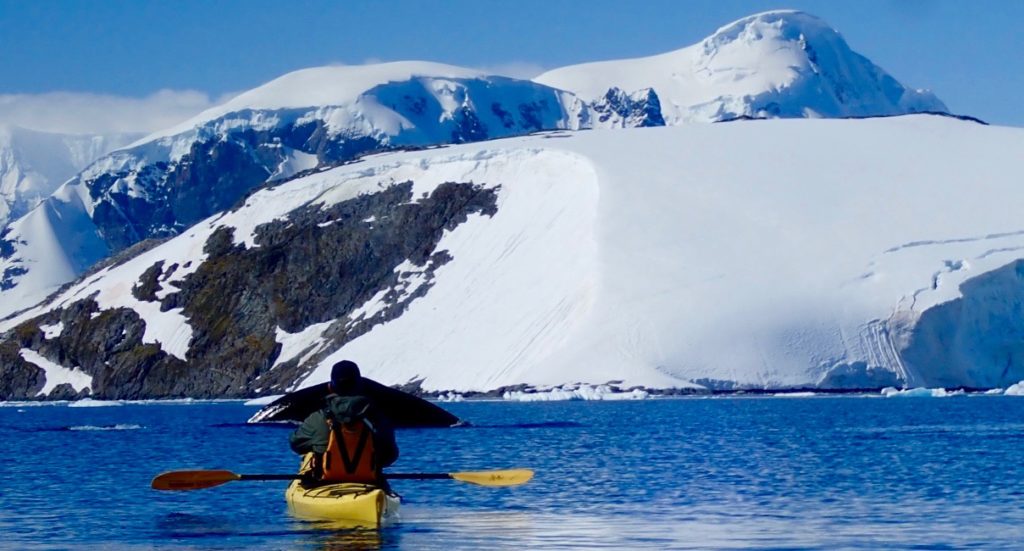
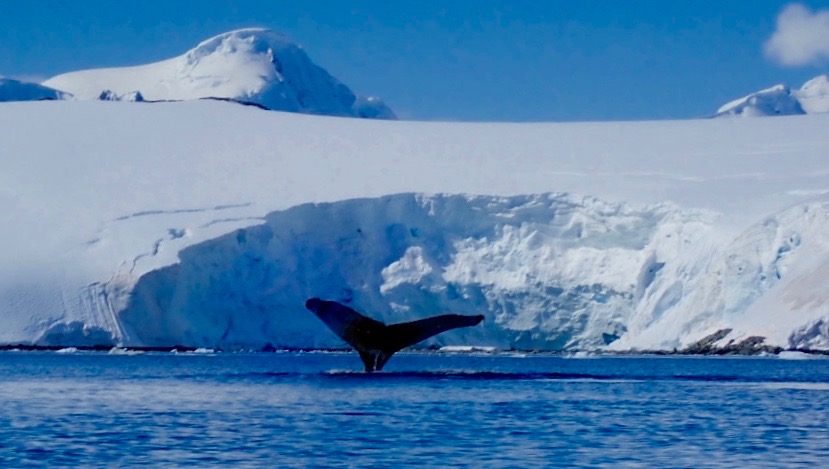
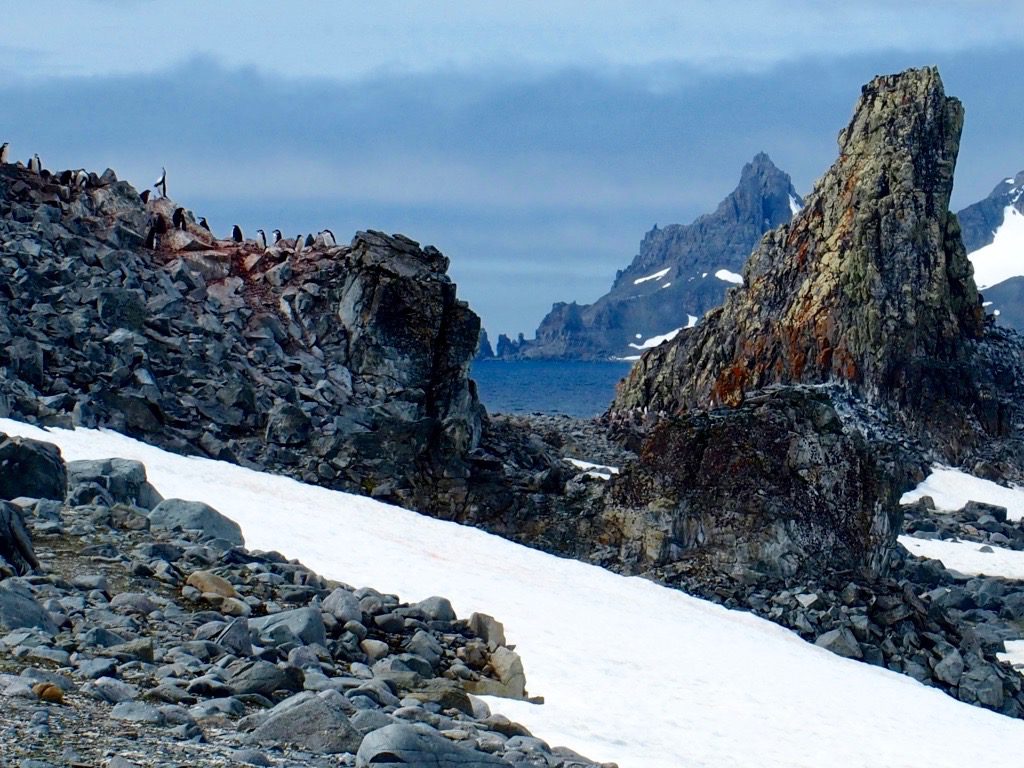
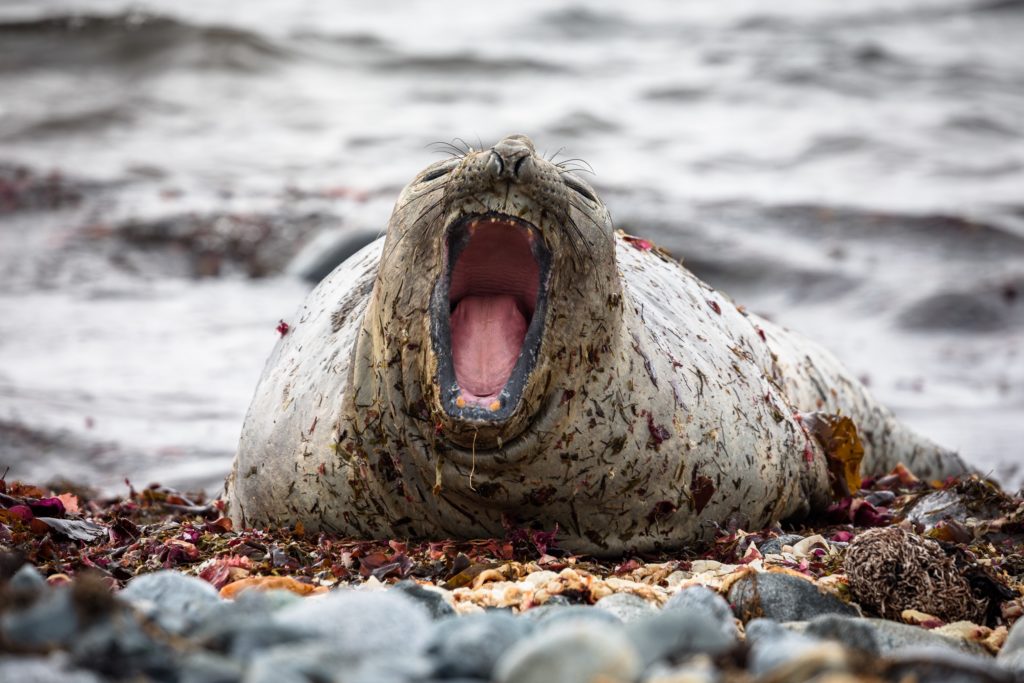
Paradise Bay, also know as Paradise Harbor is a wide embayment behind the Lemaire and Bryde Islands in Antarctica. We were here on a particularly awesome weather day. The skies were almost cloudless, the air temperature a very comfortable 30 degrees F (-1 degree C), and the winds calm. This was just a great day for kayaking, whale watching and a bit of exploring. After taking in some impressive whale watching, we made our way to an island playing host to the chinstrap penguins, as well as elephant seals and other animal life.
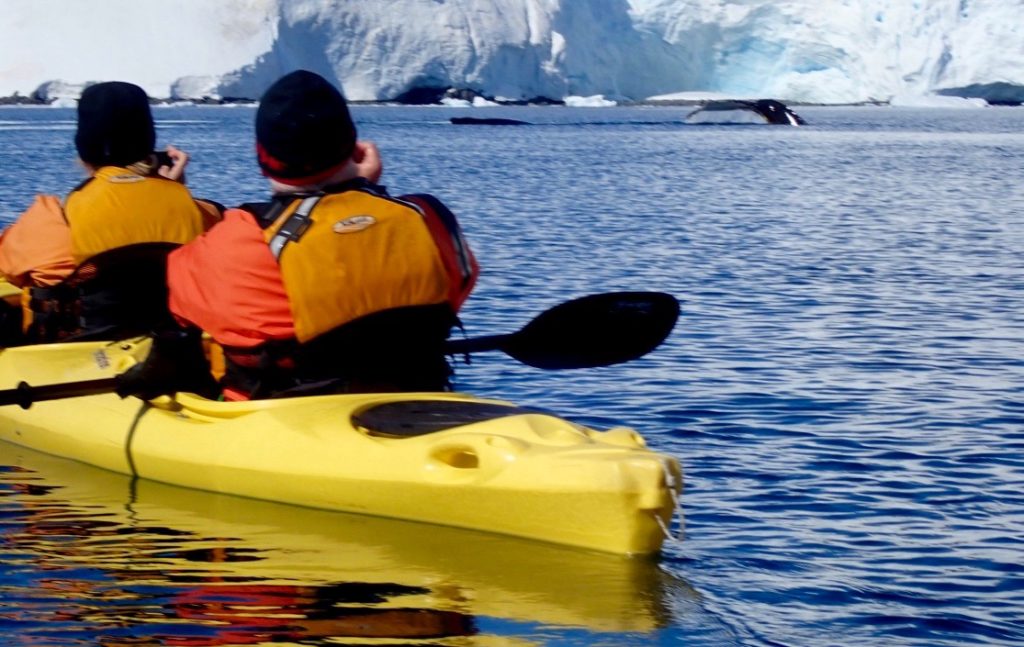
Our group photo was taken by my friend Brian Doyle. Truly an amazing summer day Kayaking in the Antarctic peninsula. So much so that I didn’t need to make use of the neoprene hand sleeves on the kayak’s paddle. Because the wind was virtually nonexistent the water was like glass and mirrored almost all the surrounding land and ice forms.Two hump-back whales are performing a synchronized swimming move just ahead of the kayak. So incredibly graceful are these creatures that the only thing one is able to hear as they pass by is their exhaling, which is quite loud. I am alluding to the whales of course, not the kayakers. Two of my follow “Yakers” photographing the whales in the background. These animals have powerful sonar. If they get close enough to capsize a kayak, it is because they plan to, thus it’s never an accident. However, they are quite docile unless provoked.
This is a demonstration of how the whales wave “bye-bye.” It is the payoff, as well as a view of how these creatures are tracked and charted. The underside of their tail is analogous to a human fingerprint. These whales travel thousands of miles throughout the oceans and are tracked and recorded in this way.
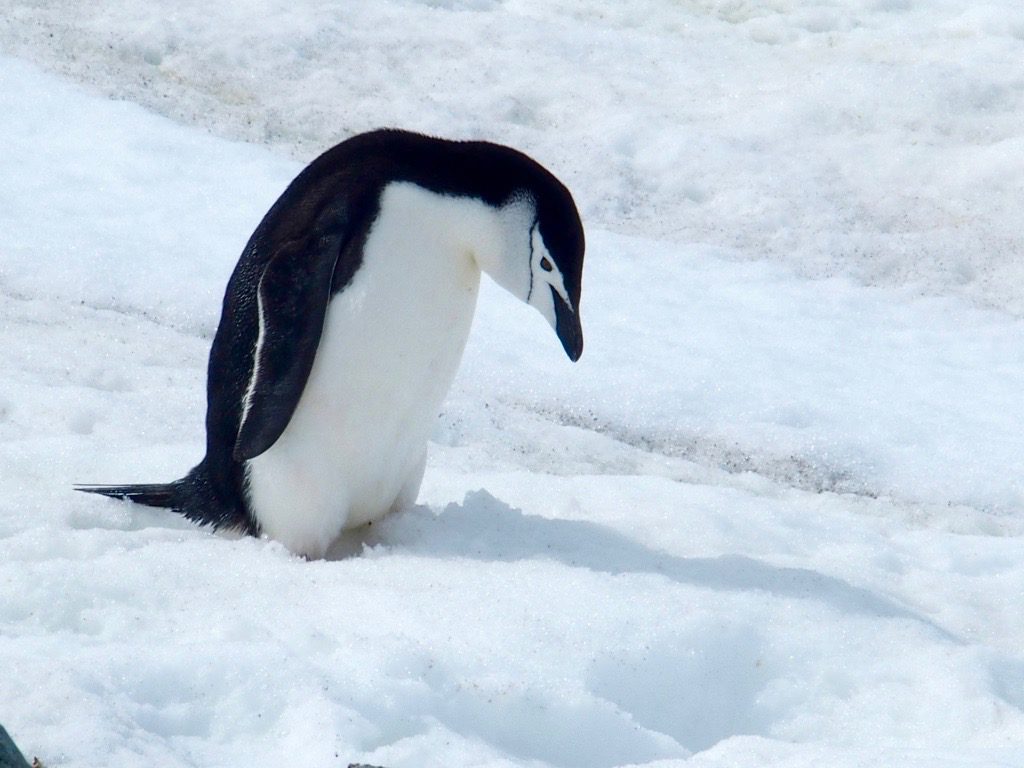
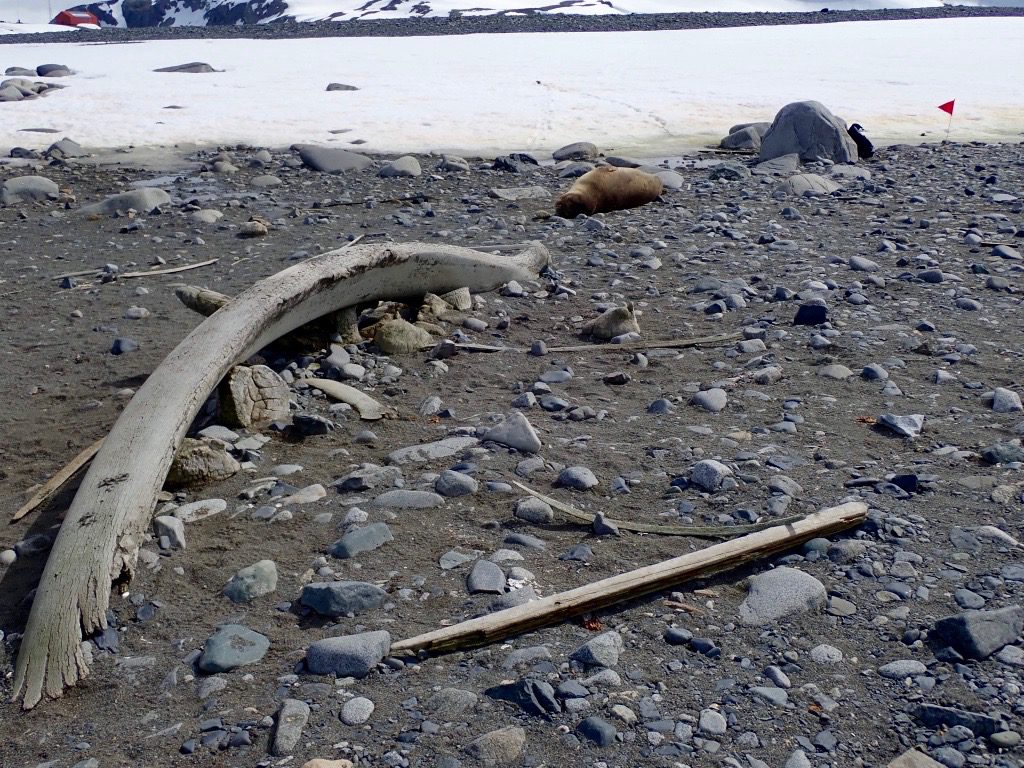
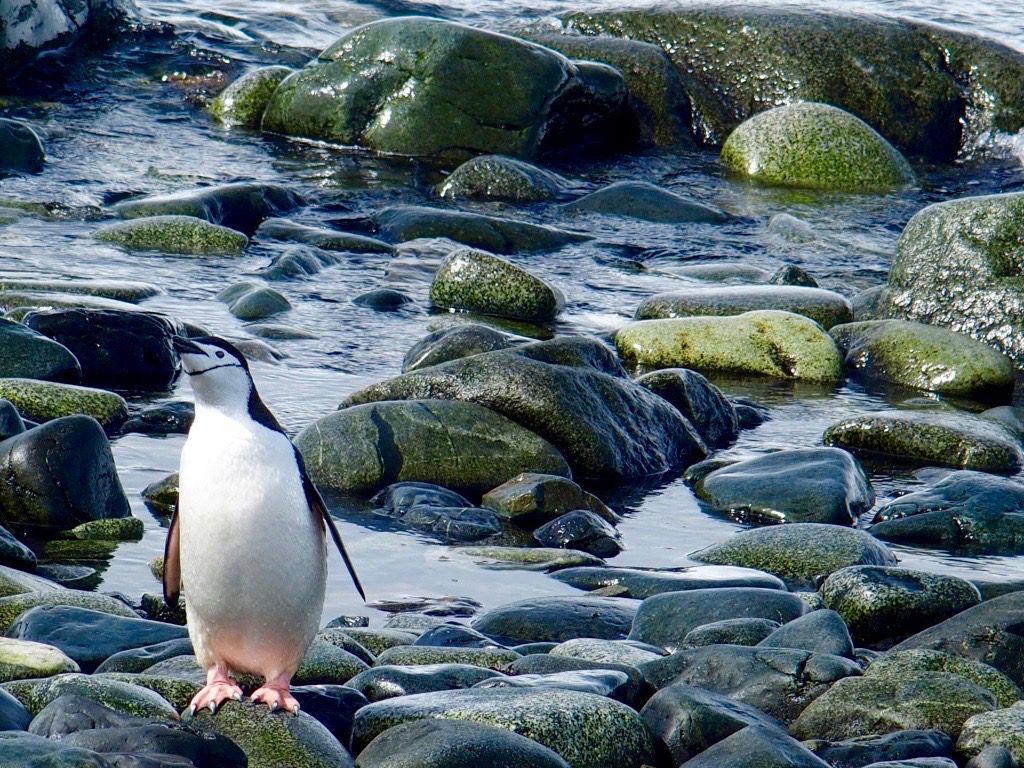
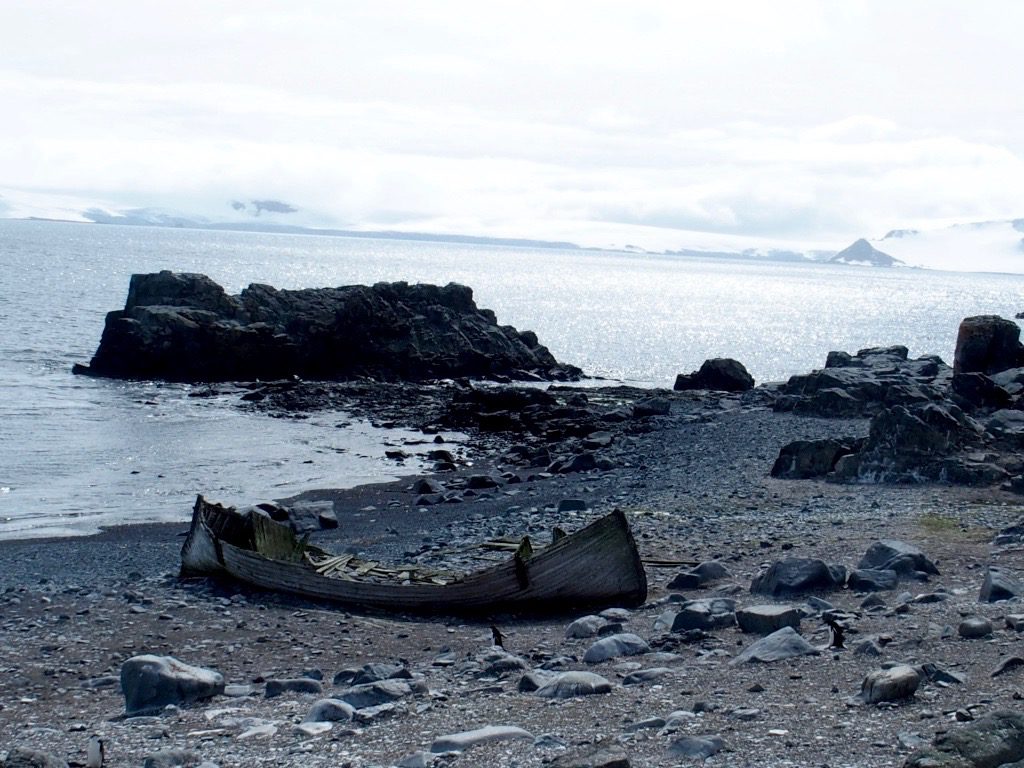
After about an hour or so kayaking we arrived here. This tiny island plays home to 3,000 breeding pairs of Chinstrap penguins, as well as some elephant seals. The sharp craggy rock cliffs were quite stunning. Note all the chinstraps at the top left of the image.Why the long face? This chinstrap penguin seems a bit down at the moment I captured the image. Although I would love to claim this as my own, however my new pal Brian Doyle captured this image. Not sure how loud this was, but based upon my experiences that day I can’t believe he was able to get this close. Their diet consists mostly of fish, squid, small sharks and octopus. They have also been known to enjoy a small penguin or two from time to time. This elephant seal is dwarfed by the whale rib in the foreground.Pictured above is another chinstrap penguin. This penguin seamed much happier than his cousin above on the snow. Note the algae on the rocks. In addition to its very important function and role in the eco-system here, it lends a beautiful contrast of color to this image.This water boat from the whaling days around the turn of the century (1900) is slowly decaying in the summer sun. Because of the severe cold here, the process of decomposition takes a bit longer. Again I am reminded of an industry that nearly made extinct the whale population in this part of the world.
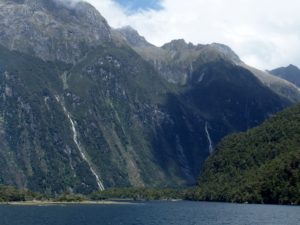
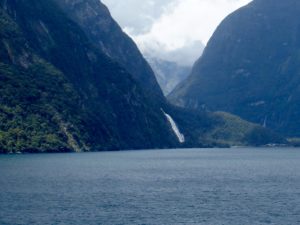
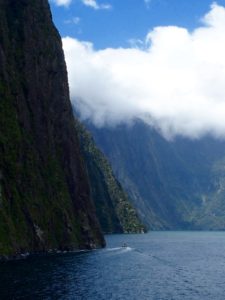
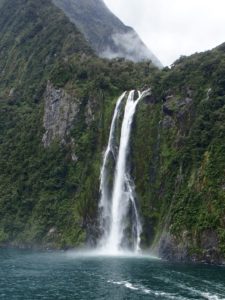
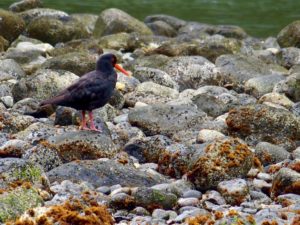
Milford Sound is a fiord in the south west of New Zealand’s South Island within Fiordland National Park. It is a World Heritage site. This area receives over 250 inches of rain annually. Waterfalls abound this entire area and there is much wildlife.
View from my vessel.
Waterfalls
Another image of the plunging coastline.
Another waterfall.
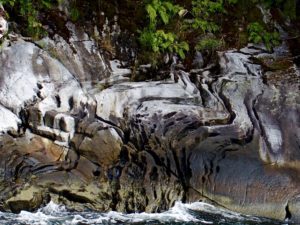
Interesting rock formations.
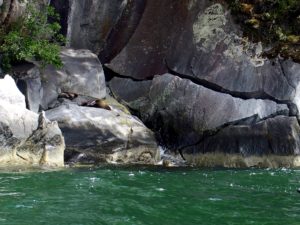
Seals just taking in the sun.
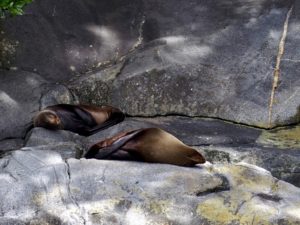
Close up of these seals as photographed from my zodiac.